
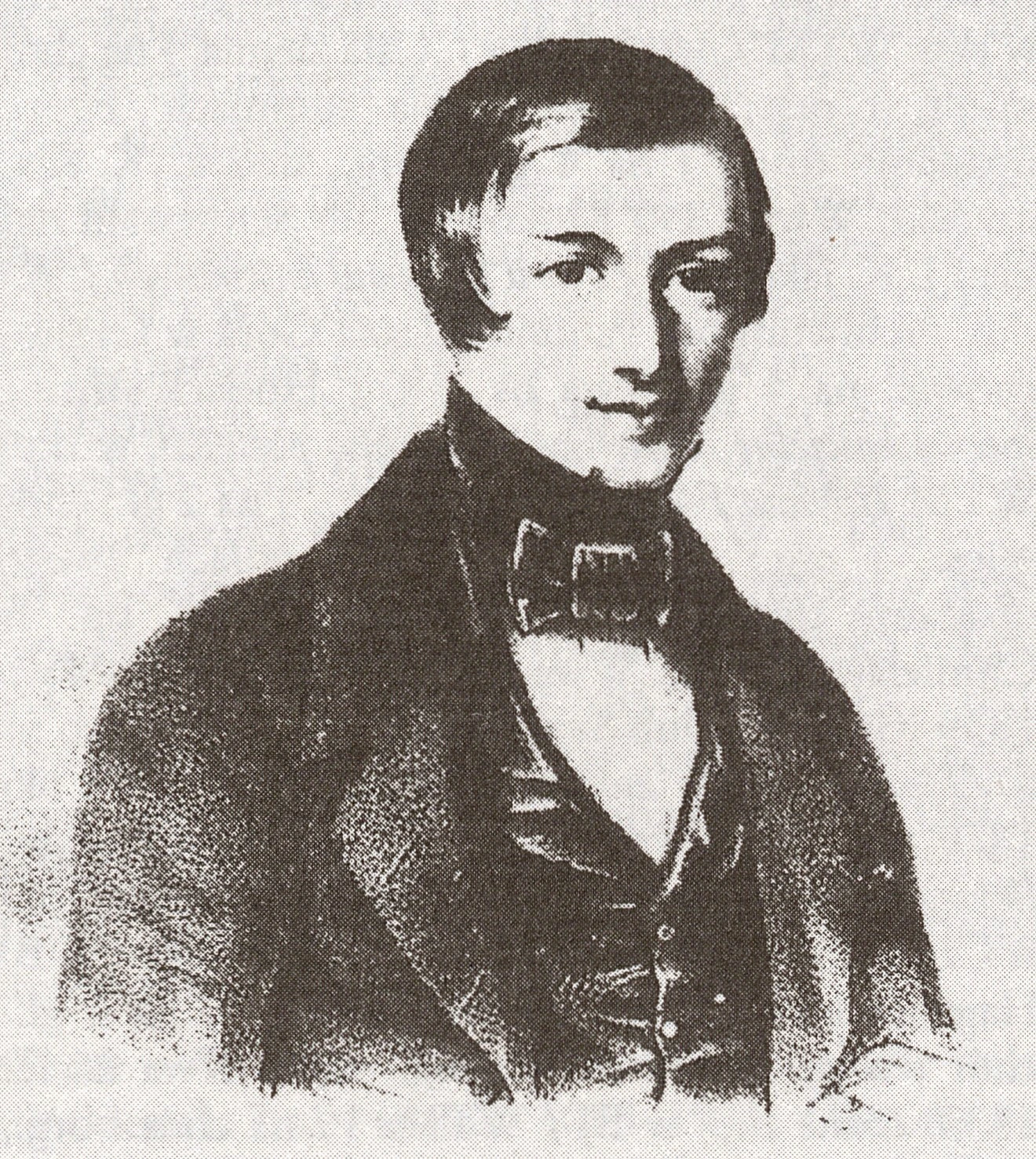
Krogulski, Michał

Krogulski Józef Władysław, *4 X 1815 Tarnów, †9 I 1842 Warszawa, polski pianista, kompozytor, dyrygent chórów, nauczyciel, syn Michała Krogulskiego, kompozytora i nauczyciela gry fortepianowej. Od ok. 1829 uczył się kompozycji u K. Kurpińskiego i J. Elsnera w Szkole Głównej Muzyki w Warszawie; pozostał prywatnym uczniem Elsnera również po zawieszeniu działalności uczelni i upadku powstania listopadowego. Po raz pierwszy wystąpił publicznie 16 III 1825 w Tarnowie, wykonując Koncert a-moll Hummla. Gdy wraz z ojcem przybył w V 1825 do Warszawy, cieszył się już rozgłosem obiecującego pianisty. W stolicy dał 6 koncertów w ciągu 2 miesięcy: 19 VI i 20 VII w sali konserwatorium, a 26 VII, 6, 13 i 20 VIII w sali Teatru Narodowego, potwierdzając swoje wyjątkowe zdolności wirtuozowskie. Koncertem w Kaliszu 10 IX 1825 Krogulski rozpoczął u boku ojca wielomiesięczną podróż koncertową: najpierw wystąpił w Poznaniu (m.in. 3 X w sali resursy, 4 X u ks. A. Radziwiłła, a 10 i 17 X w sali teatru), następnie we Wrocławiu, gdzie dał 5 koncertów (m.in. 9 XI w sali koncertowej uniwersytetu i 12 XI w sali redutowej Hotelu Polskiego) i skąd udał się do Berlina, po drodze dwukrotnie grając w Legnicy, a także w Głogowie. W Berlinie wystąpił 12 I 1826 w sali traktierni Jagora. Przed 7 III koncertował w Dreźnie (m.in. w prywatnej rezydencji królowej Augusty i u książąt saskich w Moritzburgu), a także w Lipsku. Późną wiosną 1826 rozpoczął podróż powrotną, niemal tą samą trasą. We Wrocławiu ciężko zachorował; prawdopodobnie z tej przyczyny nie odbył się koncert zaplanowany na 8 VI 1826. Po wyjeździe z Wrocławia grał w czasie „koncertów świętojańskich” w Poznaniu (28 VI, 3 i 5 VII) i w Kaliszu (25 VII). W VIII 1826 powrócił do Warszawy. Kilkumiesięczny pobyt w Niemczech ugruntował sławę „cudownego dziecka”, a jednocześnie wpłynął na pogłębienie wrażliwości muzycznej młodego pianisty i zdopingował go do dalszej pracy nad techniką gry. Świadczył o tym poziom jego 3 koncertów w Teatrze Narodowym w Warszawie, które odbyły się 19 VIII oraz 26 i 30 IX 1826. Od 8 X 1826 J. Krogulski znajdował się znowu w podróży. Po koncertach w Lublinie (17 i 20 X w teatrze), koncercie w Puławach u książąt Czartoryskich i w Zamościu, wystąpił w teatrze we Lwowie (25 XI, 2 XII). I 1827 spędził w Kijowie, gdzie grał 23 I na własnym koncercie i 25 I jako współuczestnik koncertu dobroczynnego, w którym wzięli udział m.in. młodsi i rywalizujący z J. Krogulskim pianiści A. Pawłowska i F. Łopatta. W lecie 1827 powtórnie ciężko zachorował. W XII tego roku wystąpił na dobroczynnym koncercie w Tarnowie, zaś 15, 20 i 29 III 1828 w teatrze w Krakowie. Po 3 koncertach w Radomiu w V 1828 powrócił do Warszawy, od 4 VI zamieszkał tu na stałe. Odtąd wyjeżdżał i koncertował rzadziej. Prezentacja fortepianu A. Leszczyńskiego na wystawie przemysłowej w warszawskim ratuszu w VI 1828 była prawdopodobnie ostatnim publicznym występem J. Krogulskiego w tym roku. W tym czasie podjął naukę kompozycji u K. Kurpińskiego, co anonsowały warszawskie dzienniki w sprawozdaniach z występu J. Krogulskiego w Teatrze Narodowym 24 III 1829. Na koncercie tym wykonał po raz pierwszy własną Sonatę fortepianową z towarzyszeniem kwartetu smyczkowego. 3 V 1829 koncertował w Płocku w sali resursy, a następnie dopiero 15 XII 1830 w Teatrze Narodowym w Warszawie jako wykonawca swojego I Koncertu fortepianowego, przeznaczając dochód z koncertu na cele patriotyczne.
Powstanie listopadowe i śmierć matki spowodowały kolejną dłuższą przerwę w koncertach. Z końcem 1831 J. Krogulski zaczął uczyć gry na fortepianie i tym zajmował się do końca życia, skupił się także na pracy z kościelnymi zespołami chóralnymi i coraz bardziej poświęcał się twórczości kompozytorskiej, ograniczając koncertowanie niemal wyłącznie do Warszawy, także z powodu pogarszającego się zdrowia. Po raz pierwszy po upadku powstania wystąpił publicznie 13 IV 1832 w Teatrze Narodowym, wykonując z orkiestrą pod dyrekcją J. Stefaniego swój II Koncert fortepianowy. 16 IV 1834 wykonał na koncercie w resursie kupieckiej partię fortepianową swego Oktetu op. 6, w 2. połowie roku grał utwory Hummla i Moschelesa (fortepianowe i kameralne), a także wraz z J. Szablińskim wykonywał swoją Fantazję; w 1835 odbyły się w resursie kupieckiej wykonania kolejnych utworów J. Krogulskiego z jego udziałem: 11 II — Kwartetu fortepianowego op. 2, 8 IV — kantaty Karawana w pustyniach Arabistanu, 15 VII — kantaty napisanej na imieniny H. Łubieńskiego, dyrektora resursy; 3 VI J. Krogulski grał tam partię fortepianową w Triu Chopina, jak oceniono w prasie warszawskiej: „z dokładnością i precyzją, jakiej sam autor mógłby żądać”. Ostatni odnotowany koncert J. Krogulskiego w Warszawie miał miejsce 6 XI 1835 w Teatrze Wielkim, wykonano wówczas jego oba koncerty fortepianowe i Wariacje F-dur pod dyrekcją Kurpińskiego.
Od 1834 karierę pianistyczną łączył J. Krogulski z działalnością pedagogiczno-dyrygencką w zorganizowanym przez siebie chórze wychowanek Instytutu Dobroczynności przy kościele św. Kazimierza na Rynku Nowego Miasta. Utworzył wraz z ojcem amatorski chór mieszany w kościele Trynitarzy na Solcu i wkrótce postawił go na wzorowym poziomie artystycznym. Z obydwoma chórami występował gościnnie również w innych kościołach, a także w małych ośrodkach poza Warszawą.
W latach 1836–38 J. Krogulski organizował cotygodniowe koncerty. W X 1837 przebywał w Krakowie. Pracował tam nad kolejnymi kompozycjami; wraz z W. Studzińskim dał koncert 12 X w sali hotelu M. Knotza. 29 X wrócił do Warszawy. Od VI 1836 związany był stale z kościołem Pijarów (pojezuickim) przy ul. św. Jana. Przeniósł tam z kościoła Trynitarzy kilkudziesięcioosobowy chór amatorski, wspierając go, zależnie od potrzeb, głosami zawodowych śpiewaków (m.in. W. Troszel, J.N. Szczurowski, I. Komorowski). Dla zespołu tego występującego w resursie kupieckiej i w różnych kościołach napisał J. Krogulski większość utworów chóralnych; wykonywał także w każdą niedzielę nowe i nieznane w Warszawie dzieła religijne i świeckie innych kompozytorów: J. Elsnera, K. Kurpińskiego, A. Stefaniego, J. Haydna (fragment Stworzenia świata), E. Méhula, L. Cherubiniego, A.G. Onslowa, M. Krogulskiego i in. Po śmierci kompozytora część pijarskiego chóru przybrała imię J. Krogulskiego i propagowała jego muzykę. W 1839 Krogulski wydał 2 msze G.G. Gorczyckiego (Missa paschalis i Introitus Rorate), które ukazały się w zeszycie 2. Śpiewów kościelnych J. Cichockiego w 1839 w Warszawie. 17 I 1838 kompozytor poślubił u Pijarów Ludwikę Gargulską, córkę pedagoga. W IV 1841 w tymże kościele w trakcie prób swego Miserere kompozytor zaziębił się i w wyniku zaostrzenia się gruźlicy po kilkumiesięcznej chorobie zmarł. Pochowano go na cmentarzu Powązkowskim w Warszawie.
Nazywany „polskim Mozartem”, „młodym Lisztem”, „cudownym”, „celującym” pianistą, obdarzony absolutnym słuchem Krogulski był niewątpliwie samorodnym talentem pianistycznym, entuzjastycznie przyjmowanym i ocenianym. Autorzy kilkudziesięciu recenzji opublikowanych w prasie polskiej i niemieckiej następująco określili cechy jego gry: łatwość i precyzja techniczna, nadzwyczajna sprawność lewej ręki, idealne wyczucie rytmu, umiejętność cieniowań dynamicznych, „niepospolita siła w grze”, zdolność improwizacji, doskonała pamięć muzyczna i łatwość w czytaniu nut a vista, w czym porównywano go z K. Lipińskim i czym zachwycał, np. w berlińskim wykonaniu nieznanej J. Krogulskiemu wcześniej Sonaty wiolonczelowej Beethovena („Allgemeine Musikalische Zeitung” 1825 nr 46); jednak Chopin z rezerwą odniósł się do jego pianistyki. J. Krogulski preferował fortepiany z angielską mechaniką, zwłaszcza A. Leszczyńskiego, zapewne z powodu ich nośnego, śpiewnego dźwięku.
Krogulski miał szeroki repertuar, podążając śladami ojca, wykonywał dzieła J. Elsnera, F. Kurpińskiego, A. Stefaniego, E.N. Méhula, L. Cherubiniego, G. Onslowa, J.N. Hummla, G. Spontiniego, F. Halévy’ego. Do stałego repertuaru J. Krogulskiego należały koncerty fortepianowe: a-moll J.N. Hummla, d-moll F. Kalkbrennera, cis-moll F. Riesa, g-moll i E-dur J. Moschelesa. Wykonywał też polonezy Lessla i Kurpińskiego, utwory Haydna (w Niemczech) i modne wariacje, np. dedykowane mu przez Kurpińskiego Potpourri czyli Wariacje z różnych tematów narodowych. Ok. 20. roku życia zawiesił karierę pianisty. Przyczyn tej decyzji szukać należy niewątpliwie w trudnych warunkach życiowych artysty: niedomaganiach zdrowotnych, konieczności zarobkowania, braku systematycznej nauki gry na fortepianie. Wybuch powstania listopadowego i wywołana nim stagnacja przerwały zapewne jego artystyczne plany. Twórczość instrumentalna J. Krogulskiego nie budziła zbyt wielkiego podziwu krytyków i publiczności. Przestawienie się na działalność dyrygencko-organizacyjną na polu chóralistyki (prawdopodobnie za namową Elsnera) i skupienie się na komponowaniu dzieł kościelnych przyniosły mu wkrótce więcej satysfakcji i bardziej realne źródło utrzymania, a ich wykonania wzbogaciły obraz kultury muzycznej Warszawy.
J. Krogulski interesował się różnymi gatunkami muzycznymi, komponował z łatwością, ale jego język muzyczny nie wyróżniał się na tle ówczesnej twórczości. Posiadał intuicję i dość dobrze opanował rzemiosło kompozytorskie, zwłaszcza w technice chóralnej, zachowywał stylistyczne formuły klasyków, m.in. Elsnera i Lessla, w pewnym stopniu także Beethovena i Chopina. W utworach fortepianowych, zwłaszcza rozbudowanych (koncerty, Fantazja i wariacje op. 8), eksponował czynnik wirtuozowski bliski stylowi brillant, realizowany głównie przez zagęszczenie faktury, wzmożoną motorykę i zmienność temp, przy stosowaniu konwencjonalnych środków harmoniczno-ornamentalnych i monotonii figur rytmicznych, często marszowych. Melodię konstruował niemal wyłącznie diatonicznie, z zamiłowaniem wprowadzał cytaty, zwłaszcza z muzyki ludowej. Naśladował też figuracje chopinowskie, nie tylko w utworach fortepianowych (Potpourri d-moll, niektóre mazurki i polonezy), ale także w kompozycjach organowych (graduał „Universi…”). J. Krogulski preferował modne i korespondujące z własną praktyką pianistyczną wariacje koncertowe, zwłaszcza na tematy polskich tańców, oraz potpourris, w których cytował popularne melodie (np. „Już miesiąc zeszedł” w Potpourri nr 2, Poloneza Kościuszki w Potpourri nr 3, Mazura Dwernickiego, Grzmią pod Stoczkiem, Mazurka Dąbrowskiego w Batalii, stanowiącej ilustrację bitew powstania listopadowego), nie łączył wszakże poszczególnych części w spójną całość. Jego fortepianowe miniatury taneczne (mazurki i polonezy), a także okazjonalnie tworzone pieśni solowe swoim lirycznym wyrazem zaznaczają tendencje romantyczne w twórczości J. Krogulskiego.
Na uwagę zasługują świeckie i religijne dzieła chóralne J. Krogulskiego dzięki zastosowanym, wprawdzie nieśmiało, środkom polifonicznym (krótkoodcinkowe imitacje kanoniczne i fugata w partiach chóralnych, np. IV Msza) i koncertującym (kolęda i kantata „z echem”), dobrym proporcjom partii solowych i chóralnych, a także inwencji melodycznej (kantata W imię Ojca…, VII Msza, X Msza „Pasterska”) z melizmatyką w głosach solowych. Zasługą J. Krogulskiego jest rozszerzenie repertuaru polskich religijnych pieśni wielogłosowych XIX w. Kontynuując tradycje zapoczątkowane przez Kurpińskiego i Elsnera, tworzył kantaty i msze do polskich tekstów. Ukoronowaniem jego twórczości religijnej jest oratorium pasyjne. Utwory religijne J. Krogulskiego (zwłaszcza oratoryjne Miserere, msze III, IX, X) utrzymywały się w repertuarze kościelnym do końca XIX w., natomiast całkowitemu zapomnieniu uległy, wkrótce po śmierci kompozytora, jego utwory fortepianowe; tylko tańce i marsze tematycznie związane z powstaniem listopadowym powracały na estradę z okazji narodowych rocznic.
J. Krogulski cieszył się u współczesnych szacunkiem i popularnością. Liczni kompozytorzy dedykowali mu swoje utwory. Ale w prasowych wypowiedziach wyczuwa się niekiedy pewien odcień żalu czy rozczarowania z powodu nienadążania kompozytora za nowymi prądami w sztuce muzycznej XIX w.
Literatura: „Allgemeine Theaterzeitung” 27 XII 1825 nr 155 i 27 II 1827 nr 25; „Allgemeine Musikalische Zeitung” nr 15 z 12 IV 1826; J.K. Jaślikowski Krytyczny rozbiór gry Józefa Krogulskiego, „Rozmaitości Warszawskie” nr 11 z 18 III 1829, Uwagi nad koncertem, który Józef Krogulski dał w teatrze narodowym dnia 24 III 1829, „Gazeta Polska” nr 89 z 2 IV 1829; Uwagi nad ostatnim koncertem Józefa Krogulskiego, „Dziennik Powszechny” nr 110 z 23 IV 1832 (recenzja II Koncertu fortepianowego); Uwagi nad Mszą kompozycji Józefa Krogulskiego, „Gazeta Codzienna” nr 585 z 30 VIII 1833 (recenzja IV Mszy); „Kurier Warszawski” nr 96 z 9 IV 1835; „Pamiętnik Muzyczny Warszawski” 1835 nr 1–2, 1836 nr 3–6; J.M. Wiślicki Krogulski jako kompozytor religijny, „Pielgrzym” 1842 t. 4, przedr. Warszawa 1843 oraz Wspomnienie Józefa Krogulskiego, artysty i kompozytora, „Gazeta Codzienna” nr 13 z 14 I 1842; Chór Pijarski, „Gazeta Codzienna” nr 133 z 22 V 1860; W. Hordyński Józef Władysław Krogulski. Życiorys i twórczość fortepianowa, maszynopis UJ 1939.
Kompozycje
Instrumentalne:
orkiestrowe (rkp. BJ):
I Koncert fortepianowy E-dur 1830, wyk. Warszawa 15 XII 1830, fortepian J. Krogulski
Potpourri d-moll [nr 3] na fortepian i orkiestrę, 1830
Uwertura d-moll ok. 1831
II Koncert fortepianowy h-moll 1831, wyk. Warszawa 13 IV 1832, fortepian J. Krogulski
Wariacje F-dur na fortepian i orkiestrę, 1835, wyk. Warszawa 6 XI 1835, fortepian J. Krogulski
Rondo alla polacca Es-dur na fortepian i orkiestrę, ok. 1835
Rondo E-dur na fortepian i orkiestrę, ok. 1835
kameralne:
Oktet d-moll op. 6 na fortepian, flet, klarnet, 2 skrzypiec, altówkę, wiolonczelę i kontrabas, dedyk. H. Łubieński, wyk. Warszawa 16 IV 1834, fortepian J. Krogulski, rkp. BJ
I Sonata Es-dur na fortepian i kwartet smyczkowy, 1828/29, dedyk. K. Kurpiński, wyk. Warszawa 24 III 1829, fortepian J. Krogulski, skrzypce A. Orłowski, rkp. BJ
Kwartet D-dur op. 2 na fortepian, skrzypce, altówkę i wiolonczelę, dedyk. J. Elsner, wyk. Warszawa 11 II 1835, wyd. Lipsk 1839 Hofmeister
Quartette G-dur na 2 skrzypiec, altówkę i wiolonczelę, rkp. BJ
Fantazja na fortepian i wiolonczelę, ok. 1834, wyk. Warszawa koniec 1834, fortepian J. Krogulski, wiolonczela J. Szabliński
fortepianowe:
Mazurek D-dur i Anglez C-dur, ok. 1823, wyd. Poznań 1825 Simon
Mazur D-dur, Anglez Es-dur i Galopada A-dur, ok. 1827, wyd. Warszawa 1828 Magnus
Polonez E-dur ok. 1828, dedyk. A. Radomińska, Warszawa 1828 Magnus
Polonaise militaire ok. 1828, dedyk. Général Lieutenant de Gendre, Warszawa 1829 Magnus, także Lwów 1829 Niemierowski
fantazja i wariacje La bella cracovienna g-moll op. 1, ok. 1829, dedyk. A. Radomińska, Lipsk 1837 Hofmeister
Nowa Galopada, Warszawa 1829 Magnus
II Sonata a-moll op. 3, ok. 1830, dedyk. M. Krogulski, rkp. BJ;
2 potpourris sur des airs polonais (rkp. BJ) — g-moll op. 4 zw. Wielką fantazją z tematów oryginalnych, dedyk. M. i Z. Jahołkowskie, oraz F-dur op. 5 zw. Fantazją z tematów ludowych, dedyk. Z. Betlej, przed 1 IX 1830
Polonez D-dur ok. 1830, dedyk. T. z Lubomirskich Jabłonowska, Warszawa 1830 Klukowski
2 marsze D-dur z 1830/31 — I Narodowy, dedyk. Gwardii Honorowej, Warszawa 1830/31 Brzezina, II, dedyk. A. Brzeżański, Warszawa 1831 Klukowski
Polonez D-dur ok. 1831, dedyk. M. i Z. Jahołkowskie, Warszawa 1832 litogr. J. Kośmiński
Mazur D-dur, dedyk. M. Lasocka, wyd. Warszawa 1832 litogr. J. Kośmiński, także „Pamiętnik Muzyczny Warszawski” 1835 nr 1
Galop salomoński czyli Poczta 6-cio konna A-dur ok. 1835, dwa wyd. Warszawa 1836, litogr. Pietrzykowski i Marszycki
Mazourka à la Chopin e-moll, dedyk. F. Filipecki, wyd. Warszawa 1836 Sennewald
Mazur („genannt Landmann”) w Polnische Tanze…, oprac. O. Kolberg, Lipsk 1882 B&H
Mazur a-moll, rkp. BJ
na 2 fortepiany:
Batalia F-dur na 6 rąk, 1831, rkp. BJ
Fantaisie et variations Es-dur op. 8, ok. 1835, rkp. BJ i WTM
Wokalne i wokalno-instrumentalne:
wokalne a cappella:
Kto w tem życiu chrześcijanie B-dur, na SA, rkp., BJ
Oddajmy chwałę Panu G-dur na 2T lub 2S i B, rkp. BJ
pieśń „Rzuciwszy stanu mozoły” Es-dur na chór męski lub mieszany, sł. J.M. Wiślicki, 1837, rkp. 1 głosu WTM
Hymn żałobny („De terra formasti eam…”) f-moll na chór m., 1840, rkp. WTM
Hymn błagalny do Matki Boga op. 16, na chór męski, Warszawa po 1871 Unger i Banarski
„Raz tylko już Chrystusa noga…” na chór mieszany, rkp. BJ
na głos i fortepian:
Śpiewka pożegnania publiczności warszawskiej („Nadeszła chwila rozstania…”) F-dur, 1825, wyk. Warszawa 20 VIII 1825, rkp. BJ
Z jakąż słodką dziś rozkoszą F-dur ok. 1825, dedyk. matce J. Krogulskiego, rkp. BJ
Mazur wojenny G-dur, sł. M.G. Godlewski, 1831, Warszawa 1831 Klukowski
ballada Alina G-dur („Ponad rzeczułką kręta drożyna…”), sł. J.M. Wiślicki oraz Tęskność g-moll („Jam ją swą ręką sadziła…”), sł. F. Karpiński, „Światowid” 1835 t. 1
Mazur Pojednanie G-dur ok. 1834, sł. J.M. Wiślicki, „Światowid” 1836 t. 1
Poranek, dedyk. A. Hermann, Warszawa 1837 Sennewald
Śpiew ofiarowany E-dur („Gdybym się zmienił we wstęgę złocistą…”), sł. A. Mickiewicz, dedyk. A. Narzymska, Warszawa 1840 litogr. H. Hirszel, «Flora. Wybór śpiewów z towarzyszeniem fortepianu» nr 7
Cztery słowa Es-dur („O luba, niechaj twa pamięć dochowa…”), sł. J.K. M., rkp. BJ
Ziemio wszech tworów G-dur, rkp. WTM
Ave Maria Es-dur, rkp. BJ
kantaty:
Kantata D-dur, alla polacca, dedyk. M. Krogulski, wyk. Warszawa 30 IX 1834, rkp. BJ
Karawana w pustyniach Arabistanu d-moll, 1835, sł. J.M. Wiślicki, dedyk. J. Cichocki, wyk. Warszawa 8 IV 1835, rkp. BJ
Kantata dla uczczenia imienin dyrektora Resursy Kupieckiej w Warszawie H. Łubieńskiego, 1835, wyk. Warszawa 15 VII 1835
Kantata D-dur na dzień 29 września 1835, sł. J.M. Wiślicki, dedyk. M. Krogulski, rkp. BJ
Kantata C-dur, sł. J.K. Jaślikowski, dedyk. J. Elsner, 1836, wyk. 19 III 1836 Warszawa, rkp. BJ
Kantata „z echem” na święto Trzech Króli, wyk. Warszawa 61 1837
Kantata D-dur na dzień 19 marca, dedyk. J. Elsner, wyk. Warszawa 19 III 1837 w domu Elsnera, rkp. BJ
Kantata c-moll na Zmartwychwstanie Pańskie, 1837, sł. F.K. Kurowski, wyk. Warszawa 1837, rkp. BJ
Kantata na uroczyste zaślubiny T. Gargulskiej z J. Suskim, 1839, wyk. Warszawa 4 IV 1839
Kantata B-dur na cześć św. Józefa Kalasantego, ok. 1839, wyk. Warszawa 1840, fragm. rkp. BJ i kantaty B-dur na cześć św. Wincentego à Paulo, fragm. zach. w BJ prawdopodobnie oznaczają ten sam utwór
O narodzeniu Najświętszej Panny, ok. 1841, wyk. Warszawa 2 II 1841
11 mszy:
I Msza F-dur („Z odgłosem wdzięcznych pieni”) na 2 głosy i organy (lub fortepian), dedyk. F.K. Kurowski, Warszawa 1841 Klukowski lub Sennewald nakładem J. Krogulskiego jako nr 2 Zbioru śpiewów kościelnych Józefa Krogulskiego, także Warszawa ok. 1879 w: J. Grabowski Pieśni kościoła rzymsko-katolickiego, rkp. BJ, w rkp. WTM I Msza G-dur („Cała ziemia”) na chór
mieszany i organy
II Msza D-dur („Na stopniach Twego upadamy tronu”) na 4 głosy i organy, dedyk. K. Kłaczyński, Warszawa 1840 Klukowski lub Sennewald nakład J. Krogulskiego jako nr 4 Zbioru śpiewów kościelnych Józefa Krogulskiego, rkp. archiwum oo. Paulinów Jasna Góra w Częstochowie, na 4 głosy Warszawa ok. 1872 Hoesick Msze i śpiewy kościelne celniejszych autorów polskich, w rkp. WTM II Msza F-dur („Z ufnością…”) na 2 głosy, chór mieszany i organy
III Msza C-dur („Na stopniach Twego upadamy tronu”) na chór i organy, dedyk. bp. T. Chmielewski, wyk. Warszawa 21 VIII 1836, wyd. Warszawa 1839 Klukowski lub Sennewald, nakładem J. Krogulskiego, jako nr 6 Zbioru śpiewów kościelnych Józefa Krogulskiego, także Warszawa ok. 1879 w J. Grabowski Pieśni kościoła rzymsko-katolickiego, rkp. BJ, archiwum oo. Paulinów Jasna Góra w Częstochowie, w rkp. WTM III Msza C-dur, sł. B. Hagenmeister („Przed ołtarze Twoje…”), na 2 głosy, chór i organy
IV Msza, na chór i organy, wyk. Warszawa 25 III 1833, różne rkp. w BJ i WTM
VI Msza na chór i organy, wyk. Warszawa 8 IX 1836
VII Msza F-dur na 4 głosy, chór mieszany i organy, wyk. Warszawa 25 IX 1836, rkp. BJ i WTM
VIII Msza f-moll „Żałobna” na 4 głosy, chór i organy, sł. F.K. Kurowski, wyk. 1 XI 1836, fragm. partytury wyd. Warszawa
ok. 1875 Unger i Banarski, rkp. BJ f-moll, rkp. WTM d-moll
IX Msza G-dur, na chór i organy, wyk. Warszawa 14 VIII 1836, rkp. BJ
X Msza „Pasterska” C-dur na 3 głosy, chór mieszany i organy, wyk. Warszawa 25 i 26 XII 1836, rkp. BJ i WTM
hymny:
Duette F-dur na 2 głosy i organy lub fortepian, wyk. Warszawa 21 V 1837, rkp. BJ
Do Boga Rodzicy C-dur na chór i organy, wyk. Warszawa 1 XI 1837, rkp. BJ
W imię Ojca, Syna i Ducha Św. Es-dur na 4 głosy, chór i organy, sł. B. Hagenmeister, drugie wyk. Warszawa 11 II 1838, wyd. Warszawa ok. 1872 Hoesick Msze i śpiewy kościelne celniejszych autorów polskich, rkp. BJ i WTM
Hymn As-dur „Na Dzień Zwiastowania Najświętszej Marii Panny” na 4 głosy, chór i organy (lub fortepian), sł. A. Mickiewicz, 1837, rkp. WTM
graduały:
Graduał G-dur („Samemu Bogu złóżmy cześć”), wyk. Warszawa 9 IV 1837, rkp. archiwum oo. Paulinów Jasna Góra w Częstochowie
Graduał G-dur („Justus ut palma…”), ok. 1838, wyk. Warszawa 20 I 1839, wyd. Warszawa 1839 Klukowski lub Sennewald
nakład J. Krogulskiego jako nr 8 Zbioru śpiewów kościelnych Józefa Krogulskiego, także Warszawa ok. 1872 Hoesick Msze i śpiewy kościelne celniejszych autorów polskich, rkp. archiwum oo. Paulinów Jasna Góra w Częstochowie
Graduał As-dur („Universi…”), wyk. Warszawa 15 VIII 1840, rkp. WTM
***
Niebo 1837
Agnus Dei cis-moll 1837, rkp. BJ
Ave Maria, Warszawa ok. 1872 Hoesick Msze i śpiewy kościelne celniejszych autorów polskich
Kolęda G-dur „z echem”, (oprac. kolędy „Hej, bracia, czy śpicie”), wyk. Warszawa 25 i 26 XII 1836, wyd. Warszawa ok. 1908 GiW, w innym oprac. Poznań ok. 1920 Barwicki, rkp. BJ
Alleluja As-dur, wyk. Warszawa 3 IV 1837, rkp. WTM
Quartett c-moll „nowy”, („Boże wszechmocny…”), wyk. Warszawa 3 IX 1837, rkp. WTM
Litania do Matki Boskiej 1838, wyk. Warszawa 1 XI 1839
Nieszpory E-dur 1836, wyk. Warszawa 1836, rkp. BJ i WTM
Oratorium na Wielki Piątek 1834/35, wyk. Warszawa 17IV 1835
Gloria „nowe”, wyk. Warszawa 15 VIII 1840
Miserere e-moll 1841, wyk. Warszawa 9 IV 1841, wyd. fragm. wyciągu fortepianowego w oprac. T. Frączkiewicza pt. Oratorium, Warszawa 1876, rkp. BJ
Sceniczne:
Oj, żoneczka, opera komiczna, libretto Ch. T. i J.H. Cogniard, wyst. Warszawa 28 X 1833, rkp. BJ
Choracjusz i Kuracjusz, krotochwila, ok. 1835, libretto J.K. Mętlewicz, prawdopodobnie niewykonana
Edycje:
2 mazurki: D-dur „Wieśniak” i e-moll „A la Chopin”, oprac. R. Smendzianka, Kraków 1967, 4. wyd. 1985