
Gradus ad Parnassum na fortepian. Wybór [partytura]

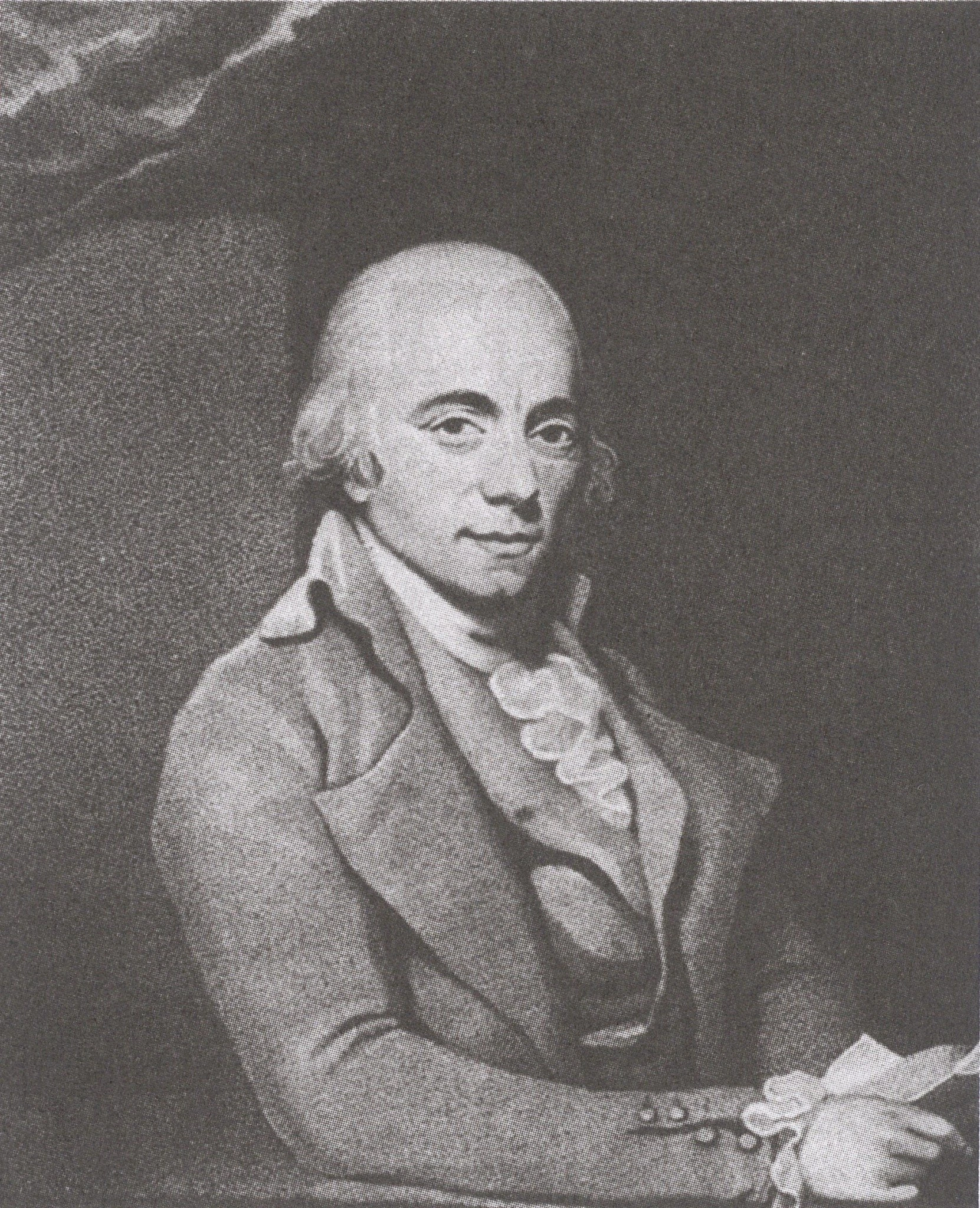
Clementi Muzio, *24 (or 23) January 1752 Rome, †10 March 1832 Evesham (Worcestershire), Italian composer. He studied music with A. Buroni (organ), G. Cordicelli (basso continuo), G. Santarelli (singing) and G. Carpani (counterpoint). At the age of 9, he was already proficient at playing the organ. He began composing at the age of 12, writing, among other works, an oratorio (1764) and a mass (1766), which were performed in Rome. In 1766, he travelled with P. Beckford to England to his estate at Fonthill Abbey, where he studied composition and piano, becoming acquainted with the works of J.S. Bach and his sons, as well as Handel, Corelli, Paradies and D. Scarlatti, whose sonatas – according to later accounts – he performed in an unrivalled manner. In 1773, he settled permanently in London, where he began performing (harpsichord and piano) and teaching. From 1775, he performed publicly, taking part in the Grand Concerts at the King’s Theatre in Haymarket; between 1777 and 1780, he worked at this theatre as a harpsichordist and conductor of Italian opera. He quickly gained a high position in London’s music scene and gradually enriched his compositional output. He went on several concert tours; in 1780 he played at the court of Marie Antoinette in Paris, then travelled via Strasbourg and Munich to Vienna, where on 20 December 1781 he played a piano competition with Mozart before Emperor Joseph II. He played the Toccata in B-flat major, Op. 11 and the Sonata in B-flat major, Op. 24 No. 2. In 1782, he travelled to Lyon (via Zurich?) and returned to London in the same year or early 1783. In 1784, he undertook another trip to France and Switzerland. From the end of 1784 he did not leave England for 18 years. He worked as a soloist, conductor and composer at Hanover Square Great Professional Concerts – in 1786, he performed his Symphonies Op. 16 Nos. 1 and 2 there (published in London in 1787 by Longman and Broderip); he also conducted concerts by J.P. Salomon. After 1786 he gave up public piano recitals and devoted himself to music editing, instrument making and teaching. The Longman & Broderip company, with which Clementi collaborated, became Longman, Clementi & Co in 1799, Clementi & Co in 1805–20, Clementi, Collard, Davis & Collard in 1820/21, and Collard & Collard from 1832. Clementi continued his musical travels as a publisher and teacher, accompanied by his pupils. In 1802, he travelled with J. Field to Paris and Vienna, where he visited Haydn, and then to St Petersburg, where Field settled for a longer period, while Clementi returned to England, stopping in Berlin and Leipzig, where he gave lessons to L. Berger, A. Klengel, K. Zeuner and G. Meyerbeer. He also travelled to Vienna and Leipzig, establishing publishing contacts, including with B & H in 1804 regarding the publication of a collection of his works. In 1806, he returned to St Petersburg with his pupils L. Berger and A. Klengel, and in 1807 he met Beethoven in Vienna and discussed the publication of his quartets Op. 59, Symphony No. 4 and the Coriolan Overture with the composer. After staying in Italy in 1808/09, he returned to Vienna, where he met the pianists D. Ertmann and M. Bigot and taught I. Moscheles and C. Czerny.
He was among the founding members of the Philharmonic Society of London, formed on 24 January 1813. The society was intended to promote performances of instrumental music – symphonic and chamber music – in response to the dominance of vocal and virtuoso concerts. Between 1813 and 1816, Clementi chaired the society and conducted symphony concerts. He also travelled to Paris (1817, 1820), Frankfurt (1817) and Leipzig (1822). He was involved in improving the instruments produced by his company. He published the works of many contemporary composers – Beethoven, F. Ries, F. Kalkbrenner, I. Moscheles (as well as Haydn and Mozart) – and his students – J.B. Cramer, L. Berger and J. Field. In 1823, he began working with H. Bishop, W. Horsley and S. Wesley on the preparation of an encyclopaedia of music, which he published in 1824. That same year, he heard the young Liszt at a concert in London. In 1827, he set off on another trip to Italy and stopped in Baden. That same year, at a gala evening organised by Cramer and Moscheles in his honour, he improvised free fantasies on the piano. In 1828, he conducted a concert of the Royal Philharmonic Society on the harpsichord for the last time. In 1829, he was still present at the music festival in Birmingham. At the end of his life, he moved to Evesham. His first wife (from 1804) was Caroline Lehmann (†1805), his second (from 1811) was Emma Gisborne. He had two sons and two daughters.
Clementi began his career as a pianist and composer around 1770, at a time when the piano was beginning to establish itself in the concert hall. He played an important role in improving the mechanics of English pianos, which differed from Viennese instruments in their greater volume and fuller, more resonant tone. Pianos produced by Clementi’s firm were highly esteemed for their superior repetition and projecting power, and were favoured by many pianists, including Moscheles. Clementi also made important contributions to the development of piano technique. He emphasised primarily finger agility and hand independence, while maintaining a relatively still hand position and slightly curved fingers, as he recommended in his School of Piano Playing. His technique was based primarily on scale and passagework, double thirds, and virtuosic figurations –without complicated leaps or extravagances – and on a noble cantabile style. Mozart denied Clementi artistic taste, calling him merely a “mechanic” and a “charlatan”, whereas Haydn, and especially Beethoven, esteemed him as a performer and composer. In comparison with Haydn and Mozart, Clementi expanded hand spans in figuration and increased the use of double notes and chordal playing. He exploited widely separated registers of the piano, as well as dynamic contrasts and subtle nuances (notably in the Scena patetica from Gradus ad Parnassum), and made full use of the instrument’s rich articulatory possibilities, with a marked preference for legato playing. In his sensitivity to the specific sonority of the piano and to the direction of its textural development, he came close to Beethoven. Clementi also exerted a significant influence on the style of his students – Cramer, Klengel, Berger, Kalkbrenner, Moscheles, and Meyerbeer – whose pianistic development subsequently followed divergent paths.
Alongside Haydn and Mozart, Clementi is one of the main representatives of the classical piano sonata and was called the “patriarch of piano music” (Crotch) for his achievements. Of the three piano sonatas, Op. 2, written around 1770 and published in 1773, the second (in A major) was known as “a favourite Sonata”. Clementi’s work derives from the Italian school of D. Scarlatti, Paradiso and J.Ch. Bach. The three-part sonata form was expanded thanks to inter-thematic links, unconventional transformations and the development of thematic and motivic material. Clementi’s themes, however, were neither very expressive nor original; they retained a schematic form, with the second theme in the sonata allegro often derived from the first theme (following Haydn’s model). The early sonatas were characterised by a simple two-voice texture (with the exception of the Sonata in E-flat major, Op. 14 No. 4), while the later ones saw a development of formal and technical means. Haydn and Beethoven admired the fullness of sound in the slow, highly tense movements of Clementi’s sonatas, e.g. in the Maestoso from the Sonata Op. 7 No. 2, the Largo patetico from the Sonata Op. 9 No. 2 and the Largo e sostenuto from Op. 14 No. 1. Clementi’s sonatas also employed polyphonic techniques, e.g. in Op. 34 No. 3, Op. 40 No. 1, Op. 12 No. 4 (augmentation of the theme in the development of the first movement), Op. 34 No. 2 (canon in the third movement). Clementi made less frequent use of the variation form (second movement of Op. 12 No. 1) and variation technique. The finales were mostly rondo forms with influences from the sonata form. Among the most beautiful and highly regarded sonatas are in: A major Op. 2 No. 2, G minor Op. 7 No. 3, E-flat major, Op. 12 No. 4, F minor, Op. 14 No. 3, F major, Op. 24 No. 2, F-sharp minor, Op. 26 No. 2, A major and F major, Op. 36 Nos. 1 and 2, and G minor, Op. 34 No. 2, described by Berger as a symphony. The Sonata Op. 50 No. 3 (Didone abbandonata) is characterised by developed thematic work. Clementi’s sonatinas, which remain in the pedagogical repertoire to this day, sonatas for four hands, two capriccios in sonata form, and a piano concerto also display noteworthy structural and sonic qualities. Clementi also composed waltzes. Clementi’s most important pedagogical work is Gradus ad Parnassum (a collection of 100 études), which is a compendium of classical piano technique using sophisticated polyphonic devices – such as thema cancrisans, thema contrario motu per augmentationem, two-theme fugues and others – and a study of expressive devices. Generations of European pianists have studied it.
The works of the Viennese classics and Clementi reveal mutual formal and textural influences. Clementi’s influence can be seen in Haydn’s late sonatas and in Beethoven’s violin and piano sonatas, e.g. No. 40, Op. 28, No. 3 on the Pastoral and Op. 34, No. 1 on the Waldstein. The opening motif of Mozart’s overture to The Magic Flute also has its origins in Clementi’s Sonata in B flat major, published in 1783. Beethoven taught his nephew Karl exclusively Clementi’s sonatas for a long time, and in his later works he was inspired by Clementi’s studies of strict polyphonic technique and the wider use of the extreme registers of the piano. Clementi, in turn, borrowed formal and technical solutions from the great classics, especially in his late works; for example, Beethoven’s influence is evident in Sonata Op. 50 No. 3 from 1820. Clementi’s undoubted contribution to the development of the classical style of piano music has not yet been properly appreciated.
Clementi also composed around 20 symphonies (many of which have been lost), which were performed during his lifetime. He conducted them – alongside Haydn’s symphonies – in London before 1785, as well as in later years; in 1824, he performed a symphony with the theme God Save the King, in which he used inversion and a retrograde on the main theme. The Symphony in C major was performed in Leipzig as early as 1801; Clementi’s symphonies were also presented in Paris in 1817–18, in Frankfurt am Main in 1818, in Munich in 1821 and in Leipzig in 1822. Contemporaries ranked Clementi among symphonic composers equal to Beethoven. The two symphonies published by A. Casella (in C major and D major) can be counted among the leading works of classical symphonic literature. The autographs of four symphonies (see list of compositions) are held by the Library of Congress in Washington, D.C.; in addition, autographs of sketches and fragments of symphonies are preserved in the British Museum in London.
In 2006, the Muzio Clementi Society was founded in London by J. Eskenazi at the Royal Academy of Music. Eskenazi is working on a two-volume edition of Clementi’s piano sonatas (Bärenraiter) and is also the editor of the composer’s Complete capriccios for piano (Artharia, in print).
Literature: A. Tyson Thematic Catalogue of the Works of Muzio Clementi, Tutzing 1967; G. Frojo Muzio Clementi, la sua vita, le sue opere e la sua influenza sul progresso del Parte, Milan 1879; M. Unger Muzio Clementis Leben, Langensalza 1914, reprint New York 1971; G.C. Paribeni Muzio Clementi nella vita e nel Parte, Milan 1921; G. de Saint-Foix Muzio Clementi, “The Musical Quarterly” IX, 1923; G. de Saint-Foix Les symphonies de Clementi, “Revue de Musicologie” VIII, 1923/24; A. Stauch Muzio Clementis Klavier-Sonaten im Verältnis zu den Sonaten von Haydn, Mozart und Beethoven, Oberkassel 1930; G. de Saint-Foix Clementi, Forerunner of Beethoven, “The Musical Quarterly” XVII, 1931; R. Giraldi Muzio Clementi, “Rivista Musicale Italiana” XXXIX, 1932; G. de Saint-Foix Haydn and Clementi, “The Musical Quarterly” XVIII, 1932; L. Levi Cenni storico-estetici su Muzio Clementi, Udine 1933; E. di Laura L’estetica nell’arte didattica di Muzio Clementi, Rome 1934; A. Casella Le sinfonie di Muzio Clementi and Ancora sulle sinfonie di Clementi, “Musica d’oggi” 1935, 1938; V. Terenzio Intorno a Muzio Clementi, “La Rassegna Musicale Italiana” XXI, 1951; F. Torrefranca Clementi precursore, in: Rassegna musicale delle Edizioni Curci 1952; R. Allorto Mozart et Clementi, in: congress proceedings Vienna 1956; R. Allorto Le sonate per pianoforte di Muzio Clementi, Florence 1959 (with thematic catalogue); F. Sokołow M. K. i russkaja narodnaja piesnia, Sowietskaja Muzyka” XXV, 1961 No. 1; A. Ringer Clementi and the “Eroica”, “The Musical Quarterly” XLVII, 1961; P. Rattalino Il significato storico del pianismo di Clementi, “Musica d’oggi” 1962; A. Tyson Clementi’s Viennese Compositions 1781–82, “The Music Review” XXVII, 1966; E. Badura-Skoda Clementi’s “Musical Characteristics” opus 19, in: Studies in 18th Century Music, commemorative book for K. Geiringer, London 1970; I. Poniatowska Sur l’écriture pianistique de Muzio Clementi, in: Sesto incontro con la musica italiana e polacca, «Miscellanee – saggi – convegni», vol. 10, Bologna 1976, Polish version O muzyce fortepianowej Maurizia Clementiego i jego “Méthode pour le Piano-Forte”, «Pagine» 3, Krakow 1979; L. Plantinga Maurizio Clementi, his Life and Music, London 1976, Italian edition Milan 1980; R. Spada Maurizio Clementi sinfonista europeo, “Nuova Rivista Musicale Italiana” X, 1976; Clementi la sua scuolae Il pianismo europeo, in: Riminiaterforum. Seminare e incontri musicale 1978–1980, ed. C. Colombati and G. Borghetto, Modena 1982 (discussion: A. Cavicchi, M. Conati, S. Martinotti, P. Rattalino); M.C. Gargano Attorno ad una sonata inedita di Maurizio Clementi, “Rivista Italiana di Musicologia” XXV, 1990; M. Hohenegger Die Struktur des Ritornells in Mozarts Rondo-Sätzen für Klavier. Vergleiche mit F. Couperin, J. P. Rameau, C.P.E. Bach, J. Haydn, M. Clementi und L. van Beethoven, in: Bericht über den Internationalen Mozart-Kongress 1991, Kassel 1992; P. Rattalino Le grandi scuole pianistiche, Milan 1992; A. Gerhard Muzio Clementi il “padre del pianoforte”, e il ruolo di Londra nella formazione della “musica assoluta”, “Chigiana” XLIII, 1993; R. Fuhrmann W.A. Mozart. Zeugenaussagen und Bekentnisse von 27 Zeitgenossen, “Mitteilungen der Internationalen Stiftung Mozarteum” XLVI, 1993 (contains a statement by Maurizio Clementi); Muzio Clementi, Cosmopolita della Musica. Atti del Convegno Internazionale in occasione del 250 anniversario della nascita (1752–2002), Roma 4–6 dicembre 2002, ed. R. Bösel, M. Sala, Bologna 2004; “Collana Quaderni Clementiani”, papers in 4 sections: E. Badura-Skoda, O. Biba, F. Celestini, A. Coen, D. de Val. A. Gerhard, A. Jesuè, R. Illiano, L. Plantinga, D. Rowland, L. Sala, M. Sala, R. H. Stewart-MacDonald; Muzio Clementi, Studies and Prospects, ed. R. Illiano, L. Lévi Sala, M. Sala, Bologna 2002.
Compositions:
In parentheses, the numbering of Clementi’s non-opus works is given, as organised by A. Tyson (see bibliography).
Instrumental:
Symphony in B-flat major, Symphony in D major Op. 18, London ca. 1787 Longman & Broderip
Symphony in C major (original version in B major) Op. [32]
Symphony in D major Op. [33]
Symphony in G major, known as the Great National Symphony Op. [34] (in the first movement the composer made use of material from the first movement of the Symphony in D major, Op. 18)
Symphony in D major (original version probably in C major) Op. [35]
Piano concerto in C major (the orchestral part dates from 1796; see also Op. 33)
6 sonatas in: E-flat major, G major, B-flat major, F major, A major, E major Op. 1 for harpsichord and piano, dedicated to P. Beckford, London ca. 1771 Welcker; in a revised version for the French edition, dedicated to Mme Duvivier, published in Paris ca. 1780–81 by Bailleux
5 sonatas in: F major, B-flat major, G major, A major, A minor (Sonata in B major shows analogies with Op. 1 No. 3 and 6, Sonata in G major – with Op. 1 and with the variations The Black Joke, Sonata in A major – with Op. 1 No. 5, Sonata in A minor is essentially a fugue for piano or harpsichord) and Duo in B-flat major for two pianos and harpsichord, Paris 1780–81 Bailleux; Sonata No. 1 as No. 2 in the Collection of Original Music for the Grand and Smali Pianoforte, London 1793 Longman & Broderip; exercise 69 in vol. 3 Gradus ad Parnassum is a revised version of Sonata No. 5 (Fugue)
The Black Joke with 21 variations for piano or harpsichord Op. [2], London 1777 Welcker; reprint after 1780 Longman & Broderip
6 sonatas in: E-flat major, C major, G major, A major, F major, B-flat major Op. 2 for piano or harpsichord with flute or violin accompaniment London 1779 Welcker; reprint London after 1786 J. Dale as well as a revised version 1794 J. Dale; another revised version London 1790–95 (?) published by the composer; Nos. 2, 4, 6 Vienna 1807Artaria, No. 2 London 1818–19 (?) Clementi, Collard, Davis & Collard
Rondo in B-flat major Op. [8] for harpsichord or piano, Vienna 1802 Artaria
3 duets in: C major, E-flat major, G major for piano or harpsichord 4 hands, 3 sonatas in: F major, B-flat major, C major for piano or harpsichord with flute or violin accompaniment, Op. 3, dedicated to Mrs Leigh, London 1779 Welcker; reprint London after 1786 J. Dale
6 sonatas in: D major, E-flat major, C major, G major, B-flat major, F-major for piano or harpsichord with violin or flute accompaniment, Op. 4, dedicated to Mrs Phillips, London 1780 Welcker; reprint after 1780 J. Blundell, after 1782 Longman & Broderip, after 1801 C. & Co
3 sonatas in: B-flat major, F major, E-flat major for piano or harpsichord, 3 fugues in: B-flat major, F major, B minor for harpsichord Op. 5, dedicated to Mile M. de Rochechouart, Paris 1780–81 Bailleux; 3 fugues reprinted in a version with violin accompaniment, revised in Gradus ad Parnassum, vol. 3 exercise 57, vol. 2 exercises 40, vol. 1 exercise 25
Duet in C major for piano or harpsichord 4 hands, 2 sonatas in: E-flat major, E major for piano or harpsichord, 3 fugues in: C minor, C, E minor for harpsichord, Op. 6, dedicated to the Princess de Sayn Wittgenstein, Paris 1780–81 Bailleux; duet and sonatas, along with the sonatas from Op. 5 London 1790-95 published by the composer; 3 fugues reprint in Gradus ad Parnassum, vol. 2 exercise 45, vol. 1 exercise 13, vol. 3 exercise 74
3 sonatas in: E-flat major, C major, G minor for harpsichord or piano, Op. 7, dedicated to Mme de Hess, Vienna 1782 Artaria; London 1790–95 published by the composer
3 sonatas in: G major Op. 8, dedicated to Mlle N. D’Auenbrugger, reprint after 1798 Longman, Clementi & Co; E-flat major, dedicated to Mlle M.V. Imbert, B-flat major, dedicated to Mlle Artaud, Lyon 1784 Castaud, London 1790–95 Preston & Son
3 sonatas in: B-flat major, C major, E-flat major for harpsichord or piano, Op. 9, Vienna 1783 Artaria, London 1790–95 (?) published by the composer
3 sonatas in: A major, D major, B-flat major for harpsichord or piano, Op. 10, dedicated to Princess de Grundermann, Vienna 1783 Toricella, reprint after 1787 Artaria, London ca. 1786 Longman & Broderip
Piano sonata in E-flat major, Toccata in B-flat major for harpsichord or piano, Op. 11, London 1784 J. Kerpen, reprint 1792 J. Dale, after 1801 Clementi & Co
4 piano sonatas in: B-flat major, E-flat major, F major, E-flat major, Duet in B-flat major for 2 pianos, Op. 12, dedicated to Miss Glover, London 1784 J. Preston; revised version London ca. 1801–02 Clementi & Co
6 piano sonatas in: G major, C major, E-flat major, B-flat major, F major, F minor, Op. 13, dedicated to Prince de Brühl, London 1781 published by the composer; reprint after 1801 (Nos. 1–3 with violin or flute accompaniment) Clementi & Co
3 duets in: C major, F major, E-flat major for piano 4 hands, Op. 14, Mile M.V. Imbert, London 1786 published by the composer; revised version of the Duet in E-flat major London ca. 1815–16 Clementi, Banger, Collard, Davis & Collard; reprint ca. 1827–28 Clementi, Collard & Collard; Adagio from the Duet in C major arranged for 2 hands in Gradus ad Parnassum, vol. 1 exercise 14
3 sonatas: E-flat major, C major, B-flat major for piano with violin accompaniment, Op. 15, dedicated to Mile M.V. Imbert, London 1786 published by the author
La chasse (Sonata in D major) for harpsichord or piano, Op. 16, London 1786 Longman & Broderip; reprint after 1798 Longman, Clementi & Co
Capriccio in B-flat major for harpsichord or piano, Op. 17, London 1786 Longman & Broderip; revised version for piano London 1801–02 (?) Clementi, Banger, Hyde, Collard & Davis
Musical Characteristics, or A Collection of Preludes and Cadences… Composed in the Style of Haydn, Kozeluch, Mozart, Sterkel, Vanhal and the Author for harpsichord or piano, Op. 19, London 1787 Longman & Broderip; reprint after 1798 Longman, Clementi & Co, after 1801 Clementi & Co
Sonata in C major for piano or harpsichord, Op. 20, London 1787 Longman & Broderip; reprint after 1801 Clementi & Co
3 trios (sonatas) in: D major, G major, C major for piano or harpsichord with flute or cello accompaniment, Op. 21, dedicated to Miss Meysey, London 1788 Longman & Broderip; revised version ca. 1810 Clementi, Banger, Hyde, Collard & Davis; Trio in D major in an arrangement for piano 4 hands London 1802 Clementi, Banger, Hyde, Collard & Davis
3 trios (sonatas) in: D major, G major, C major (La chasse) for piano or harpsichord
3 sonatas in: E-flat major, F major, E-flat major for piano or harpsichord London 1788 J. Dale; Trio in C major arranged for piano or harpsichord 4 hands London 1789 J. Dale London 1790 Longman & Broderip; reprint after 1798 Broderip & Wilkinson
2 sonatas in: F major, B-flat major, Op. 24, in vol. 1 part 5 and vol. 2 part 5 from the Storace’s Collection of Original Harpsichord Music, London 1788–89; reprint (Sonata in B-flat major as No. 1) London ca. 1790 H. Andrews; revised version of Sonata in B-flat major Vienna, Mollo (as Op. 41)
6 piano sonatas in: C major, G major, B-flat major, A major, F-sharp minor, D major, London 1790 J. Dale
Sonata in F major for harpsichord or piano, in D. Corri’s A Select Collection of Choice Music for the Harpsichord or Pianoforte, ca. 1789–90; separate London 1790 Corri & Co
Sonata in F major for piano or harpsichord, Op. 26, London 1791 Preston & Son
3 trios (sonatas) in: F major, D major, G major for piano and harpsichord with violin or cello accompaniment, Op. 27, dedicated to Miss F. Blake, London 1791 Longman & Broderip
3 trios (sonatas) in: C major, E-flat major (La chasse), G major, Op. 28, dedicated to Miss Gilding, London 1792 Preston & Son; revised version part 2 (for piano solo) and the beginning of the rondo (as Alla turca) Trio in C major and the Trio in E-flat major (as Minuetto) reprint in Appendix to 5th edition of Introduction to the Art of Playing on the Pianoforte Op. 42
Canzonette for harpsichord or piano, Op. [4], in Due canzonette, Vienna 1792 Artaria
5 piano variations on the Minuetto by Collick, Op. [5], London 1793 Longman & Broderip
3 trios (sonatas) in: C major, G major, D major for piano with violin and cello accompaniment, Op. 29, dedicated to Mrs Benn, London 1793 J. Dale
Grand Sonata in C major (revised version of Sonata in C major Op. 2 with the addition of a slow movement) for piano or harpsichord with violin accompaniment, Op. 30, London 1794 J. Dale
Grand Sonata in A major (revised version of Sonata in A-dur Op. 2 with a new introduction) for piano or harpsichord with flute accompaniment, Op. 31, London 1794 J. Dale
3 trios (sonatas) in: F major, D major, C major for piano with ad libitum flute and cello accompaniment, Op. 32, dedicated to Miss Newbery, London 1793 Preston & Son
3 piano sonatas in: A major, F major, C major (Sonata in C major is an arrangement of the Piano Concerto in C major), Op. 33, dedicated to Miss T. Jansen, London 1794 Longman & Broderip; reprint after 1798 Longman, C. & Co; Offenbach ca. 1856 André (with foreword by A. Schindler concerning consultations with the composer in Baden 1827)
2 sonatas in: C major, G minor (Sonata in C major is an arrangement of a piano concerto, and the Sonata in G minor – of a symphony), 2 caprices in: A major, F major for piano, London 1795 published by the composer; reprint after 1801 Clementi & Co; revised version of 2 sonatas Vienna 1807 (?) Artaria (based on Artaria’s original edition from 1795)
Trio in C major for piano, flute and cello, Op. [6], in Collection of Original Music for the Grand and Small Pianoforte, London 1794 Longman & Broderip
3 trios (sonatas) in: C major, G major, D major (La chasse) for piano with ad libitum violin and cello accompaniment, Op. 35, dedicated to J.C. Banks, London 1796 Preston & Son
6 piano sonatas in: C major, G major, C major, F major, G major, D major, Op. 36, London 1797 Longman & Broderip; reprint after 1801; revised version ca. 1820 Clementi & Co
3 sonatas in: C major, G major, D major for piano, Op. 37, dedicated to Miss H. Gompertz, London 1798 Longman & Broderip; reprint after 1798 Longman, Clementi & Co
12 waltzes for piano with tambourine and triangle accompaniment, Op. 38, London 1798 Longman & Broderip; reprint after 1798 Longman, Clementi & Co, after 1801 Clementi & Co (after Catalogue of Clementi, Collard & Collard (1823) the waltzes from Op. 38 and 39 were subsequently published as a new edition for piano with flute accompaniment)
12 waltzes for piano with tambourine and triangle accompaniment, Op. 39, dedicated to Mrs Mayhew, London 1800 Longman, Clementi & Co; reprint after 1801 Clementi & Co; Vienna ca. 1804 (?) Artaria (after Catalogue of Clementi, Collard & Collard (1823) waltzes from Op. 38 and 39 were subsequently published as a new edition for piano with flute accompaniment)
3 sonatas in: G major, B minor, D minor — D major for piano, Op. 40, dedicated to Miss F. Blake, London 1802 Clementi, Banger, Hyde, Collard & Davis; Paris 1802 Pleyel; Vienna 1802 Mollo
Sonata in E-flat major, Op. 41, dedicated to F. de Hess, Vienna 1804 Artaria & Mollo; revised version London 1804 Clementi, Banger, Hyde, Collard & Davis
Piano Sonata in B-flat major, Op. 46, dedicated to F. Kalkbrenner, London 1820 Clementi & Co; Leipzig 1820 B & H; Paris 1820 Forderman
Batti batti from W.A Mozart’s Don Giovanni, arranged for piano, Op. [10], dedicated to B. Frigerio No. 2 in Operatic Airs, London 1820 Clementi, Collard, Davis & Collard; Leipzig 1820 B & H; Paris 1820 Forderman, Carli
2 piano capriccios (in sonata form) in: E minor, C major, Op. 47, dedicated to Mrs Clementi, London 1821 Clementi, Collard, Davis & Collard Leipzig 1821 B & H; Paris 1821 Forderman
Piano fantasy in C minor — C major with variations on Au clair de la lune, Op. 48, dedicated to Mme la Maréchale Moreau, London 1821 C. & Co; Leipzig 1821 B & H; Paris 1821 Forderman
12 dances (monferrina) for piano, Op. 49, dedicated to B. Frigerio, London 1821 Clementi & Co; Leipzig 1821 B & H; Paris 1821 Forderman
3 piano sonatas in: A major, D minor, G minor (Didone abbandonata — Scena tragica), Op. 5, dedicated to L. Cherubini, London 1821 C. & Co; Leipzig 1821 B & H; Paris 1821 Forderman
Canon ad diapason, Op. [11], facsimile in Appendix to Apollo’s Gift or the Musical Souvenir for MDCCCXXX, ed. Clementi & Cramer, London 1830 C. & Co
Collections:
Selection of Practical Harmony for the Organ or Piano Forte Containing Voluntaries, Fugues, Canons and Other Ingenious Pieces Op. [7] — collected works by various composers, London vol. 1 1801, vol. 2 1802, vol. 3 1811, vol. 4 ca. 1815 Clementi, Banger, Hyde, Collard & Davis, reprint after 1833 T.C. Bates
A Selection from the Melodies of Different Nations Including a few Popular Airs by Celebrated Authors Op. [9], text by D. Thomson — 14 melodies for 1–4 voices and piano, London 1814 C., Banger, Collard, Davis & Collard
Pedagogical:
Epitome of Counterpoint Op. [7], in: Selection of Practical Harmony for the Organ or Piano Forte, vol. 1, 1801
Introduction to the Art of Playing on the Piano Forte Op. 42, London 1801 Clementi, Banger, Hyde, Collard & Davis, numerous editions (without an opus number before 1820), 11th revised edition London 1826 Clementi, Collard & Collard;
Appendix Op. 43 to 5th edition Introduction…, London 1811 (first edition without opus number), Clementi, Banger, Collard, Davis & Collard; revised version Appendix as Part 2
Introduction…, London ca. 1820–21 (?) Clementi, Collard, Davis & Collard, reprint after 1833 T.C. Bates
Préludes ou exercices dans les tons majeurs et mineurs. Supplément à son [Clementi] Introduction à l’art de toucher le piano, 2 vols., Vienna, Cappi
Einleitung in die Kunst das Pianoforte zu spielen, Vienna 1802 Hofmeister & Co, Offenbach, Andre, Leipzig, Kühnel
Klemientiew legezajszyj sposob wyuczit’ sia igrat’ na fortiepiano, Moscow ca. 1818;
Méthode pour le piano forté contenant les élémens de la musique et des leçons préliminaires, sur le doigté, accompagnées d’exemples et suivies de 50 leçons doigtées, par les compositeurs les plus célèbres…, Paris 1801 Pleyel
Méthode complette pour le piano-forte, Paris, Carli
Metodo completo per piano-forte, Bologna ca. 1830
Gradus ad Parforssum, or The Art of Playing on the Piano Forte Op. 44 — 100 exercises-etudes, London vol. 1 1817, vol. 2 1819, vol. 3 1826, Clementi, Collard & Collard, reprint vols. 1–3 after 1832 Clementi, Collard & Collard, Leipzig 1817–26 B & H, Paris 1817–26 Erard
Editions:
Oeuvres complettes, ed. M. C., 13 vols., Leipzig 1804–ca. 1819, B & H (65 piano sonatas — including 6 sonatinas, 14 violin sonatas, 20 sonatas for violin and cello, 7 sonatas for 4 hands, 1 sonata for 2 pianos — 3 caprices, 24 waltzes, a prelude, a cadence and 12 Sonatas composées dans le style du célèbre Scarlatti, by M. C. in London 1791 — essentially an arrangement of 10 Scarlatti sonatas, one by A. Solera, and one by an unidentified author)
the so-called Volksausgabe in 3 vols. ca. 1855
2 symphonies in: C major [32] and D major [33], A. Casella, Milan 1938 Ricordi
2 symphonies Op. 18, R. Fasano, Milan 1959–61 Ricord
Piano Concerto in C major, R. Fasano, Milan 1966 Ricordi
sonatas published by all major publishers: Haslinger (9 iss., 1828), G. Forgeli («Repertoire des Clavecinistes»), Litolff (58 sonatas, 12 sonatinas, Toccata in B-flat major), Holle (60 sonatas), UE (32 sonatas, ed. H. Schmitt, 1901), Schotts Sohne (21 sonatas), Ricordi (20 sonatas, caprices), Augener (4 vols., ed. F. Taylor, 1908), Edition Nationale de Musique Classique (20 sonatas and caprices, with preface by T. Wyzewa, 1920), Curci (18 sonatas, ed. G. Piccioli, 1949), B. Marks (3 vols., ed. A. Mirovitsch, 1957–59), Peters (4 vols., ed. A. Ruthardt, 1959–63), and The Manuscript Piano Sonatas by Muzio Clementi at the Library of Congress. A Comparative Edition, 2 vols., compiled and with critical commentary by J.D. Kohn, dissertation, State University of Iowa, 1967
Gradus ad Parnassum: ed. L. Holle, Wolfenbüttel ca. 1850; 3 vols., ed. B. Mugellini, Leipzig 1908, ed. A. Longo, Milan n.d.; ed. E. Schmid, Leipzig n.d.; 2 vols., ed. H. Schüngeler, London 1939; additionally, numerous selected editions of etudes, including ed. A. Michałowski, Warsaw ca. 1930 Gebethner &Wolff, reprint Kraków 1961, 5th edition 1973 PWM; additionally, editions of selected sonatinas for educational purposes
Selection of Practical Harmony…, reprint by London publisher, Bologna 1974
Metodo completo per pianoforte, reprint ca. 1830, Bologna 1974
Oeuvres complettes, Leipzig 1803–19, reprint New York 1973
Muzio Clementi. Opere sinfoniche complete, P. Spada, Milan 1975–78
piano works, N. Temperley, «The London Pianoforte School 1770–1860; vols. 1–5, New York and London 1984–87