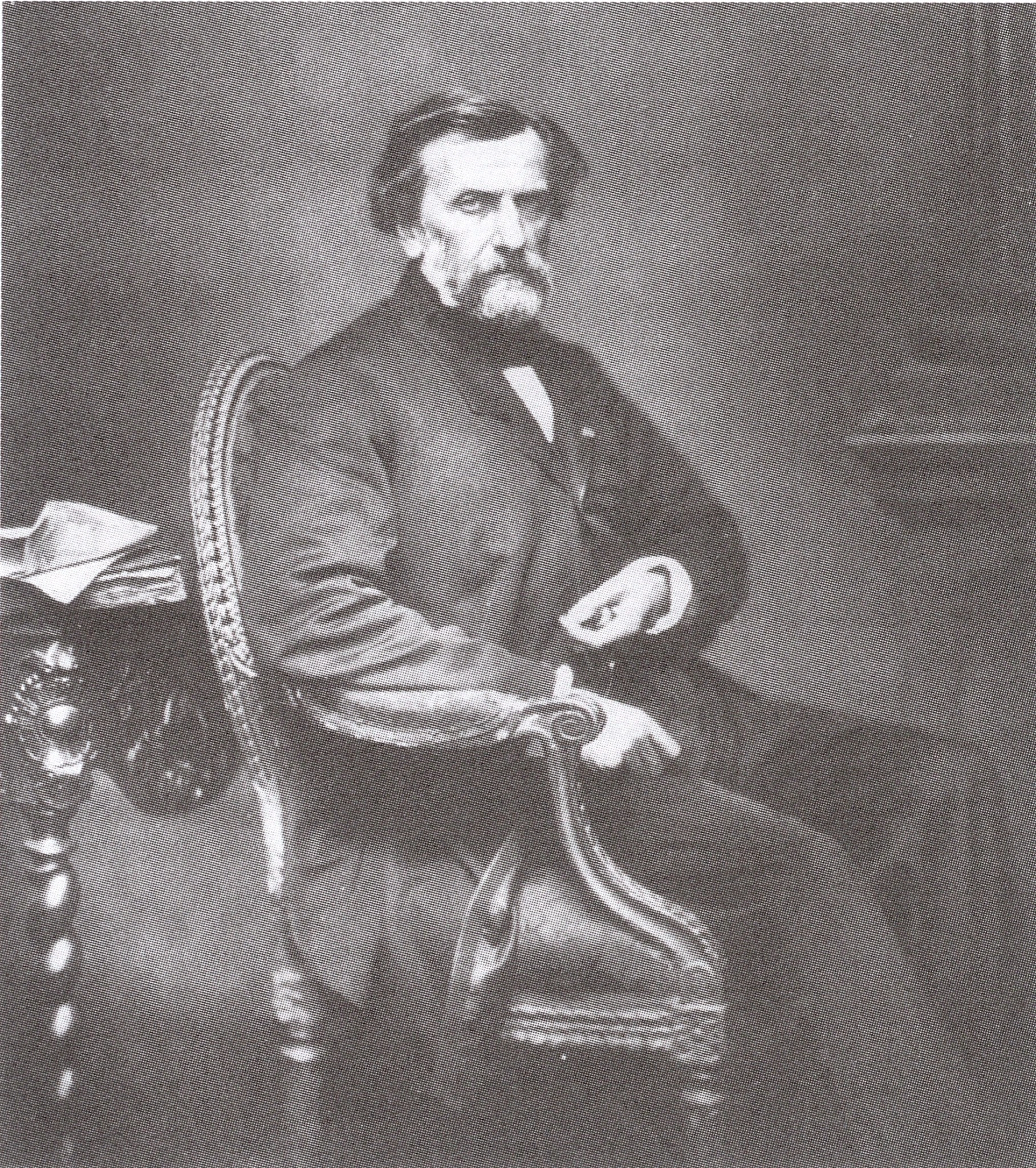
Thomas [tom’a] Charles Louis Ambroise, *5 VIII 1811 Metz, †12 II 1896 Paryż, francuski kompozytor. Wychowywał się w rodzinie muzyków; jego ojciec był skrzypkiem w miejscowej orkiestrze operowej, a także nauczycielem śpiewu, solfeżu, gry na fortepianie, instrumentach smyczkowych i gitarze; matka, śpiewaczka, udzielała również lekcji gry na fortepianie. Intensywnie szkolony przez rodziców Thomas uchodził za cudowne dziecko; mając 10 lat, grał już – według ówczesnych przekazów – jak profesjonalny pianista i skrzypek. W 1823, po śmierci ojca, Thomas przeprowadził się z matką i bratem do Paryża, gdzie uczył się prywatnie gry na fortepianie u F. Kalkbrennera; w 1828 został przyjęty do konserwatorium do klasy P. Zimmermanna (fortepian) i J.-F. Le Sueura (kompozycja). Wkrótce zdobył opinię najzdolniejszego studenta; w 1829 wygrał uczelniany konkurs pianistyczny, w 1830 – konkurs skrzypcowy oraz konkurs w zakresie harmonii i kontrapunktu, a w 1832 otrzymał Prix de Rome za kantatę Hermann et Ketty. Podczas pobytu w Rzymie zaprzyjaźnił się z malarzami H. Flandrinem oraz J.A.D. Ingresem i pod ich wpływem zainteresował się malarstwem włoskim okresu renesansu (Rafael, Michał Anioł). Zgodnie z regulaminem nagrody rzymskiej poświęcał czas na studiowanie partytur w bibliotekach Kaplicy Sykstyńskiej oraz innych kościołów i klasztorów. Uczęszczał na przedstawienia operowe w wielu miastach włoskich, poznając najnowsze dzieła Rossiniego, Belliniego i Donizettiego. Studiował także i wykonywał kompozycje Mozarta, Beethovena i Chopina, odnosząc jako pianista sukcesy w salonach włoskiej arystokracji. Na muzyce tej wzorował się jako twórca miniatur fortepianowych, utworów kameralnych (m.in. Kwartetu smyczkowego op. 1), a także pieśni i religijnych dzieł wokalno-instrumentalnych (m.in. Requiem). W drodze powrotnej do Paryża Thomas odwiedził Wiedeń oraz Monachium i Lipsk; na początku 1836 powrócił do Paryża, gdzie zaczął komponować opery i balety.
Debiut operowy Thomasa (La double échelle, 1837) na scenie Opéra-Comique zyskał uznanie H. Berlioza (którego Thomas poznał w Rzymie). Dzieło to, podobnie jak Le panier fleuri, zostało wystawione także na wielu scenach poza Francją, m.in. w Berlinie, Wiedniu i Londynie, za co Thomas otrzymał godność członka Legii Honorowej. Sukces w Opéra de Paris zapewnił mu balet La gipsy (1839), który był pierwszą i najgłośniejszą inscenizacją J. Maziliera (Thomas komponował do niego muzykę wspólnie z F. Benoistem i M.A. Marlianim). W następnych dziełach Thomas podjął współpracę z doświadczonymi librecistami – A. de Leuven (właśc. A. de Ribbing) i E. Scribe’em. Przełomowe w jego karierze były opery: Le caïd (1849), Le songe d’une nuit d’été (1850) oraz Raymond (1851). W dowód uznania Thomas został przyjęty w 1851 do Acadèmie des Beaux-Arts jako następca G. Spontiniego. Pod koniec lat 50. mianowano go także profesorem kompozycji w konserwatorium w Paryżu; w ciągu następnych 40 lat jego klasę ukończyło wielu wybitnych później twórców: L.A. Bourgault-Ducoudray, T. Dubois, a przede wszystkim J. Massenet. Thomas był w tym czasie aktywny także jako juror konkursów chóralnych. Międzynarodowy i długotrwały rozgłos przyniosła Thomasowi jego najsławniejsza do naszych czasów opera komiczna.
Mignon, której sukces ułatwił mu wystawienie w operze w Paryżu (1868) kolejnego dzieła – Hamleta; doceniona została także w pełni Françoise de Rimini, wystawiona tamże w 1882 z typowym dla tej sceny przepychem i na nieprzeciętnym poziomie wokalnym (dotyczy to zwłaszcza głównej roli żeńskiej). W 1871 Thomas został mianowany dyrektorem konserwatorium w Paryżu; funkcję tę pełnił z poświęceniem i pasją do końca życia, starając się nieustannie ulepszać profil kształcenia, m.in. poprzez wprowadzanie nowych przedmiotów (akustyka, historia muzyki, czytanie a prima vista, ortofonia). W 1895 przewodniczył obchodom stulecia istnienia konserwatorium. Z czasem poglądy estetyczne Thomasa stały się konserwatywne; nie był on skłonny uznać i popierać nowych prądów w muzyce, utworów G. Faurégo, C. Debussy’ego i C. Francka, którego bojkotował zwłaszcza za wpływy wagnerowskie w jego muzyce. W ostatnich latach życia Thomas dostąpił wielu zaszczytów, m.in. w 1894 otrzymał przy okazji tysięcznego przedstawienia Mignon Wielki Krzyż Legii Honorowej, a od króla włoskiego Umberta I, za pośrednictwem G. Verdiego, Wielki Krzyż Orderu Saint Maurice et Lazare.
Swą inwencję twórczą Thomas skupiał na dziełach scenicznych. Spośród jego 20 oper jednak zaledwie dwie przetrwały próbę czasu: najwybitniejsze dzieło – Mignon, którego liczba wystawień do czasów II wojny światowej przekroczyła 1000, oraz opera Hamlet, za życia i krótko po śmierci kompozytora wysoko ceniona, potem zapomniana, zaś od ok. 1980 ponownie włączona do repertuaru operowego (liczne inscenizacje w krajach Europy i Stanów Zjednoczonych). Upodobania literackie Thomasa stawiały w centrum jego zainteresowań dzieła Szekspira, które w kilku przypadkach stały się także źródłem librett. Kompozytor akceptował swobodne podejście librecistów do problemu adaptacji, łącznie z przenoszeniem postaci z różnych sztuk do jednego libretta (np. w operze Le songe dune nuit d’été) i zmianą zakończenia akcji. Thomas przejawiał skłonność i zdolności do syntezy stylów operowych jego czasów. Był twórcą poszukującym, ale nie do końca pewnym swoich decyzji artystycznych. Świadczą o tym przeróbki i nowe wersje dzieł, fragmenty skreślane lub wnoszone do gotowych już partytur, a także podwójne zakończenia w Mignon i Hamlecie, z których jedno zgodne jest z pierwowzorem literackim, drugie zaś, bardziej optymistyczne, dostosowane zostało do oczekiwań ówczesnych odbiorców (podyktowane zatem względami komercyjnymi).
Dzięki wieloletniej współpracy z Opéra-Comique Thomas posiadał znakomite wyczucie możliwości, jakie stwarzała francuska opera komiczna. Komponując wirtuozowskie partie sopranowe, śpiewne partie basowe, nasycone rytmami tanecznymi formy zwrotkowe z refrenami, ballady, barkarole, romanse i kołysanki, nawiązywał zwłaszcza do obfitej spuścizny F. Aubera i F. Halévy’ego; wybitnym dziełem Thomasa z tego gatunku jest Le caïd. Kiedy jednak nadarzyła się okazja do nawiązania współpracy z Opéra de Paris, kompozytor dostosowywał partyturę do uświęconych tradycją wymogów tej instytucji, zastępując m.in. dialogi mówione i deklamację na tle muzyki recytatywami. Opera Psyché, pierwsze dzieło skomponowane przez Thomasa we współpracy z J. Barbierem i M. Carrém, pomyślana była początkowo jako kameralna opera liryczna; w trakcie komponowania przeobraziła się w operę komiczną, a ostatecznie w 4-aktową grand opéra. Mignon i Hamleta porównuje się często z operami C. Gounoda: Romeo i Julia oraz Faust (scena, w której Mignon przebiera się w stroje Filiny i przegląda w lustrze może kojarzyć się z arią Małgorzaty z klejnotami). Thomas rzeczywiście przyswoił sobie założenia opery lirycznej podpowiedziane mu, przynajmniej częściowo, przez treść i konstrukcję librett; nie był jednak naśladowcą Gounoda; natomiast pomysłem, aby rolę głównej bohaterki powiązać z tańcem, wyprzedził koncepcję roli Carmen w operze G. Bizeta. Komponując Mignon, Thomas zainspirowany był 2 obrazami namalowanymi i rozpowszechnionymi przez A. Scheffera, przedstawiającymi postać Mignon z powieści Wilhelm Meisters Lehrjahre Goethego. Libreciści – Barbier i Carré – stworzyli rzadko spotykany w operze typ bohaterki, łączącej w sobie cechy młodzieńca i skromnej dziewczyny. Atutem opery jest z jednej strony subtelny liryzm, związany z postacią protagonistki, a z drugiej – bogactwo wyrażanych przez nią emocji. Delikatną naturę Mignon charakteryzuje już uwertura poprzez wyeksponowanie brzmienia fletu i harfy. Opera zyskała nadzwyczajne powodzenie również ze względu na swoją melodyjność, koloraturową partię wokalną Filiny – rywalki Mignon (słynna aria koncertowa Je suis Titania, śpiewana po przedstawieniu – w planie domyślnym – Snu nocy letniej w akcie II) oraz barwną stylizację muzyki cygańskiej i pastisz tańców XVIII-wiecznych. W twórczości operowej Thomasa wyróżnia się także Hamlet, pomimo dyskredytujących go ocen za niefrasobliwy stosunek twórców do Szekspirowskiego oryginału. Wzorując się na Don Giovannim Mozarta, Thomas powiązał tematycznie uwerturę z kulminacyjną sceną opery i postacią ducha zamordowanego króla. W scenie z przedstawieniem sztuki pt. Zabójstwo Gonzagi kompozytor interesująco wykorzystał dramatyczną siłę tańca w roli środka potęgującego napięcie (finał II aktu). Rolę Ofelii Thomas podniósł do rangi pierwszoplanowej, równorzędnej wobec roli Hamleta. Jej aria w II akcie Adieu, dit-il, ayez foi! wyróżnia się użyciem saksofonu w roli instrumentu koncertującego, zaś wykorzystanie koloratury w scenie obłędu (ballada Pâle et blonde w akcie IV) nawiązuje do analogicznej sceny z Łucji z Lammermooru G. Donizettiego.
Walorem oper Thomasa jest orkiestracja, w której kompozytor wykazał się typowo francuską wrażliwością na barwę dźwięku. Upodobanie do brzmienia fletu i harfy można uznać za zapowiedź impresjonizmu. Niecodziennym pomysłem są skrzypcowe solówki w stylu Paganiniego, wykonywane na scenie w Le carnaval de Venise. Thomas był ponadto jednym z pierwszych obok Berlioza kompozytorów, którzy włączyli do orkiestry saksofony i sakshorny, łącznie z odmianami basowymi tych instrumentów; historyczne znaczenie ma również użycie chromatycznych trąbek oraz sześciozaworowych puzonowych konstrukcji A. Saxa.
Obok tradycyjnego śpiewu operowego Thomas rozwinął w swoich dziełach melodyjną recytację, zbliżoną do Sprechgesang, rozwiniętą później przez jego następców w dziedzinie opery lirycznej – J. Masseneta i C. Debussy’ego. Thomas przeszedł do historii opery francuskiej jako bezkompromisowy kontynuator rodzimej tradycji i zdeklarowany przeciwnik koncepcji dramatu muzycznego Wagnera.
Literatura: G. Andrieux Catalogue de manuscrits musicaux d’Ambroise Thomas, Paryż 1935; H. Delaborde Notice sur la vie et les oeuvres de M. A. Thomas, Paryż 1896, reprint 2013; M. Cooper Charles Loius Ambroise Thomas, «The Music Masters» II, wyd. A.L. Bacharach, Londyn 1950, wyd. oddzielne Londyn 1958; W. Dean Shakespeare and Opera, w: Shakespeare in Music, red. P. Hartnoil, Londyn 1964; G. Schmidgall Shakespeare and Opera, Nowy Jork 1990; The Original Staging Manuals for Twelve Parisian Operatic Premières, red. H.R. Cohen, Stuyvesant (Nowy Jork) 1991; R. Graeme ,,Hamletˮ. Ambroise Thomas “Opera Quarterlyˮ XI/3, 1993; E. Rogeboz-Malfroy Amrboise Thomas ou la tentation du lyrique, Paryż 1994; E. Rogeboz-Malfroy Support littéraire et création musicale dans l’œuvre lyrique d’Ambroise Thomas, w: Le Théâtre lyrique en France au XIXe siècle, red. M. Prévost, Metz 1995; G. Masson Ambroise Thomas, un compositeur lyrique au XIXe siècle, Metz 1996; E. Rogeboz-Malfroy Ambroise Thomas. Témoin du siècle 1811–1896, Besançon 1999; J. K. Law Three Hamlets. Ambroise Thomas, ,,The Opera Quarterlyˮ XIX/3, 2003; U. Weisstein, W. Bernhart Unwillkürliche Parodie und unfreiwillige Komik in Ambroise Thomas ,,Mignonˮ, w: Selected essays on opera, Amsterdam 2006; S. Suddhaseel Shakespeare reception in France: the case of Ambroise Thomas ,,Hamletˮ, w: Shakespeare and the Culture of Romanticism, red. J. M. Ortiz, Farnham 2013; R. B. Bunt Finding the Shakespeare in Ambroise Thomas’s ,,Hamletˮ: A Comparison of Plot and Character in the Seventeenth-Century English Play and the Nineteenth-Century French Opera, dysertacja doktorska na University of Nevada, Ann Arbor 2017; M. Croteau ‘Le Songe d’une nuit d’été’ of Ambroise Thomas: L’éclat at the end of the tunnel, ,,Cahiers Élisabéthainsˮ 99, 2019; Ambroise Thomas: lettres à Jacques-Léopold et Henri Heugel (1867–1896), red. J.-L. Heugel, H. Heugel, J.-Ch. Branger, Metz 2021; Shakespeare et la musique en France (XIXe-XXIe siècle), red. C. Bardelmann, Nancy 2021; Th. Gautier, P. Pascal, A. Pougin, J. Tiersot Ambroise Thomas, Paryż 2023.
Kompozycje
Sceniczne:
opery komiczne:
La double échelle, 1-aktowa, libretto F.A.E. de Planard, wyst. Paryż 1837
Le panier fleuri, 1-aktowa, libretto A. de Leuven (A. de Ribbing) i L.L. Brunswick (L. Lhérie), wyst. Paryż 1839
Le caïd, 2-aktowa, libretto T.M.F. Sauvage, wyst. Paryż 1849
Le songe d’une nuit d’été, 3-aktowa, libretto J.B. Rosier i A. de Leuven, wyst. Paryż 1850, 2. wersja (z recytatywami), wyst. Paryż 1886
Raymond ou Le secret de la reine, 3-aktowa, libretto J.B. Rosier i A. de Leuven, wyst. Paryż 1851
Psyché, 3-aktowa, libretto J. Barbier i M. Carré, wyst. Paryż 1857, 2. wersja, wyst. Paryż 1878
Le carnaval de Venise, 3-aktowa, libretto T.M.F. Sauvage, wyst. Paryż 1857
Mignon, 3-aktowa, libretto J. Barbier i M. Carré wg powieści Wilhelm Meisters Lehrjahre J.W. Goethego, wyst. Paryż 1866, 2. wersja Paryż 1866, 3. wersja (z recytatywami, w tłum. niemieckim F. Gumberta), wyst. Baden-Baden 1869, 4. wersja (3-aktowa w 4 obrazach, w tłum. włoskim G. Zaffiry), wyst. Londyn 1870
opery:
Hamlet, 5-aktowa, libretto J. Barbier i M. Carré wg Szekspira, wyst. Paryż 1868, 2. wersja Paryż 1869
Françoise de Rimini, 5-aktowa, libretto J. Barbier i M. Carré wg pieśni V z Boskiej komedii (Piekło) Dantego, wyst. Paryż 1882
balety:
La gipsy, balet-pantomima, 3-aktowa, libretto J.-H. Vernoy de Saint-Georges wg noweli La gitanilla z Novelas ejemplares M. de Cervantesa, choreografia J. Mazilier, wyst. Paryż 1839 (muzyka do aktu I — F. Benoist, do aktu III
— M.A. Marliani)
Betty, balet-pantomima, 2-aktowa, autor libretta nieznany wg komedii La jeunesse d’Henri V.A. Duvala, choreografia J. Mazilier, wyst. Paryż 1846
La tempête, 3-aktowa, libretto J. Barbier wg Szekspira, choreografia J. Hansen, wyst. Paryż 1889
Wokalne:
Chœur des gardes-chasses na 2 tenory, wyk. Metz ok. 1857, wersja na 4 głosy, wyd. Nancy 1881
L’harmonie des peuples na chór męski a cappella, sł. A. Lefèvre, wyd. Paryż ok. 1855
Le chant des amis na chór męski a cappella, sł. A. de Musset, wyd. Paryż 1858
Salut aux chanteurs de la France na chór męski a cappella, sł. J.F. Vaudin, wyd. Paryż 1859
France, France na chór męski a cappella, sł. J.F. Vaudin, wyd. Paryż 1860
Le forgeron na chór męski a cappella, sł. P. Delombre, wyd. Paryż 1861
Le Tyrol na chór męski a cappella, sł. G. Chouquet, wyd. Paryż 1862
Les archers de Bouvines na chór męski a cappella, sł. G. d’Orquaire, wyd. Paryż 1863
Les traîneaux na chór męski a cappella, sł. G. Chouquet, wyd. Paryż 1864
Le carnaval de Rome na chór męski a cappella, sł. G. Chouquet, wyd. Paryż 1864
Le temple de la paix na chór męski a cappella, sł. G. Chouquet, wyd. Paryż 1867
Paris! na chór męski a cappella, sł. J.F. Vaudin, wyd. Paryż 1867
La nuit du sabbat na chór męski a cappella, sł. G. Chouquet, wyd. Paryż 1869
L’Atlantique na chór męski a cappella, sł. G. Chouquet, wyd. Paryż b.r.
Wokalno-instrumentalne:
pieśni:
Souvenirs d’Italie. 6 romances italiennes et vénitiennes na głos i fortepian, sł. E. Delcuse, wyd. Paryż 1835
Adieu les beaux jours i Doux abri na głos i fortepian, sł. Mlle de La Besge, wyd. Paryż ok. 1835
C’est vous na głos i fortepian, sł. E. de Lonlay, wyd. Paryż 1840
La vierge Marie na głos i fortepian, sł. Mme Godefroy, wyd. Paryż ok. 1840
Viens na głos i fortepian, sł. H. Lesguillon, wyd. Paryż ok. 1840
La charité du couvent na głos i fortepian, sł. M. Desbordes-Valmore, wyd. Paryż 1843
Belle folle espagnole na głos i fortepian, sł. anonimowe, wyd. Moguncja 1844
Ange et mortel na głos i fortepian, sł. M. Constantin, wyd. Paryż ok. 1855
Sérénade na głos i fortepian, sł. A. Dumas syn, wyd. Paryż ok. 1861
Le petit chou na głos i fortepian, sł. anonimowe, wyd. Paryż ok. 1861
Ah sur ma parole na głos i fortepian, wyd. Paryż ok. 1862
Le soir na głos i fortepian, sł. M. Carré, wyd. Paryż 1869
Le berger de la Reuss na głos i fortepian, sł. L. Escudier, wyd. Paryż ok. 1870
Fleur de neige na głos i fortepian, sł. J. Barbier, wyd. Paryż 1880
Passiflore na głos i fortepian, sł. J. de Chambrun, wyd. Paryż 1887
Chanson de Margyane na głos i fortepian, sł. M. Barbier, wyd. Paryż 1896
Baissez les yeux na głos i fortepian, sł. A. Grimault, wyd. Paryż 1897
L’aimable printemps na głos i fortepian, sł. J. Barbier, wyd. Paryż 1900
Ainsi va le monde na głos i fortepian, sł. E. Vienet, wyd. Paryż 1903
Croyance na 2 głosy solowe i fortepian, sł. G. Boyer, wyd. Paryż 1885
religijne:
Messe de Requiem na chór i orkiestrę, wyd. Paryż 1835
Messe solennelle na głosy solowe, chór i orkiestrę, wyk. Paryż 1857, wyd. Paryż 1858
Credo do Messe de l’Orphéon (pozostałe części A. Adam i F. Halévy), na 2 głosy basowe i organy ad libitum, wyd. Paryż 1860
Agnus Dei na 3 głosy solowe i organy, wyd. Paryż ok. 1895 (?)
motety:
O salutaris na sopran, 2 alty i organy
Sub tuum praesidium na 2 soprany, alt i organy oraz Veni sponsa Christi na 2 tenory, 2 basy i organy, wyd. Paryż 1836
Pie Jesu na tenor i organy, wyd. Paryż 1896
Ave Maria na sopran, alt, tenor i organy, wyd. Paryż b.r.
ponadto 8 kantat świeckich, m.in.: Hermann et Ketty, tekst markiz de Pastoret, wyd. Paryż 1832
Instrumentalne:
orkiestrowe:
Fantaisie brillante op. 6, na fortepian i orkiestrę lub kwartet smyczkowy, ok. 1835, wyd. Paryż b.r., wersja na fortepian, wyd. Paryż ok. 1836
Marche religieuse na orkiestrę, wyk. Paryż 1865, wyd. Paryż 1867
Chant du psaume laúdate na skrzypce i orkiestrę, wyd. Paryż 1883
kameralne:
Kwintet smyczkowy op. 7, wyd. Lipsk 1836, wersja na fortepian, skrzypce, altówkę i wiolonczelę, wyd. Moguncja 1839 (?)
Kwartet smyczkowy op. 1, wyd. Paryż 1833
Trio fortepianowe op. 3, wyd. Paryż ok. 1835
Souvenir na fortepian i skrzypce lub altówkę, wyd. Paryż b.r.
fortepianowe:
miniatury:
6 caprices en forme de vahes caractéristiques op. 4, wyd. Lipsk 1835
L’absence, nokturn op. 8, wyd. Paryż ok. 1835
Fantaisie sur un air favori écossais op. 5, wyd. Paryż 1836
Valse de salon, wyd. Londyn 1851
Cantabile, wyd. Paryż 1865
La dérobée, fantaisie sur un air breton, wyd. Paryż 1888
Printemps, wyd. Paryż b.r.
organowe:
Offertoire, wyd. Paryż 1858
Prière, wyd. Paryż 1859
3 préludes, wyd. Paryż 1860
Elevazione, wyd. Paryż b.r.
Dirge, wyd. Paryż b.r.
10 pastorales, wyd. Paryż b.r.
***
oprac. Marsylianki na orkiestrę wojskową, wyd. Paryż 1887
Prace:
Recueil des leçons de solfège à changements de clef composées pour les examens et concours du Conservatoire de musique…, 2 t., Paryż 1885, 1900, reprint 2018
Leçons de solfège à changements de clef composées. Conservatoire de musique, 1872–1885: Edition populaire sans accompagnement Paryż 1886, reprint 2019
Solfèges posthumes à changements de clefs, 1885-1896: avec accompagnement pour les examens et concours du Conservatoire de musique, Paryż 1897, reprint 2021