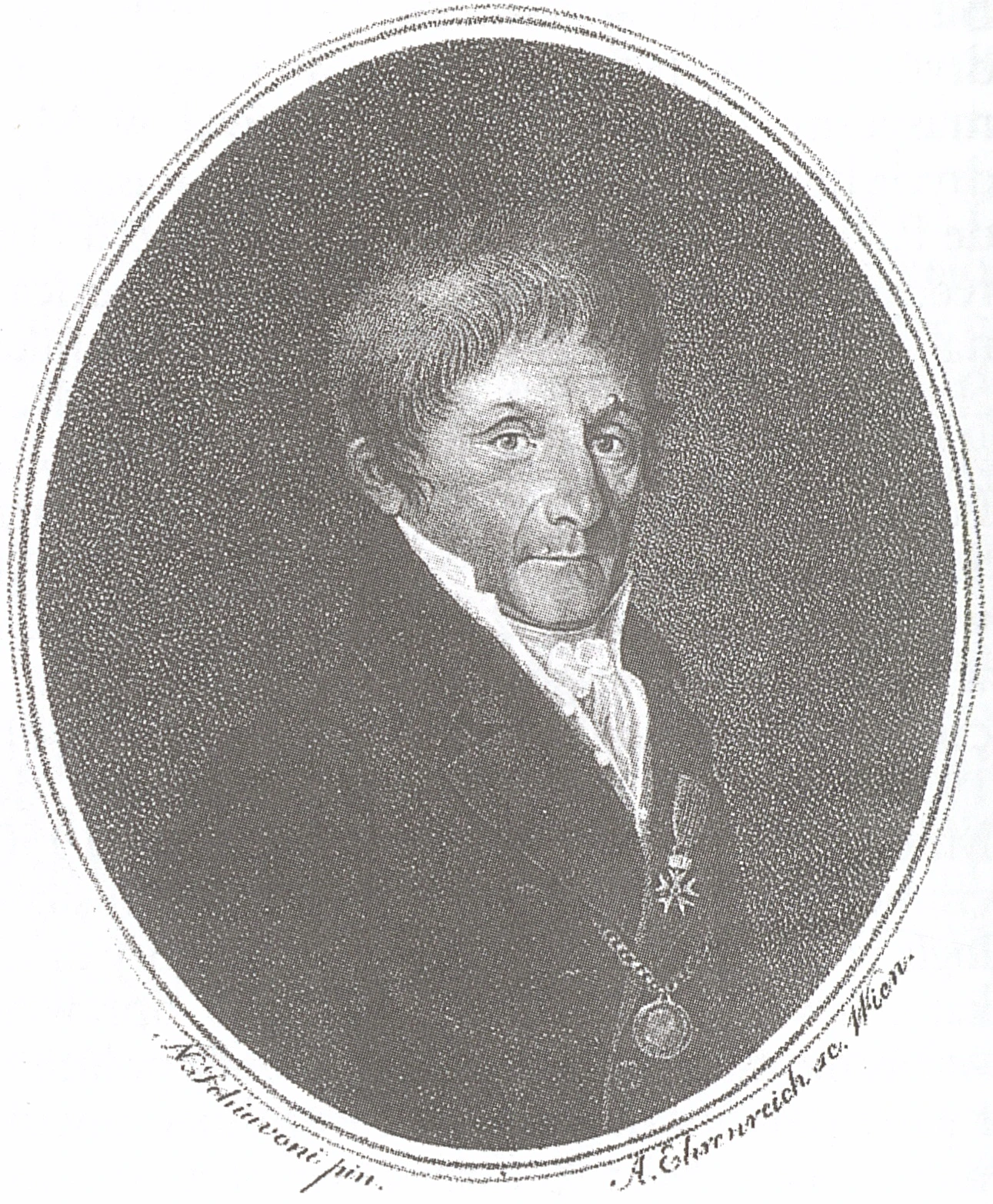
Salieri Antonio, *18 VIII 1750 Legnago (k. Wenecji), †7 V 1825 Wiedeń, włoski kompozytor. Gry na skrzypcach uczył go brat, Francesco Salieri, a na klawesynie i organach G. Simoni. Po śmierci rodziców, ok. 1765 Salieri przeniósł się do Wenecji, gdzie kontynuował naukę pod kier. F. Paciniego (śpiew) i G.B. Pescettiego (kompozycja). W 1766 zabrał go do Wiednia przebywający w Wenecji kompozytor dworu cesarskiego F.L. Gassmann i zapewnił mu dalszą edukację muzyczną. W 1769 Salieri napisał swoją pierwszą operę, Le donne letterate. W krótkim czasie zyskał poparcie wpływowego już wówczas P. Metastasia, a rozgłos przyniosła mu wystawiona w VI 1771 w Wiedniu opera Armida, nawiązująca do założeń reformy dramatycznej Glucka. Jako następca Gassmanna Salieri został w 1774 dworskim Kammerkomponist, a także kapelmistrzem opery włoskiej. Poparcie cesarza Józefa II było mu pomocne również we Włoszech i Francji. Na uroczyste otwarcie w 1778 La Scali w Mediolanie (ówcześnie pod panowaniem Austrii) napisał operę seria L’Europa riconosciuta, a w 1781 na zamówienie cesarza singspiel Der Rauchfangkehrer dla Burgtheater w Wiedniu. W 1782 Gluck przekazał Salieriemu zamówienie Opery w Paryżu na tragedię liryczną; Salieri napisał wówczas Danaidy (Les Danaïdes), wystawione z sukcesem w 1784, i otrzymał zamówienia na dwie następne francuskie opery, z których druga, Tarare do libretta P.A. de Beaumarchais, przyniosła mu wielki triumf.
W 1783 na dworze wiedeńskim zaangażowana została włoska trupa operowa, co podniosło rangę opery buffa. Salieri wystawił z tym zespołem w Burgtheater własną operę La scuola de’ gelosi, a następnie jako dyrygent brał udział w premierach oper m.in. G. Paisiella, V. Martína y Soler i W.A. Mozarta. Współpracował z L. Da Pontem oraz z G.B. Castim; w 1788 Józef II zamówił u niego włoską wersję Tarare do libretta L. Da Pontego, a opera wystawiona w 1788 pt. Axur, re d’Ormus uświetniła zaślubiny arcyksięcia Franciszka z księżną Elżbietą Wirtemberską. W tym samym roku Salieri objął funkcję kapelmistrza na dworze cesarskim, którą pełnił do emerytury (1824). Po śmierci Józefa II (1790) został zdymisjonowany ze stanowiska w teatrze dworskim, natomiast nadzorował rekrutację instrumentalistów, śpiewaków, a nawet budowniczych organów. Zajmował się gromadzeniem instrumentów oraz muzycznym archiwum dworskim, a przede wszystkim był odpowiedzialny za planowanie muzycznej oprawy wydarzeń, związanych m.in. z kongresem wiedeńskim (faworyzował utwory religijne J.G. Albrechtsbergera, J. i M. Haydnów, G. Reuttera młodszego, J. Eyblera, L. Hofmanna i W.A. Mozarta). Jako prezydent Tonkünstler-Sozietät organizował i prowadził koncerty na cele charytatywne. Spośród wszystkich późnych oper (trzech do librett G. De Gamerry i trzech C.P. Defranceschiego) największy sukces przyniosła mu Palmira, regina di Persia, a także (wznawiany obecnie) Falstaff. Ostatni ukończony utwór sceniczny Salieriego – singspiel Die Neger, wystawiony w 1804 – nie wzbudził już większego zainteresowania.
Salieri wiele czasu poświęcał pracy pedagogicznej, szczególnie po 1804. Specjalizował się w kształceniu sopranów koloraturowych, uczył m.in. Catharinę Cavalieri i córki Gassmanna: Therese Rosenbaum i Marię Annę Fux. Do grona jego uczniów w zakresie kompozycji należeli m.in. L. van Beethoven, F. Schubert, J.N. Hummel, I. Moscheles, G. Meyerbeer, C. Czerny oraz F. Liszt. Salieri był jednym z założycieli Musikakademie (1817) oraz Gesellschaft für Musikfreunde w Wiedniu. W uznaniu zasług odznaczony został w 1815 orderem Legii Honorowej oraz w 1816 Złotym Medalem, przyznanym w 50. rocznicę jego przyjazdu do Wiednia.
Zarówno upodobania, jak i zajmowane stanowiska predestynowały Salieriego do komponowania oper, czym zajmował się ponad 30 lat. W miarę jednak zmniejszania się zainteresowania tym gatunkiem wzrastała jego aktywność w dziedzinie muzyki religijnej. Salieri pisał opery należące do niemal wszystkich uprawianych wówczas gatunków scenicznych. Są wśród nich zarówno różne odmiany oper komicznych (włoska opera buffa z elementami commedia dell’arte, określana też mianem commedia per musica, intermezzo, żartobliwe 1-aktowe divertimento teatrale, azione pastorale o tematyce arkadyjskiej oraz niemiecki singspiel), jak i opery poważne (włoska dramma per musica, francuska tragédie lyrique). Podobnie jak Mozart w Don Giovannim Salieri z upodobaniem tworzył opery semiseria, określane mianem dramma giocoso (np. La cifra), dramma tragicomico (Axur) lub dramma eroicomico (Palmira), w których obok postaci typowych dla opery buffa występowały postacie seria o pogłębionej charakterystyce psychologicznej (np. Eurillo w La cifra).
Salieri miał gruntowną wiedzę i wyczucie możliwości muzycznych i teatralnych konwencji w ramach poszczególnych gatunków scenicznych. We wczesnych operach kontynuował styl Gassmanna, tworząc lekkie komedie ze zręcznie zarysowanymi postaciami, obfitujące w komiczne sytuacje sceniczne. Przejawiał zamiłowanie do wirtuozowskich arii, szczególnie sopranowych z koloraturą i elementami koncertującymi, jak np. w arii Calloandry Vi sono sposa e amante z La fiera di Venezia (solowe partie fletu, oboju i fagotu). W młodości Salieri był twórcą chłonnym i otwartym na nowoczesne koncepcje opery, chętnie rozwijającym wzory najwybitniejszych twórców, z którymi miał okazję się zetknąć. Szybko zyskał sobie opinię głównego kontynuatora reform Glucka. W swoich dziełach poważnych, a szczególnie w Armidzie, L’Europa riconosciuta oraz w tragediach lirycznych, doceniał walory chóru, któremu powierzał aktywną rolę w dramaturgii dzieła, przykładał wagę do nienagannej deklamacji muzycznej tekstu, dążył do zintegrowania wyrazowego i tematycznego uwertury z całością dzieła oraz do wykorzystania walorów kolorystycznych instrumentów (powierzał partie solowe wiolonczelom, fagotom, klarnetom, a nawet rożkowi angielskiemu). Napięcie emocjonalne postaci podkreślał poprzez wybujały typ linii melodycznej w recytatywach accompagnato, a także w świetnie skonstruowanych duetach miłosnych (np. Hypermnestry i Lusceusa w Les Danaïdes), nie rezygnował jednak z brawurowych arii, szczególnie wówczas, gdy miał do dyspozycji wybitnych śpiewaków. Często też wzorem Glucka stosował płynne przejścia między recytatywem accompagnato, arioso, arią, partiami zespołowymi i chórem. Nowszą tendencją było także dążenie do uwypuklania elementów charakterystycznych, umownie egzotycznych (Tarare), nastroju grozy i horroru (Les Danaïdes) przy użyciu środków wokalnych, ale także harmonicznych (ciąg akordów zmniejszonych), kolorystycznych (np. barwa instr. puzonów) i artykulacyjnych (np. uporczywe tremolo instrumentów smyczkowych). W latach 80. w operach Salieriego dostrzec można wyraźne analogie z operami Mozarta, wynikające z wzajemnych wpływów oraz ze współpracy z tymi samymi śpiewakami i librecistami, przede wszystkim z L. Da Pontem.
Spośród licznych dzieł religijnych Salierigo większość powstała jako utwory okolicznościowe dla dworu Habsburgów. Zgodnie z encykliką Annus qui papieża Benedykta XIV z 1749 kompozytor przestrzegał nakazu zrozumiałości tekstu. Wystrzegał się wirtuozerii i wpływów operowych, ale także kunsztownej polifonii, przyznawał natomiast ważną rolę chórowi, dbał o nienaganną deklamację i dramatyczny wyraz, rozwijał też środki symfoniczne. W grupie utworów instrumentalnych, skomponowanych w większości we wczesnym okresie twórczości, wyróżniają się koncerty (najbardziej znany jest Koncert potrójny D-dur oraz wariacje orkiestrowe na temat La follia di Spagna).
Za życia Salieri cieszył się niezmiennie uznaniem i szacunkiem zarówno mocodawców, jak i słuchaczy i uczniów, a jego opery wystawiane były na wielu europejskich scenach. Po śmierci kompozytora zniknęły jednak niemal zupełnie z repertuaru, postrzegane jako przestarzałe stylistycznie. Rozpowszechniana w XIX w. pogłoska, jakoby Salieri kierowany zawiścią przyczynił się do przedwczesnej śmierci Mozarta, nigdy nie została udowodniona (mimo iż Salieri, doznawszy w ostatnich latach życia załamania nerwowego, sam stał się źródłem owej pogłoski, świadkiem jego wyznań był A. Schindler), przesłoniła jednak niewątpliwe zasługi kompozytora dla austriackiej, włoskiej i francuskiej kultury muzycznej, zaś w romantycznej literaturze przewinął się związany z nią motyw zemsty (A. Puszkin Mozart i Salieri), podjęty później w operze N. Rimskiego-Korsakowa. Do tego problemu powrócił P. Shaffer w sztuce teatralnej Amadeus (1979), zekranizowanej w 1984 przez M. Formana. Autorzy obu dzieł, stawiając pytanie o istotę geniuszu muzycznego, wnikliwiej niż Puszkin penetrują psychologiczną sferę stosunków Mozart-Salieri, w wielu jednak momentach historyczne fakty zastępują fikcją. Popularność sztuki i filmu przyczyniły się z kolei do renesansu zainteresowania postacią i twórczością Salieriego (inscenizacje, publikacje utworów, nagrania płytowe, monografie).
Literatura:
J.S. Hettrick A Thematic Catalogue of Sacred Works by A. Salieri. An Uncatalogued Holograph of the Composer…, „Fontes Artis Musicae” XXXIII, 1986; E. Biggi Parodi Catalogo tematico delle composizioni teatrali di Antonio Salieri : gli autografi, Lukka 2005; F. Passadore, F. Rossi, D. Prefumo Catalogo tematico delle composizioni strumentali di Antonio Salieri, Lucca 2022;
I.F.E. von Mosel Über das Leben und die Werke des A. Salieri, Wiedeń 1827; przedr. Bad Honnef 1999; A. von Hermann A. Salieri. Eine Studie zur Geschichte seines künstlerischen Wirkens, Wiedeń 1897, przedr. Londyn 2022; G. Magnani A. Salieri. Musicista legnaghese, Legnago 1934; A. Della Corte Un italiano all’estero. A. Salieri, Turyn 1937; M. J. E. Brown Schubert and Salieri, „Monthly Musical Record” LXXXVIII, 1958; A. Bonaccorsi A. Salieri e il suo Falstaff, w: Volti musicali di Falstaff, „Chigiana” XVIII, 1961; A. Braga Antonio Salieri tra mito e storia, Bolonia 1963; R. Angermüller A. Salieri und seine „Scuola di Canto”, w: Beethoven-Studien, red. E. Schenk, Wiedeń 1970; R. Angermüller A. Salieri. Sein Leben und seine weltlichen Werke unter besonderer Berücksichtigung seiner großen Opern, Monachium 1971; R. Angermüller Antonio Salieri, t. 3 Dokumente, Monachium 1972; R. Angermüller Antonio Salieri, t. 2.1 Vita und weltliche Werke, Monachium 1974; R. Angermüller Antonio. Salieri. Fatti e documenti, Legnago 1985; P. G. De Guidi A. Salieri, Legnago 1985; E. E. Swenson Antonio Salieri : a documentary biography, Ann Arbor (Michigen) 1985; A. Wheelock Thayer Salieri, rival of Mozart, Kansas City 1989; V. Braunbehrens Salieri. Ein Musiker im Schatten Mozarts, Monachium 1989, wyd. w języku angielskim Maligned Master. The Real Story of A. Salieri, Nowy Jork 1992, wyd. w języku francuskim pt. Salieri, dans l’ombre de Mozart, Paryż 1990; L. Kantner A. Salieri rivale o modello di Mozart?, w: Mozart e i musicisti italiani del suo tempo, materiały z międzynarodowej konferencji w Rzymie 1991, red. A. Bini, Lukka 1994; V. Della Croce, F. Blanchetti Il caso Salieri, Turyn 1994; Da Beaumarchais a Da Ponte, materiały z konferencji w Weronie 1994, red. R. Angermüller i E. Biggi Parodi, Turyn 1996; J. A. Rice A. Salieri and Viennese Opera, Chicago 1998; Antonio Salieri (1750-1825) e il teatro musicale a Vienna : convenzioni, innovazioni, contaminazioni stilistiche a cura di Rudolph Angerműller e Elena Biggi Parodi, księga kongresu w Legnano 2000, Lukka 2012; Antonio Salieri. Dokumente seines Lebens unter Berücksichtigung von Musik, Literatur, Bildender Kunst, Architektur, Religion, Philosophie, Erziehung, Geschichte, Wissenschaft, Technik, Wirtschaft und täglichem Leben seiner Zeit, t 1. 1670 – 1786, t. 2 1787–1807, t. 3 1808-2000, red. K. H. Bock, Bad Honnef 2000; H. Lachmayer, Th. Haigermoser, R. Eisendle Salieri su la tracce di Mozart, katalog wystawy z okazji ponownego otwarcia mediolańskiej La Scali 7.10.2004, Kassel 2005; L. P. Giacomelli Antonio Salieri : una vita all’ombra dei pioppi, Verona 2008; R. Ronge Beethovens Lehrzeit : Kompositionsstudien bei Joseph Haydn, Johann Georg Albrechtsberger und Antonio Salieri, Bonn 2011, Monachium 2014; M. Lorenz Antonio Salieri’s Early Years in Vienna, blog internetowy 2013; M. Vignal Antonio Salieri, Paryż 2014; T. J. Herrmann Antonio Salieri und seine deutschsprachigen Werke für das Musiktheater, Lipsk 2015; E. Hilscher Antonio Salieri und die Feste des Wiener Kongresses, „Römische Historische Mitteilungen“ LVIII (2016) s. 267–278; Antonio Salieri: la carriera di un musicista fra storia e leggenda, red. F. Passadore, Lucca 2017; T. J. Herrmann Antonio Salieri – eine Biografie, Heidelberg, Halle 2019.
Kompozycje
Sceniczne:
Le donne letterate, opera komiczna, libretto G.G. Boccherini, wyst. Wiedeń 1770
La fiera di Venezia, opera komiczna, libretto G.G. Boccherini, wyst. Wiedeń 1772
La secchia rapita, opera komiczna, libretto G.G. Boccherini wg A. Tassoniego, wyst. Wiedeń 1772
Il barone di Rocca Antica, opera komiczna, libretto G. Petrosellini, wyst. Wiedeń 1772
La finta scema, opera komiczna, libretto G. De Gamerra, wyst. Wiedeń 1775
La grotta di Trofonio, opera komiczna, libretto G.B. Casti, wyst. Wiedeń 1785, wyd. Wiedeń ok. 1786
Eraclito e Democrito, opera komiczna, libretto G. De Gamerry, wyst. Wiedeń 1795
Il moro, opera komiczna, libretto G. De Gamerry, wyst. Wiedeń 1796
L’Angiolina ossia Il matrimonio per sussurro, opera komiczna, libretto C.P. Defranceschi wg Epicoene B. Jonsona, wyst. Wiedeń 1800
La bella selvaggia, opera komiczna, libretto G. Bertati, Wiedeń 1802
La partenza inaspettata, intermezzo, libretto G. Petrosellini, wyst. Rzym 1779
La dama pastorella, intermezzo, libretto G. Petrosellini, wyst. Rzym 1780
Don Chisciotte alle nozze di Gamace, divertimento teatrale, libretto G.G. Boccherini wg M. de Cervantesa, wyst. Wiedeń 1771
Prima la musica e poi le parole, divertimento teatrale, libretto G.B. Casti, wyst. Wiedeń 1786
L’amore innocente, pastorale, libretto G.G. Boccherini, wyst. Wiedeń 1770
Delmita e Daliso, pastorale, libretto G. De Gamerra, wyst. Wiedeń 1776
Der Rauchfangkehrer oder Die unentbehrlichen Verräther ihrer Herrschaften aus Eigennutz, musikalisches Lustspiel, libretto J.L. Augenbrugger, wyst. Wiedeń 1781
Die Neger, singspiel, libretto G.F. Treitschke, wyst. Wiedeń 1804
La moda ossia I scompigli domestici, opera semiseria libretto P. Cipretti, wyst. Wiedeń 1771
La locandiera, opera semiseria, libretto D. Poggi wg C. Goldoniego, wyst. Wiedeń 1773
La calamità de’ cuori, opera semiseria, libretto C. Goldoni, wyst. Wiedeń 1774
La scuola de’ gelosi, opera semiseria, libretto C. Mazzolà, wyst. Wenecja 1778
Il talismano (I akt), opera semiseria, libretto C. Goldoni, wyst. Mediolan 1779 (akt II i III skomponowany przez G. Rusta), popr. przez L. Da Pontego, wyst. Wiedeń 1788
Il ricco d’un giorno, opera semiseria, libretto L. Da Ponte, wyst. Wiedeń 1784
Cublai, gran Kan de’ Tartari, opera semiseria, libretto G.B. Casti, Wiedeń 1786
Tarare, opera semiseria, libretto P.A. de Beaumarchais, wyst. Paryż 1787
Axur, re d’Ormus, opera semiseria, libretto L. Da Ponte wg Tarare P.A. de Beaumarchais, wyst. Wiedeń 1788, wyd. Wiedeń ok. 1800
Il pastor fido, opera semiseria, libretto L. Da Ponte wg G.B. Guariniego, wyst. Wiedeń 1789
La cifra, opera semiseria, libretto L. Da Ponte wg La dama pastorella G. Petroselliniego, wyst. Wiedeń 1789
Il mondo alla rovescia, opera semiseria, libretto C. Mazzolà wg L’isola capricciosa, wyst. Wiedeń 1795
Palmira, regina di Persia, opera semiseria, libretto G. De Gamerra wg La princesse de Babylone Woltera, wyst. Wiedeń 1795
Falstaff ossia Le tre burle, opera semiseria, libretto C.P. Defranceschi wg Wesołych kumoszek z Windsoru W. Szekspira, wyst. Wiedeń 1799
Cesare in Farmacusa, opera semiseria, libretto C.P Defranceschi, wyst. Wiedeń 1800
Armida, opera seria, libretto M. Coltellini wg Jerozolimy wyzwolonej T. Tassa, wyst. Wiedeń 1771, wyd. Lipsk 1783
L’Europa riconosciuta, opera seria, libretto M. Verazi, wyst. Mediolan 1778
Semiramide, opera seria, libretto P. Metastasio, wyst. Monachium 1782
Catilina, opera seria, libretto G.B. Casti, Wiedeń 1792
Annibale in Capua, opera seria, libretto A.S. Sografi, wyst. Triest 1801
Les Danaïdes, tragédie lyrique, libretto Du Roullet i Tschudi wg R. de Calzabigiego, wyst. i wyd. Paryż 1784
Les Horaces, tragédie lyrique, libretto N.-F. Guillard wg P. Corneille’a, wyst. Wersal 1786
Tarare, tragédie lyrique, libretto P.A. de Beaumarchais, wyst. Paryż 1787
Wokalne i wokalno-instrumentalne
La passione di nostro signore Gesù Cristo, oratorium, tekst P. Metastasio, wyk. Wiedeń 1776
Le jugement dernier, oratorium, tekst Roger, wyk. Paryż 1788
Gesù al limbo, oratorium, tekst L. Prividali, wyk. Wiedeń 1803
religijne:
Missa stylo a cappella, wyk. Wiedeń 1767
Msza D-dur wokalno-instrumentalna, 1788
Msza C-dur wokalno-instrumentalna, 1799
Msza d-moll wokalno-instrumentalna, wyk. Wiedeń 1805
Msza B-dur wokalno-instrumentalna, wyk. Wiedeń 1809
Requiem c-moll, wyk. Wiedeń 1804
Kyrie C-dur, wyk. Wiedeń 1812
świeckie:
kantaty, m.in.:
Il trionfo della Gloria e della Virtù, wyk. Wiedeń 1774
La sconfitta di Borea, tekst G. De Gamerra, wyk. Wiedeń 1775
Der Tyro 1er Landsturm, tekst J.F. Ratschky, wyk. i wyd. Wiedeń 1799
La riconoscenza de’ Tirolesi, tekst J.F. Ratschky, wyk. Wiedeń 1800
Habsburg, wyk. Wiedeń 1805
Die vier Tageszeiten, wyk. Wiedeń 1819
17 utworów na chór i fortepian/zespół instrumentów, 1800–19
ponad 180 kanonów (w większości 3-głosowych), 1800–19
ponad 70 triów
ponad 50 duetów (w większości a cappella)
Instrumentalne
Symfonia D-dur Il giorno onomastico, wyk. Wiedeń 1775
2 symfonie D-dur
26 wariacji orkiestrowych na temat La follia di Spagna, wyk. Wiedeń 1815
Koncert klawesynowy B-dur 1773
Koncert klawesynowy C-dur 1773
Koncert organowy C-dur 1773
Koncert C-dur na flet i obój, 1774
Koncert potrójny D-dur na skrzypce, obój i wiolonczelę, 1774
Concertino G-dur na flet i smyczki, 1777
kasacje, marsze, serenady, suity na zespoły instrumentów dętych
Edycje
Antonio Salieri Edition, pierwsze krytyczne wydanie dzieł Salieriego w 4 seriach zapowiedziane przez Da Vinci Edition – dotychczas ukazały się:
Sinfonia intitolata “Il Giorno Nomastico” – partytura, wyd. T. Duca
La grotta di Trofonio – partytura i wyciąg fortepianowy, wyd. T. Duca
Koncert C-dur na flet i obój, wyd. J. Wojciechowski, Frankfurt n. Menem 1962
Koncert potrójny D-dur na skrzypce, obój i wiolonczelę, wyd. J. Wojciechowski, Hamburg 1963
Koncert klawesynowy B-dur, wyd. G.C. Ballola, Mediolan 1981
Koncert klawesynowy C-dur, wyd. G.C. Ballola, Mediolan 1981
Koncert C-dur na organy, wyd. J.S. Hettrick, Wiedeń 1981
Prima la musica, poi le parole, wyciąg fortepianowy wyd. F. Wanek, Moguncja i Nowy Jork 1977, partytura wyd. Th. Betzwieser, Kassel 2013
Concertino G-dur na flet i smyczki, wyd. R.J. Koch, Padwa 1977, wyd. także G.C. Ballola, Mediolan 1983
26 wariacji orkiestrowych na temat La follia di Spagna, wyd. P. Spada, Rzym 1978
Requiem c-moll, wyd. J. Wojciechowski, Frankfurt n. Menem 1978, wyd. R. Sales Arantes imslp.org 2021
Il giorno onomastico, symfonia, w: Italians in Vienna, «The Symphony 1720–1840» seria B, II, Nowy Jork 1983
2 symfonie D-dur, w: Italians in Vienna, «The Symphony 1720–1840» seria B, II, Nowy Jork 1983,
Symfonia D-dur nr 19, „Veneziana“, wyd. R. Sabatini, Moguncja 1976, Mediolan 1987
Der Rauchfangkehrer, wyd. Th. Bauman, «German Opera 1770–1800» XIV, Nowy Jork 1985–86
Tarare, wyd. R. Angermüller, Monachium 1978
Kleine Harlekinade, intermezzo komiczne z opery Axur, Re d’Ormus, Moguncja 1981
Missa stylo a cappella, wyd. O. Biba, Altötting 1987, wyd. także J.S. Hettrick, Wiedeń 1993
Msza B-dur wokalno-instrumentalna, wyd. J.S. Hettrick, «Denkmäler der Tonkunst in Österreich» CXLVI, 1988
Msza D-dur „Hofkapellmeistermesse” wokalno-instrumentalna, wyd. J.S. Hettrick, «Recent Researches in the Music of the Classical Era» XXXIX, 1994 oraz LXV, 2002
Msza d-moll wokalno-instrumentalna, wyd. J.S. Hettrick, «Recent Researches in the Music of the Classical Era» XXXIX, 1994 oraz LXV, 2002
La passione di nostro signore Gesù Cristo, oratorium, wyd. L. Kelber, partytura i wyciąg fortepianowy, Stuttgart 1994, Mediolan 2022
Falstaff, wyciąg fortepianowy wyd. E. Riciolli, Florencja 1999
Scherzi instrumentali a quattro di stile fugato na kwartet smyczkowy, wyd. R. Sabatini, Wiedeń 2002
Coronation Te Deum, wyciąg fortepianowy, Lipsk b.d.
Cublai, gran Kan de’ Tartari – Sinfonia, Rzym b.d.
Catilina, opera seria, wyciąg fortepianowy, Berlin b.d.
4 Serenady na flet, obój, róg, fagot i kontrabas, wyd. W. Reiner, Wiedeń b.d.
.