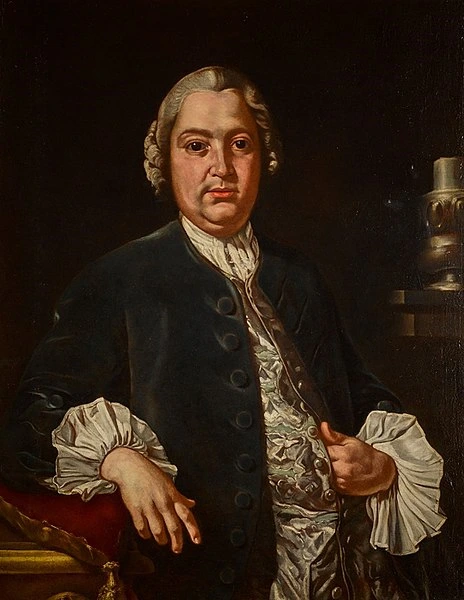
Jommelli, Jomelli, Jomella, Jomela, Jomelo, Jumella, Jumeli, Niccoló, *10 IX 1714 Aversa (prowincja Caserta), †25 VIII 1774 Neapol, włoski kompozytor. Był synem zamożnego kupca. Wcześnie rozpoczął naukę muzyki w chórze katedralnym w rodzinnym mieście. Od 1725 uczył się w Neapolu w Conservatorio di Sant’Onofrio u I. Proty i F. Fea, a od 1728 w Conservatorio della Pieta dei Turchini, gdzie jego pedagogami byli N. Fago, G. Sarcuni i A. Basso. Dzięki poparciu markiza G.B. del Vasto, wiosną 1737 Jommelli wystawił w Neapolu (Teatro Nuovo) swe pierwsze dzieło sceniczne, operę buffa L’errore amoroso, a następnie w tym samym gatunku Odoardo. Wykonanie w 1740 w Rzymie (Teatro Argentina) opery seria Ricimero, rè de’Goti przyniosło Jommellemu uznanie publiczności. Ch. de Brossesa dostrzegł u początkującego twórcy wybitny talent. O Ricimero P.L. Ghezzi, słynny karykaturzysta, napisał, że miał „wspaniałą muzykę” a o Astianatte, iż była to „muzyka wyjątkowa, która przyniosła Jommellemu uznanie całego Rzymu”. W tej ostatniej śpiewał przybyły z Polski V. Rocchetti, członek królewskiej kapeli Augusta III. Wiosną 1741 Jommelli wyjechał do Bolonii, gdzie zaprezentował operę Ezio. Dzięki zachowanej korespondencji hrabiego Pepoli z przebywającym w Madrycie Farinellim wiemy, że muzyka Jommellego stała się obiektem zainteresowania sławnego kastrata. Przez kilka miesięcy kompozytor pogłębiał też wiedzę muzyczną u G.B. Martiniego. Co prawda nie cenił wysoko jego talentu, podkreślał jednak, iż dużo skorzystał z nauki u słynnego pedagoga. Przyjaźń między artystami przetrwała wiele lat, o czym świadczy zachowana korespondencja. 8 VI 1741 Jommelli został członkiem Accademia Filarmonica w Bolonii. W latach 1741–43 pisał opery dla teatrów Wenecji, Turynu, Bolonii, Rzymu i Padwy oraz komponował utwory religijne, spośród których szczególną popularność zyskały oratoria Isacco figura del Redentore i La Betulia liberata. W latach 1743–47 dzięki rekomendacji J.A. Hassego pełnił funkcję dyrektora muzycznego w Ospedale degli Incurabili w Wenecji. Wśród dzieł napisanych dla tej instytucji wyróżniały się psalm Laudate pueri i oratorium Gioas i Juda proditor. W 1747 w Teatro Argentina w Rzymie zabrzmiała pierwsza wersja jego Didone abbandonata (do libretta Metastasia będzie jeszcze wracał dwukrotnie w 1750 i 1763). Pozycję Jommellego w świecie muzyki utrwaliły nie tylko wspomniane opery i oratoria, ale zamówiona w 1747 muzyka z okazji ślubu Delfina Francji z Marią Józefą Austriaczką. Od tego momentu Jommelli określany był w źródłach jako „celebre” lub „virtuoso”. W tym czasie komponował też dalsze opery dla Ferrary, Bolonii, Lukki, Rzymu, Wenecji i Neapolu. W 1748 działał prawdopodobnie w Neapolu, gdzie odbyły się premiery 2. wersji opery Ezio i L’amore in maschera. Wiosną następnego roku bawił w Parmie (wyst. Demetrio), a w połowie IV spotkał się w Bolonii z Padre Martinim. Pod koniec lat 40. protektorem Jommellego został kardynał Henryk Edward Stuart (kontakt kompozytora z kardynałem udokumentowano źródłowo po raz pierwszy w 1749, możliwe jednak, że lubiący muzykę i wykonujący ją amatorsko młody Stuart, doskonale znał najwcześniejsze kompozycje Jommellego). W 1749 zadedykował mu La Passione di Gesù Cristo, z tego roku pochodzi też sławne intermezzo Don Trastullo będące satyrą na styl poważny w muzyce operowej. W końcu IV 1749, dzięki protekcji wpływowego kardynała A. Albaniego, zaangażowany został do Cappella Giulia w Watykanie, ale nie zatwierdzono go wówczas na stanowisku maestro coadiutore kapeli papieskiej. Z niepublikowanej korespondencji G. Chitiego (kapelmistrza w bazylice S. Giovanni in Laterano) z Padre Martinim wynika, iż sprzeciwili się temu rzymscy muzycy, którzy zarzucali Jommellemu niedostateczną znajomość stylu kościelnego. Kardynał Albani uzyskał wówczas dla kompozytora zaproszenie na dwór cesarski w Wiedniu oraz nominację na członka Accademii di Santa Cecilia w Rzymie. W drodze do Austrii kompozytor ponownie odwiedził w Bolonii Martiniego. W Wiedniu Jommelli przebywał od VII 1749 do końca roku – poza krótkim pobytem jesienią w Wenecji (wystawienie 3. wersji Ciro riconosciuto) – i na zamówienie cesarskie skomponował dwie opery: Achille in Sciro z okazji urodzin cesarzowej-wdowy Elżbiety Krystyny, żony Karola VI oraz 2. wersję Didone abbandonata. Oba dzieła odniosły sukces. Zdaniem P. Metastasia Achille in Sciro „znacznie przekroczył wielkie nadzieje”, jakie pokładano w kompozytorze, a Didone abbandonata „słusznie zadziwiła i oczarowała dwór. Jest pełna wdzięku, nowości, harmonii i przede wszystkim ekspresji.” Jommelli brał też udział w przygotowywaniu pasticciów jak Armida placata (X 1750), wykonywał muzykę podczas prywatnego muzykowania w apartamentach cesarzowej Marii Teresy. Podczas pobytu w Wiedniu Jommelli miał okazję poznać nową dlań tradycję muzyczną i takich twórców jak G. Ch. Wagenseil, jeden z głównych przedstawicieli szkoły starowiedeńskiej, a osobisty kontakt z Metastasiem dał mu – według jego zapewnień – więcej niż nauka u któregokolwiek z kompozytorów. Metastasio udzielił bowiem Jommellemu cennych rad dotyczących muzycznego opracowania tekstu poetyckiego. Do końca życia kompozytor będzie otaczał swoistą czcią postać i teksty Metastasia, nawet gdy w wyniku zmiany muzycznego stylu będzie zmuszony on sam lub współpracujący z nim libreciści dokonywać w nich znaczących przeróbek. W sumie z przerwami związanymi z powrotami do Italii Jommelli spędził w Wiedniu półtora roku. Na początku 1750 Jommelli powrócił do Rzymu, podejmując obowiązki w Cappella Giulia. W III 1750 został mianowany papieskim virtuoso, a końcem IV otrzymał upragnioną nominację na stanowisko maestro coadiutore kapeli papieskiej. Pod koniec 1750 wyjechał na krótko do Wiednia, gdzie wystawiano opery z jego muzyką. W 1751 skomponował 8 dzieł scenicznych dla teatrów w Rzymie, Bolonii, Palermo, Wenecji i Spoleto, a 8 dalszych w 1753 dla Rzymu, Stuttgartu, Mediolanu, Piacenzy i Turynu. W latach 1750–53 powstała też znaczna część jego kompozycji kościelnych, pisanych dla kapeli papieskiej, a także dla Collegio Nazareno i Collegio Capranica w Rzymie. W 1753 został członkiem literackiej Accademia dell’Arcadia, otrzymując imię Anfione Eteoclide, co oznacza, że mógł się pochwalić także talentem literackim, od członków Akademii wymagano bowiem umiejętności improwizowania poezji. Operowa działalność Jommellego na dworze cesarskim rozsławiła jego nazwisko poza granicami Włoch; w 1751 zabiegi o pozyskanie kompozytora na swój dwór rozpoczął król Portugalii, a w 1753 Jommelli otrzymał propozycję od elektora Karola Teodora z Mannheimu i księcia Karola Eugeniusza ze Stuttgartu. Mimo usilnych starań Jommellemu nie udało się zdobyć w Rzymie uznania dla swych kompozycji kościelnych, przyjął więc zaproszenie księcia wirtemberskiego, który już w 1751 wystawił w swym teatrze opery Ezio i Didone abbandonata, a na karnawał 1753 zamówił u kompozytora Fetonte. Na początku tego roku książę przebywał we Włoszech, osobiście poznał Jommellego i zamówił kolejną operę La clemenza di Tito. W 1753 jego opera buffa Il parataio (przeróbka L’uccellatrice), wykonana przez włoską trupę teatralną w Paryżu, włączyła się sławną „querelle des bouffons.”
Jommelli przybył do Stuttgartu w VIII 1753 wraz z grupą włoskich śpiewaków i instrumentalistów, 21 XI 1753 otrzymał korzystny kontrakt, a 1 I 1754 oficjalną nominację na stanowisko Musikdirektor und Ober-Kapellmeister dworu wirtemberskiego. W Stuttgarcie Jommelli znalazł idealne warunki do rozwoju i realizacji swych operowych koncepcji, zbieżnych z upodobaniami księcia. Dzięki mecenatowi Karola Eugeniusza oraz działalności jego artystów dwór wirtemberski stał się w latach 50. i 60. XVIII w. wybitnym ośrodkiem muzycznym i baletowym oraz zajął trwałą pozycję w historii. Karol Eugeniusz, miłośnik muzyki (także muzyk-amator, uczeń C.Ph.E. Bacha) i teatru, świetnie zorientowany w najnowszych trendach sztuki włoskiej i francuskiej, wszystkie środki finansowe i władzę nad całym zespołem artystycznym pozostawił do dyspozycji Jommellemu, dla siebie rezerwując jedynie prawo wyboru libretta i decyzji o kształcie kompozycji. Jommelli kierował licznym zespołem opery seria, a od 1766 także trupą opery buffa oraz orkiestrą, którą powiększył z 25 członków (w 1755) do 47 (w 1767), i która pod jego batutą stała się jednym z najlepszych zespołów w Europie (wśród skrzypków byli m.in. P. Nardini, A. Lolli i F.J. Deller). Jommelli współpracował też ze znakomitym zespołem baletowym, na czele którego stał J.G. Noverre. Do obowiązków Jommellego należała piecza zarówno nad muzyką świecką, jak i kościelną, (w obrządku katolickim i ewangelickim), ale jego najważniejszym zadaniem było komponowanie oper, głównie na urodziny księcia (11 II), a początkowo także księżnej (30 VIII). Wystawiano je zazwyczaj w stuttgarckim Opernhaus, a po 1764 w nowym teatrze w Ludwigsburgu, dokąd przeniósł się dwór. Kontrakt Jommellego przewidywał raz na 3 lata wyjazdy do Włoch i kompozytor korzystał z tej możliwości w latach 1754, 1757, 1762 i 1767. W ciągu 16 lat pracy na dworze wirtemberskim Jommelli skomponował 42 dzieła sceniczne, (w tym 8 dla teatrów włoskich): 26 oper seria i 16 innego typu, jak opery buffa, intermezza, serenaty, pastorale itp. Powstały wówczas – zdaniem niektórych badaczy (np. H. Aberta) – najwybitniejsze dzieła Jommellego: L’Olimpiade, Didone abbandonata (3. wersja), Demofoonte (3. wersja), Vologeso, Fetonte (2. wersja). Ok. 1766 Jommelli rozpoczął współpracę z nowym poetą dworu – Martinellim, który napisał dla niego 2 libretta do oper komicznych, La critica i Il matrimonio per concorso.
Rozrzutne życie dworu Karola Eugeniusza doprowadziło niewielką Wirtembergię na skraj bankructwa; w 1767 książę zaczął zwalniać kosztownych artystów cudzoziemskich i zastępować ich siłami miejscowymi. W tej niepewnej sytuacji Jommelli nawiązał w 1768 kontakt z dworem Józefa I w Lizbonie. Z powodu poważnej choroby żony Jommellego, uzyskawszy urlop na dworze wirtemberskim, wyjechał w III 1769 do Włoch i zamieszkał najpierw w rodzinnej Aversie, a po śmierci żony (VII 1769) – w Neapolu. Wskutek intryg na dworze wirtemberskim pozbawiony został pensji, co spowodowało zerwanie stosunków kompozytora z Karolem Eugeniuszem. Stałe uposażenie Jommelli otrzymywał teraz od dworu portugalskiego w zamian za wysyłane do Lizbony kopie wcześniejszych dzieł oraz za nowe utwory kościelne i teatralne. Wznowił też współpracę z Teatro San Carlo, gdzie w 1770 wystawiona została Armida abbandonata, życzliwie przyjęta przez publiczność; w głównych rolach wystąpili znakomici śpiewacy Giuseppe Aprile (Rinaldo) i Anna De Amicis (Armida) . W.A. Mozart obecny na jednej z prób tej opery przyznał, że podobała mu się, jest bowiem napisana dobrze, wręcz piękna, ale zbyt wyszukana i staroświecka jak na dzieło teatralne (listy z 29 V i 5 VI 1770). Z kolei pierwszy nieformalny biograf kompozytora Saverio Maffei pisał, że „muzyka była niezrównana, zadziwiała i szokowała wszystkich, przyciągała zarówno tych co niewiele o muzyce wiedzieli, jak i znawców.” Następne dzieła Jommellego dla Teatro San Carlo – Demofoonte (4. wersja, 1770) i Ifigenia in Tauride (1771) – spotkały się jednak z całkowitym niezrozumieniem u neapolitańskich widzów (relacja Ch. Burneya). Na początku 1771 kompozytor bawił w Rzymie, gdzie wystawił L’amante cacciatore i Achille in Sciro (2. wersja). W VIII Jommelli uległ atakowi apopleksji, w wyniku którego został częściowo sparaliżowany. Po odzyskaniu sprawności w rękach napisał serenatę Cerere placata, wystawioną w jednym z pałaców Neapolu (1772) oraz operę seria Il trionfo di Clelia (1774), którą zamówił dwór portugalski. Ostatnią kompozycją Jommellego dla Neapolu było Miserere do włoskiego tekstu psalmu autorstwa Matteia, wykonane z sukcesem podczas Wielkiego Tygodnia w 1774. Wkrótce kompozytor zmarł w wyniku drugiego ataku apopleksji; pochowano go w kościele S. Agostino alla Zeccha w Neapolu. Podczas uroczystych egzekwii (11 XI 1774) liczni muzycy i śpiewacy wykonali muzykę napisaną przez N. Sabatiniego, oddając hołd wielkiemu artyście i lubianemu człowiekowi.
Współcześni wielokrotnie podkreślali łagodny charakter Jommellego, jego ujmujący sposób bycia, znakomite maniery i brak zawiści o sukcesy innych. Odznaczał się niezwykłą pamięcią muzyczną i ogromną łatwością komponowania. Miał też talent poetycki, był autorem kilku zręcznych wierszy (jeden z nich drukowano w Rzymie). Był osobowością bardzo bogatą, chłonną i otwartą. O jego rozległych zainteresowaniach i pasji bibliofilskiej zaświadcza katalog księgozbioru pozostawionego przez Jommellego w Stuttgarcie, który obejmował zarówno dzieła literackie, jak też filozoficzne, podróżnicze, historyczne, polityczne, religijne i in.
Jommelli jest jednym z najwybitniejszych twórców włoskiej opery seria XVIII w., reprezentantem szkoły neapolitańskiej, a zarazem jednym z głównych – obok T. Traetty i Ch.W. Glucka – reformatorów tradycyjnego stylu tej szkoły. Należy ponadto – wraz z kompozytorami szkoły mannheimskiej i starowiedeńskiej – do najważniejszych przedstawicieli przedklasycznego stylu orkiestrowego, który Jommelli rozwijał na gruncie opery, bowiem czysta twórczość instrumentalna stanowiła margines jego zainteresowań.
Wiele ówczesnych autorytetów uważało Jommellego za twórcę o nieprzemijającej sławie, lecz historia potraktowała surowo jego dzieła, usuwając je niemal zupełnie z repertuaru muzycznego i to już niewiele lat po śmierci kompozytora. Ch.F.D. Schubart, entuzjasta talentu Jommellego, uznał go – z dużą dozą romantycznej egzaltacji – za jednego z największych geniuszy i przewidywał, że „pozostanie on w historii muzyki postacią wiecznie żywą, a adepci muzyki będą studiować jego partytury tak, jak malarze i architekci studiują sztukę antyku”. Partytury Jommellego nie straciły swych walorów do dziś, ale opera seria, gatunek, którego mistrzem był Jommelli, szybko stała się reliktem przeszłości, zapomnianym przez następne pokolenia słuchaczy.
Twórczość Jommellego dzieli się na 3 okresy wyraźnie związane z etapami jego drogi życiowej: 1. 1737–53 – działalność we Włoszech i przez krótki czas w Wiedniu, 2. 1753–69 – na dworze wirtemberskim, 3. 1769–74 – ponownie we Włoszech. Jommelli wyszedł w swej twórczości operowej od stylu takich neapolitańskich twórców, jak G.B. Pergolesi, L. Vinci i L. Leo, przyznawał się też do wpływu J.A. Hassego, którego dzieła pozwoliły mu pojąć istotę dramaturgii muzycznej. Współpracując w latach 40. z teatrami w Bolonii, Wenecji, Rzymie, Mediolanie i Wiedniu, Jommelli miał możliwość zasymilować inne trendy stylistyczne. Podczas nauki u Padre Martiniego poznał tajniki kontrapunktu palestrinowskiego i wiedzę tę rozwijał w dziełach pisanych przede wszystkim dla kapeli papieskiej w Rzymie, również dla Wiecznego Miasta tworzył i prowadził dzieła jak te zaprezentowane w 1750 przez zespół liczący 200 osób (wokaliści i instrumentaliści łącznie), z wykorzystaniem 11 organów. Na użytek weneckiego Ospedale degli Incurabili i jego kobiet-wykonawczyń komponował utwory reprezentacyjne, pisane z rozmachem, na głosy mieszane, ale także kompozycje dydaktyczne głównie na 1 głos, smyczki i basso continuo. W Mediolanie zetknął się z symfonicznym stylem G.B. Sammartiniego, w Wiedniu z miejscową tradycją operową, odmienną od włoskiej. Wczesne opery Jommellego utrzymane są w konwencji dramaturgii Metastasia (z akcją rozwijaną w recytatywach secco, refleksjami i uczuciami wyrażanymi w wirtuozowskich ariach da capo, recytatywami akompaniowanymi wprowadzanymi w momentach szczególnych napięć dramatycznych, niewielkimi ansamblami – zwykle duetami – umieszczanymi w zakończeniach aktów i chórem solistów w finale opery), a muzyka, podporządkowana w ogólnych zasadach stylowi szkoły neapolitańskiej, charakteryzuje się elegancją i wdziękiem linii melodycznej, przejrzystym akompaniamentem orkiestrowym oraz wolnym rytmem harmonicznym. Jednakże już w tych utworach widoczne są podstawowe cechy dojrzałego stylu Jommellego i jego późniejszych poczynań reformatorskich. Ch. de Brosses zwrócił uwagę na bogactwo harmoniki i niedoścignione – jego zdaniem – w dramatycznym wyrazie recytatywy akompaniowane, występujące w Ricimero, rè de’Goti (1740). W Merope zaproponował połączenie I i II aktu za pomocą chóru, recytatywu akompaniowanego, baletu i pantomimy. Z kolei w Astianatte i Merope (1741) kompozytor posłużył się nowatorskim wówczas (choć zastosowanym już w 1727 przez Vinciego) efektem crescenda, osiąganym poprzez gradację dynamiki od piano do fortissimo (piano – poco forte – più forte – forte assai). Termin crescendo Jommelli zastosował w 1747 w Didone abbandonata, a crescendo il forte w 1749 w Artaserse, swych eksperymentów dynamicznych dokonywał więc wcześniej i niezależnie od kompozytorów szkoły mannheimskiej.
Jommelli wydatnie wzbogacił też w operze rolę orkiestry i Artaserse (1749) spotkał się w Rzymie z krytyką właśnie z tego powodu. Styl orkiestrowy Jommellego znacznie odbiegał już wówczas od włoskiej praktyki i gustu tamtejszej publiczności. Jego sinfonie operowe – z drugimi tematami w tonacji dominanty, ostrymi kontrastami dynamicznymi, rezygnacją ze znaków repetycji w cz. I i przeciwstawnymi odcinkami realizowanymi przez pary instrumentów – wywarły natomiast znaczny wpływ w początkach lat 50. na kompozytorów muzyki instrumentalnej w Wiedniu, Paryżu i Mannheimie. K. Dittersdorf twierdził, że sukces Jommellego w wiedeńskim środowisku muzycznym spowodowany był nie tyle jego operami, co właśnie sinfoniami. Szczególnym pogłębieniem wyrazu dramatycznego i aurą antycznej tragedii wyróżniały się recytatywy akompaniowane, jedyne elementy, które Jommelli pozostawiał z wcześniejszych dzieł w swych kolejnych muzycznych wersjach tego samego libretta. Niezwykły efekt dramatyczny uzyskał kompozytor w Attilio Regolo (1753), kończąc operę recytatywem akompaniowanym. Senesino wykonując tę scenę w spektaklach londyńskich (1754) bisował ją każdego wieczoru, co było – według Burneya – zjawiskiem wyjątkowym w ówczesnej praktyce operowej. W operach i pasticciach przygotowanych dla Wiednia Jommelli sięgnął do miejscowej tradycji operowej, wprowadzając samodzielne ustępy instrumentalne (Ezio, Catone in Utica), większe ansamble (tria, kwartety) czy rozbudowany chór (finał Achille in Sciro). Oryginalność stylu Jommellego trafnie scharakteryzował Metastasio, który po premierze opery Didone abbandonata (1749) w jednym ze swych listów napisał: „Jest to opera pełna wdzięku, nowości, harmonii, a przede wszystkim ekspresji. Wszystko w niej przemawia, włącznie ze skrzypcami i kontrabasami. Nie słyszałem dotąd w tym gatunku niczego, co by mnie bardziej przekonało”. Po powrocie w 1750 do Włoch, w operach pisanych w ciągu kilku najbliższych lat, Jommelli zrezygnował z chórów i autonomicznych ustępów instrumentalnych, natomiast uległ wówczas przemożnemu wpływowi stylu kościelnego, nad którym intensywnie pracował i od którego – jak sam przyznawał – nie potrafił się wyzwolić.
Wychodząc od konwencjonalnego wzoru tradycyjnej neapolitańskiej opery seria, Jommelli osiągnął w końcu pierwszego okresu twórczości stadium dzieła rozwiniętego zarówno dramatycznie, jak i muzycznie. Zapewne z tego powodu wynikła propozycja księcia Karola Eugeniusza. Książę był miłośnikiem opery francuskiej z jej chórami, ansamblami, baletami, programowymi ustępami instrumentalnymi i wystawną, bogatą inscenizacją. Decydując o kształcie pisanych dlań dzieł, Karol Eugeniusz skłonił Jommellego do sięgnięcia po wzory francuskie. Zwrotu tego Jommelli dokonał we współpracy z librecistą M. Verazim w 2 operach: Pelope (1755) oraz Enea nel Lazio (1755). W Pelope (na 7 lat przed Orfeo ed Euridice Glucka) Jommelli odszedł od schematycznego następstwa recytatywu i arii, wprowadzając kompleksy scen dramatycznych, złożonych z obu typów recytatywu, arii, ustępów instrumentalnych i chórów, o których układzie decydował rozwój akcji. W Enea nel Lazio wpływ francuski uwidocznił się w stosowaniu szeroko rozbudowanych chórów i ansambli o wybitnie dramatycznym charakterze. W następnych operach – pisanych głównie do tekstów Metastasia – Jommelli wykorzystał zdobycze uzyskane w obu dziełach, wymagało to jednak modyfikacji libretta. Jommelli, którego natura obdarzyła talentem dramaturgicznym, poddawał teksty Metastasia inteligentnym przeróbkom. Aby zagęścić akcję i wydobyć maksimum dramatyzmu, Jommelli usuwał znaczne partie nużącego recytatywu secco, rezygnował ze zbytecznych arii, wprowadzał prologi (na wzór francuski), dodatkowe partie ansamblowe i chóralne. W przeciwieństwie do Hassego, który był wiernym realizatorem intencji Metastasia, Jommelli stał się współtwórcą dramatu. Traktował operę jako dzieło integralne, będące efektem współpracy artystów różnej profesji. Podkreślał to Schubart pisząc, iż Jommelli bardzo precyzyjnie łączył w spektaklu wyniki swej pracy z dokonaniami maszynisty, scenografa i baletmistrza w „całkowitą jedność, która poruszała serce i duszę najchłodniejszego nawet słuchacza”. Także J.G. Vogler i S. Mattei zauważyli, że operowa muzyka Jommellego wykonywana poza teatrem, bez dekoracji i kostiumów, traciła swój blask i siłę oddziaływania.
Dla podkreślenia dramatyzmu i zwiększenia ekspresji dzieła Jommelli wykorzystywał też środki czysto muzyczne. Główną rolę w tym zadaniu powierzył orkiestrze. Orkiestra Jommellego wychodzi znacznie poza przypisaną jej przez włoską tradycję operową rolę akompaniamentu i „opowiada” szczegółowo wydarzenia, pogłębia wyraz psychologiczny i wzmacnia efekty dramatyczny. Vogler stwierdził, że Jommelli „mówił bez słów”. Nowatorskie cechy wykazuje instrumentacja; wiolonczela i altówka często uniezależniają się od partii basu, altówka otrzymuje niekiedy nawet rolę melodyczną. Basso continuo nie ogranicza się do podkreślania pulsu rytmicznego i wypełnienia harmonii, ale bierze też udział w pracy motywicznej, figuracjach, imitacjach. Skrzypce nie tylko wzmacniają głos wokalny w unisonie, tercjach czy sekstach, ale dialogują z głosem i tworzą tło dźwiękowe, podkreślają nastrój. Instrumenty dęte – flety, oboje, rogi – mają okazjonalnie partie solowe. Do odkryć kompozytora Vogler zaliczył – poza efektami crescendo i decrescendo – stosowanie w instrumentach basowych staccato, co sprawiało wrażenie pedału orkiestrowego. Innym elementem intensyfikującym wyraz dzieła była u Jommellego harmonia. Beloselsky uznał Jommellego za „najgłębszego i największego” kompozytora w tym zakresie. Śmiałe i nowatorskie modulacje do odległych tonacji oraz chromatyzowanie linii melodycznej to środki najczęściej stosowane dla osiągnięcia patosu, wzmożenia ekspresji. Przy wyborze tonacji w ariach Jommelli opierał się na tradycyjnej teorii afektów, toteż negatywne sytuacje i stany uczuciowe wyrażał tonacjami bemolowymi, pozytywne zaś – krzyżykowymi.
Swe eksperymenty orkiestrowe i harmoniczne Jommelli realizował głównie w recytatywach akompaniowanych, które z czasem stały się u niego punktami kulminacyjnymi scen. Accompagnati przeznaczone były dla postaci pierwszoplanowych i wyrażały wewnętrzne sprzeczności i konflikty bohaterów. Już wcześniejsze opery Jommellego odznaczały się liczniejszymi niż u innych kompozytorów recytatywami akompaniowanymi (po 6 w Cajo Mario 1746 oraz Eumene i Didone abbandonata 1747), ale w okresie stuttgarckim występują one jeszcze częściej: w L’Olimpiade (1761) jest ich 8, w Semiramide riconosciuta (1762) – 9, w Didone abbandonata (1763) – aż 21, w Demofoonte (1764) – 11. W ariach Jommelli rzadko korzystał z formy da capo, wykorzystując rozmaite możliwości kształtowania budowy, jakie dawała aria dal segno oraz prosta lub rozbudowana forma ABA. Tego rodzaju ukształtowania kompozytor stosował do tekstów wyrażających wielkie namiętności oraz w tzw. ariach alegorycznych, gdzie uczucia bohatera porównywane są z obrazami natury. Jommelli wprowadzał też arie przekomponowane oraz – przeważnie dla postaci drugoplanowych – różne krótkie, 1- lub 2-częściowe formy kawatyny (A, AB, ABA1B1), które nie zatrzymywały na dłużej akcji. Cechą charakterystyczną niektórych arii jest wprowadzany doń recytatywny, deklamacyjny typ melodyki (na początku arii lub w jej części B), przerywanej pauzami, eksklamacjami, wtrętami orkiestrowymi, dzięki czemu linia melodyczna staje się porwana, nerwowa, dramatyczna. Niekiedy kompozytor wiąże arię z poprzedzającym ją recytatywem poprzez wspólny materiał motywiczny. Duety – zarezerwowane dla głównych bohaterów – wyrażają zazwyczaj uczucia czułe, inspirujące piękną, liryczną melodię. Najczęściej stosowaną w nich formą jest da capo (z wypisaną repetycją części A), dal segno i skrócone rondo (ABA1C). W większych ansamblach, jak tercety i kwartety, dominuje forma przekomponowana, w której tok akcji decyduje o zmianach tonacji, tempa, metrum, faktury, instrumentacji. Chóry pełnią u Jommellego trojaką rolę: komentują wydarzenia, są akompaniamentem do tańca (cecha muzyki francuskiej) lub biorą udział w akcji. Ustępy instrumentalne wewnątrz opery to zwykle marsze i programowe sinfonie. Muzykę do scen baletowych pozostawiał Jommelli do napisania wyspecjalizowanym kompozytorom baletowym – F.J. Dellerowi i J.J. Rudolphowi. Wstępne sinfonie łączą się nierzadko swym charakterem z nastrojem całego dzieła albo przynajmniej z jego początkową sceną. Schubart napisał w związku z tym, że były one „zarodkami, w których zawiera się cała opera”. Innowacje wprowadzane przez Jommellego w operach dla dworu wirtemberskiego wzbudziły niepokój u Metastasia, który z Wiednia śledził poczynania ulubionego niegdyś kompozytora (w 1750 uznał go wszak za „najlepszego mistrza” w opracowaniach tekstu poetyckiego) i w liście do Jommellego z 1765 przestrzegł go przed nadawaniem zbytniej wagi orkiestrze i niedocenianiem głosu wokalnego. Krytyka ze strony Metastasia dotykała jeszcze jednego sporu, zauważalnego w połowie XVIII w., pomiędzy stylem włoskim i niemieckim. Poeta uważał, że styl niemiecki wymagał wiedzy, którą można zdobyć w wyniku studiów i kompozytorskiej praktyki. Takiego twórcę określał „gran maestro” (wspaniałym mistrzem). Jommellego nazywał jednak „potentissimo mago” (potężnym czarodziejem), zauważając, że charakterystycznego dla niego konstruowania partii głosu nie można było się tak po prostu nauczyć. Używając przywołanych określeń zwracał Jommellemu uwagę, że jego muzyka w wyniku pobytu w Stuttgarcie stała się zbyt uczona i zbyt germańska.
Ukoronowaniem i syntezą operowych reform Jommellego stał się Fetonte (1768). Trzyczęściowa wstępna sinfonia jest tu ściśle związana z operą. Wokalno-instrumentalna środkowa część sinfonii zawiera solo wokalne, chór oraz balet i stanowi I scenę opery, a instrumentalna część III ma charakter programowy i ilustruje dalszy przebieg wydarzeń. Znaczną rolę autorzy powierzyli chórom (4 wystąpienia w I i 2 w III akcie) oraz baletom (w I akcie pojawiają się one 6 razy, balet otwiera też III akt). Arie, które w I akcie są stosunkowo liczne (7) i szeroko rozbudowane w 3-częściowych formach (aria Fetonta Le mie smanie jest arią dal segno z częścią A utrzymaną w formie allegra sonatowego), wraz ze wzrostem napięcia pojawiają się w dalszym toku opery rzadziej (w II akcie – 4, a w III akcie tylko 3 razy), mają mniejsze rozmiary i uproszczoną budowę (najczęściej forma AA1 oraz AB). Główny ciężar spoczywa natomiast na ansamblach włączonych do wielkich kompleksów scenicznych. Finał II aktu to następstwo kwartetu, duetu, arii, recytatywu secco, tercetu, recytatywu akompaniowanego i duetu. Punktem kulminacyjnym opery jest jej finał – utworzony z recytatywu akompaniowanego, chóru, tercetu i chóru – w którym wypełnia się tragiczny los dwojga głównych bohaterów dramatu, Fetonta i jego matki Climeny. Jommelli obficie posługuje się tu kontrastami dynamicznymi, częstymi crescendo i decrescendo. Partie wokalne tercetu przerywane są odcinkami instrumentalnymi „opisującymi” szybki bieg wydarzeń. Tym większy kontrast stanowią dramatyczne, solowe wystąpienia Climeny, pozbawione akompaniamentu orkiestrowego. Szybkie pochody skalowe oraz tremolo skrzypiec obrazowo odmalowują żywioł pożaru wszechogarniającego niebo i ziemię. Opadająca skalowo figura melodyczna skrzypiec ilustruje śmiertelny upadek Fetonta do morza i powraca w scenie samobójstwa jego matki. Muzyczno-dramatyczne napięcie opery wspomaga bogata inscenizacja i widowiskowa oprawa scenograficzna. Akcja rozgrywa się w 7 różnych dekoracjach: malowniczym podmorskim królestwie Tetydy, podziemnych grobowcach królewskich, krainie Słońca oraz trzech scenach ziemskich. Opera wymaga udziału – poza 7 solistami – licznych chórzystów (kapłani, Maurowie, bóstwa wodne), tancerzy (wojownicy, Maurowie, postacie alegoryczne, bogowie, trytony, nereidy itp.), a także statystów (wojownicy, urzędnicy dworscy, paziowie, lud). W premierowym spektaklu na scenie pojawiło się 436 statystów, w tym 341 żołnierzy, a wśród nich 86 na koniach (balet w zakończeniu I aktu przewiduje ewolucje konne). Schubart obecny na premierze napisał o niej: „Duch muzyki był wielki, sięgający niebios (…) Taniec, dekoracja, maszyneria, wszystko było w najśmielszym, najnowszym, najlepszym stylu”. Mimo to warto zauważyć, że Jommelli preferował libretta o tematyce historycznej od fantastycznej, do której zaliczał Fetonte.
Vologeso (1766) i Fetonte, ostatnie opery seria napisane przez Jommellego dla dworu wirtemberskiego, rozpoczynają ostatni okres twórczości kompozytora. Jommelli po powrocie do Włoch nadal korzystał ze swych wcześniejszych zdobyczy, a nawet je pogłębiał, ale jednocześnie uprościł język muzyczny, dostosowując się do miejscowej tradycji, możliwości wykonawczych i oczekiwań publiczności. Nie zapewniło mu to jednak sukcesu. Podczas 16-letniego pobytu w Niemczech Jommelli daleko odszedł od gustu swoich rodaków (stał się w ich odczuciu „zbyt uczony” i „zbyt niemiecki”), ci z kolei zmienili w tym czasie upodobania, skłaniając się w stronę opery buffa, a na gruncie opery seria przyznając palmę pierwszeństwa nowemu pokoleniu kompozytorów, którzy – jak N. Piccinni, G. Paisiello czy G.B. Lampugnani – uwagę koncentrowali nie na dramacie, lecz na muzyce. Odrębność i anachroniczność Jommellego na włoskiej scenie operowej trafnie dostrzegł młody Mozart, gdy ocenił Armida abbandonata (1770) jako dzieło zbyt wyszukane i staroświeckie. W czasie gdy powszechnie styl muzyki zmierzał do uproszczenia, Jommelli trwał przy swych upodobaniach rozwiniętych w ekskluzywnej, wyrafinowanej atmosferze absolutystycznego dworu, dziwiąc słuchaczy „uczonością” i skomplikowaniem stosowanych środków. Współcześni – zwłaszcza Włosi – uważali, że muzyka jego była trudna i dla wykonawców, i dla publiczności, że wymagała wykształconych odbiorców i przeznaczona była dla koneserów. Beloselsky poetycko – ale i złośliwie – przyrównywał opery Jommellego do labiryntu kreteńskiego i stwierdził, iż trzeba być Tezeuszem i mieć przy sobie Ariadnę, aby znaleźć wyjście. Zdaniem Mattei, Jommelli czynił to świadomie, pragnąc wyróżnić się wśród innych twórców, stylem całkowicie własnym. Choć ostatnie opery kompozytora nie zostały w swoim czasie docenione, w opinii dzisiejszych badaczy (M. McClymonds) są one dziełami dojrzałego mistrza, charakteryzują się intensywnością wyrazu emocjonalnego, bogactwem efektów harmonicznych, rytmicznych, motywicznych i fakturalnych, przy jednoczesnym uproszczeniu języka orkiestrowego.
Jommelli zaczął swą reformę wcześniej niż Traetta i Gluck, bo już w połowie lat 50. Niezależnie od Glucka zrealizował wiele z jego postulatów ogłoszonych w 1769 w słynnej przedmowie do Alceste. W przeciwieństwie jednak do Glucka Jommelli nie naruszył podstawy dzieła operowego, tj. tekstu. Jego reforma była reformą muzyczną, szukaniem nowych możliwości muzycznych, w ramach tradycyjnej dramaturgii. Wiele swych dzieł napisał wszak Jommelli do librett Metastasia, i choć modyfikował te teksty, to nie odrzucił nigdy ich konwencji, znajdując w niej inspirację i powracając po kilka razy do tych samych tematów (wśród 15 librett opracowanych przez Jommellego 2-, 3-, a nawet 4-krotnie, aż 10 wyszło spod pióra Metastasia).
W cieniu reformatorskich oper seria pozostaje mniej liczny i mniej ważki dorobek komediowy Jommellego. Opery buffa (7), opery semiseria (3) i intermezzi (6) świadczą o talencie kompozytora i opanowaniu warsztatu także w tym gatunku, ale nie wyróżniają się niczym szczególnym z podobnej produkcji innych twórców.
Ogromny dorobek Jommellego w zakresie muzyki kościelnej, powstał głównie przed wyjazdem kompozytora do Stuttgartu. Oratoria (zwykle 2-aktowe, czasami 1-aktowe) i kantaty podobne są w stylu i formie do jego wczesnych oper. Msze i muzyka liturgiczna – dla solistów i chóru, najczęściej z akompaniamentem zespołu smyczkowego i organami – mają na ogół budowę odcinkową, utrzymane są w stylu koncertującym, w mieszanej fakturze homofonicznej i polifonicznej. W późniejszych utworach budowa odcinkowa zanika na rzecz większych części łączących w sobie kontrastowe efekty i różne sposoby muzycznego opracowania. Burney uważał Jommellego za mistrza stylu kościelnego, ceniąc szczególnie wysoko ostatnie Miserere (1774). Także Padre Martini zaliczył Jommellego do tych rzadkich kompozytorów, którzy potrafili sprostać wymogom stylu zarówno operowego, jak kościelnego. Opery Jommellego, wysoko cenione przez znawców, nigdy nie miały takiej popularności i zasięgu oddziaływania, jak dzieła Hassego. Poza miejscami działalności kompozytora – tj. poza Włochami, Wiedniem, Stuttgartem i Ludwigsburgiem – wykonywano je głównie na dworach w Mannheimie i Lizbonie (z którą kompozytor związany był kontraktem) oraz w teatrach publicznych Londynu i Paryża (Il paratojo). Dość szybko też zniknęły z repertuaru i jedynie w Stuttgarcie grano je do końca stulecia. Wywarły tam wpływ na twórczość F.J. Dellera, Ch.L. Dietera i J.R. Zumsteega. Znacznie bogatsze w skutkach okazały się operowe sinfonie Jommellego, naśladowane w Wiedniu, Mannheimie i Paryżu, centrach nowego stylu instrumentalnego. W Warszawie wystawiono jedynie 2 kompozycje komiczne Jommellego: intermezzo komiczne Don Trastullo (ok. 1766) i L’uccellatrice (1779). Na dworze królewskim wykonano też La passione di Gesù Cristo (1791), a biblioteka teatralna przechowywała w 1788 partyturę innego oratorium, prawdopodobnie również granego na zamku królewskim, Isacco figura del Redentore.
Literatura: Ch. Burney The Present State of Music in France and Italy, Londyn 1771, 2. wyd. 1773, przedruk Dr Burney’s Musical Tours in Europe, 2 t., wyd. P.A. Scholes, Londyn 1959, wyd. niemieckie Carl Burney’s der Music Doctors Tagebuch einer musikalischen Reise durch Frankreich und Italien, tłumaczenie C.D. Ebeling, Hamburg 1772; S. Mattei Saggio di poesie latine, ed italiane, t. 2, Neapol 1774; S. Mattei Memorie per servire alla vita del Metastasio ed Elogio di N. J. , Neapol 1785; A.M. Beloselsky-Belozerski De la musique en Italie, La Haye 2. wyd. 1778; J.G. Vogler Betrachtungen der Mannheimer Tonschule, t. 5–6, Mannheim 1776; J.A. Hiller Lebensbeschreibungen berühmter Musikgelehrten und Tonkünstler neuerer Zeit, t. 1, Lipsk 1784; S. Arteaga Le rivoluzioni del teatro musicale italiano dalla sua origine fino al presente, 3 t., Bolonia 1783–88, Wenecja 2. wyd. 1785; S. Mattei Elogio del Jommelli, Colle 1785; Ch. Burney Memoirs of the Life and Writings of the Abbate Metastasio, Londyn 1798; P. Metastasio Opere postume a cura dell’ab. D’Ayala, Wiedeń 1795; C. de Brosses Lettres historiques et critiques sur l’Italia, Paryż 1799; Ch.F.D. Schubart Gesammelte Schriften und Schicksale, Stuttgart 1839; P. Alfieri Notizie biografiche di Niccolò Jommelli, Rzym 1845; J. Sittard Zur Geschichte der Musik und des Theaters am Württembergischen Hofe, Stuttgart 1890–91, przedruk 1970; H. Abert Niccolò Jommelli als Opernkomponist, Halle 1908, przedruk Tutzing 1969; R. Krauss Das Stuttgarter Hoftheater, Stuttgart 1908; A. D’Angeli Niccolò Jommelli e Gluck nel giudizio di Metastasio, „Cronaca musicale” XVIII, 1914; M. Berio Un centenario silenzioso. Niccolò Jommelli, „Rivista Musicale Italiana” XXII, 1915; M. Fehr Zeno, Pergolesi und Jommelli, „Zeitschrift für Musikwissenschaft” I, 1919; M. Pincherle Ernelinde de Philidor et Jommelli, „La Revue Musicale” III, IV, 1922, 1923; U. Prota-Giurleo Musicisti napoletani alla corte di Portogallo (…) Niccolò Jommelli, Neapol 1923; H. Abert Die Stuttgarter Oper unter Jommelli, „Neue Musik-Zeitung” XLVI, 1925; F. Abbiati D’umor concerroso l’inedito Jommelli oraz Qui buongustaio l’inedito Jommelli, „La Scala” II, 1950; J. Hell Die Neapolitanische Opernsinfonie in der ersten Hälfte des 18. Jahrhunderst, Tutzing 1971; R. Pattengale The Cantatas of Niccolò Jommelli, dysertacja University of Michigan, 1973; H. Brofsky Jommelli e Padre Martini, „Rivista Italiana di Musicologia” VIII, 1973; J. Carlson Selected Masses of Niccolò Jommelli, dysertacja University of Illinois, 1974; L. Tolkoff The Stuttgart Operas of Niccolò Jommelli, dysertacja Yale University, 1974; G. Carli Ballola Mozart e l’opera seria di Jommelli, de Majo e Traetta, „Analecta Musicologica” XVI, 1978; Padre Martini’s Collection of Letters in the Civico Museo Bibliografico Musicale in Bologna, wyd. A. Schnoebelen, Nowy Jork 1979; H. Hochstein Niccolò Jommelli als Vizekapellmeister an S. Pietro in Rom, „Die Musikforschung” LIII, 1980; M. McClymonds The Evolution of Jommelli’s Operatic Style, „Journal of the American Musicological Society” XXXIII, 1980; M. McClymonds Niccolò Jommelli the Last Years 1769–74, Ann Arbor 1981; Thematic Catalog of the Opera Seria Arias by Jommelli, 1755–1772, w: E. Weimer Opera Seria and the Evolution of Classical Styl. 1755–1772, Ann Arbor 1982; S. Henze Zur Instrumentalbegleitung in Jommellis dramatischen Kompositionen, „Archiv für Musikwissenschaft” XXI, 1982; A. Ziino Le quattro versioni dell’,,Ezio” di Niccolò Jommelli, w księdze kongresowej Musica e cultura a Napoli dal XV al XIX secolo, Neapol 1982; W. Hochstein Die Kirchenmusik von Niccolò Jommelli, 2 t., Hildesheim- Nowy Jork 1984; M. McClymonds Jommellis Opernsinfonien der 1750er Jahre und ihre Beziehung zum Mannheimer Stil oraz Mannheimer Stilmerkmale bei Jommelli, w ks. kongresowej Mannheim 1982, wyd. Moguncja 1984; M.P. McClymonds Jommelli’s last opera for Germany: the opera seria-comica „La schiava Liberata” (Ludwigsburg, 1768), „Current Musicology” XXXIX, 1985; M. Dottori The church music of D. Perez and N. Jommelli with special emphasis on their funeral music, dysertacja doktorska, University of Wales, Cardiff 1996; R. Heyink Niccoló Jommelli, maestro di cappella der „deutschen Nationalkirche” S. Maria dell’Anima in Rom, „Studi musicali” XXVI, 1997; M.T. Gialdroni „Questo giudizioso giro di parole”: Niccoló Jommelli tra metrica e musica, „Studi musicali” XXVIII, 1999; R. Heyink „Con un coro di eco fino in cima alla cupola”: zur Vespermusik an S. Pietro in Vaticano um die Mitte des 18. Jahrhunderts, „Recercare” XI, 1999; D. Heartz Music in European capitals. The galant style, Nowy Jork 2003; Niccolò Jommelli. L’esperienza europea di un musicista „filosofo”. Atti del Convegno Internazionale di Studi, red. G. Pitarresi, Reggio Calabria 2014; Jommelliana. Un operista sulla scena capitolina. Studi sul period romano di Niccolò Jommelli, red. G Bocchino, C. Nicolò, Lucca 2017; F. Menchelli-Buttini L’ultimo atto nelle prime opere di Jommelli: sulle scene d’ombra oraz N. Maccavino Il terzo atto di Armida abbandonata di Francesco Saverio De Rogati e Niccolò Jommelli (Napoli, 1770), w: L’ultimo atto nell’opera del settecento. Atti del Convegno Internazionale di Studi. Reggio Calabria, 4–5 ottobre 2021, red. G. Pitarresi, Reggio Calabria 2021.
Kompozycje:
Sceniczne:
L’errore amoroso, opera buffa, 3-akt., libretto Palomba, prapremiera Neapol wiosna 1737 Teatro Nuovo
Odoardo, opera buffa, 3-akt., libretto A. Zeno(?), prapremiera Neapol zima 1738 Teatro dei Fiorentini
Ricimero, rè de’Goti, opera seria, 3-akt., libretto A. Zeno i P. Pariati wg Flavio Anicio Olibrio, prapremiera Rzym 16 I 1740 Teatro Argentina
Astianatte (także pt. Andromaca), opera seria, 3-akt., libretto A. Salvi, prapremiera Rzym 4 II 1741 Teatro Argentina
Ezio, opera seria, 3-akt., libretto P. Metastasio, prapremiera Bolonia 29 IV 1741 Teatro Argentina, 2. wersja prapremiera Neapol 4 XI 1748 Teatro S. Carlo, 3. wersja (partytura zaginęła) prapremiera Stuttgart 11 II 1758 teatr dworski, 4. wersja skomponowana Neapol VII 1771, prapremiera Lizbona 10 IV 1772 Teatro Ajuda w opracowaniu J.C. da Silvy
Merope, opera seria, 3-akt., libretto A. Zeno, prapremiera Wenecja 26 XII 1741 Teatro S. Giovanni Grisostomo
Semiramide riconosciuta, opera seria, 3-akt., libretto P. Metastasio, prapremiera Turyn 26 XII 1741 Teatro Reggio, 2. wersja prapremiera Piacenza IV 1753 Teatro Ducale, 3. wersja prapremiera Stuttgart 11 II 1762 teatr dworski
Eumene, opera seria, 3-akt., libretto A. Zeno, prapremiera Bolonia 5 V 1742 Teatro Malvezzi, 2. wersja (także pt. Artemisia) prapremiera Neapol 30 V 1747 Teatro S. Carlo
Semiramide, opera seria, 3-akt., libretto F. Silvani, prapremiera Wenecja 26 XII 1742 Teatro S. Giovanni Grisostomo
Don Chichibio, intermezzo, 2-akt., prapremiera Rzym 1742 Teatro Valle
Tito Manlio, opera seria, 3-akt., libretto G. Roccaforte, prapremiera Turyn karnawał 1743 Teatro Reggio, 2. wersja (oryginalna partytura zaginęła) libretto J. Sanvitale wg M. Norisa, prapremiera Wenecja jesień 1746 Teatro S. Giovanni Grisostomo, 3. wersja (oryginalna partytura zaginęła) prapremiera Stuttgart 6 I 1758 teatr dworski
Demofoonte, opera seria, 3-akt., libretto P. Metastasio, prapremiera Padwa 13 VI 1743 Teatro Obizzi, 2. wersja prapremiera Mediolan karnawał 1753 Teatro Reggio-Ducale, 3. wersja prapremiera Stuttgart 11 II 1764 teatr dworski; w opracowaniu J.C. da Silvy wyk. Lizbona 6 VI 1775 Teatro Ajuda, 4. wersja prapremiera Neapol 4 XI 1770 Teatro S. Carlo
Alessandro nell’Indie, opera seria, 3-akt. (oryginalna partytura zaginęła), libretto P. Metastasio, prapremiera Ferrara karnawał 1744 Teatro Bonocossi, 2. wersja (oryginalna partytura zaginęła) prapremiera Stuttgart 11 II 1760 teatr dworski; w opracowaniu J.C. da Silvy wyk. Lizbona 6 VI 1776 Teatro Ajuda
Ciro riconosciuto, opera seria, 3-akt., libretto P. Metastasio, prapremiera Bolonia 4 V 1744 Teatro Formagliari, 2. wersja (partytura bez aktu I) prapremiera ok. 1747, 3. wersja prapremiera Wenecja jesień 1749 Teatro S. Giovanni Grisostomo
Sofonisba, opera seria, 3-akt. (oryginalna partytura zaginęła), libretto A. i G. Zanetti, prapremiera Wenecja karnawał 1746 Teatro S. Giovanni Grisostomo
Cajo Mario, opera seria, 3-akt., libretto G. Roccaforte, prapremiera Rzym 6 II 1746 Teatro Argentina, 2. wersja prapremiera Bolonia karnawał 1751 Teatro Formagliari
Antigono, opera seria, 3-akt., libretto P. Metastasio, prapremiera Lukka 24 VIII 1746 teatr miejski
Didone abbandonata, opera seria, 3-akt., libretto P. Metastasio, prapremiera Rzym 28 I 1747 Teatro Argentina, 2. wersja prapremiera Wiedeń 8 XII 1749 Burgtheater, 3. wersja prapremiera Stuttgart 11 II 1763 teatr dworski
componimento drammatico (brak tytułu), 2-akt. (oryginalna partytura zaginęła), libretto F. Scarselli, prapremiera Rzym 9 II 1747
L’amore in maschera, opera buffa, 3-akt. (oryginalna partytura zaginęła), libretto A. Plomba, prapremiera Neapol karnawał 1748 Teatro dei Fiorentini
La cantata e disfida di Don Trastullo (także pt. Don Trastullo), intermezzo, 2-akt., prapremiera Rzym karnawał 1749 Teatro Valle
Artaserse, opera seria, 3-akt., libretto P. Metastasio, prapremiera Rzym 4 II 1749 Teatro Argentina, 2. wersja prapremiera Stuttgart 30 VIII 1756 teatr dworski
Demetrio, opera seria, 3-akt., libretto P. Metastasio, prapremiera Parma wiosna 1749 Teatro Ducale
Achille in Sciro, opera seria, 3-akt., libretto P. Metastasio, prapremiera Wiedeń 30 VIII 1749 Burgtheater, 2. wersja prapremiera Rzym 26 I 1771 Teatro delle Dame
Cesare in Egitto, opera seria, 3-akt. (oryginalna partytura zaginęła), libretto G. Bussani, prapremiera Rzym karnawał 1751 Teatro Argentina
La villana nobile, opera buffa, 3-akt. (oryginalna partytura zaginęła), prapremiera Palermo karnawał 1751 Teatro de’Valguarheri di S. Lucia
Ifigenia in Aulide, opera seria, 3-akt., libretto M. Verazi, prapremiera Rzym 9 II 1751 Teatro Argentina
componimento drammatico (brak tytułu), 2-akt. (oryginalna partytura zaginęła), libretto G. Pizzi, prapremiera Ronciglione koło Rzymu 28 II 1751
L’uccelatrice, intermezzo, 2-akt., prapremiera Wenecja 6 V 1751 Teatro S. Samuele, przeróbka pt. Il paratojo z tekstem G. Martinellego, wyk. Paryż 25 IX 1753 Academia de Musique; parodia pt. La pipèe z tekstem J.M.B. Clèment, wyk. Paryż 19 I 1756, fragment wyd. Paryż 1756.
Ipermestra, opera seria, 3-akt., libretto P. Metastasio, prapremiera Spoleto X 1751 Teatro Comunale
Talestri, opera seria, 3-akt., libretto G. Roccaforte, prapremiera Rzym 28 XII 1751 Teatro delle Dame
I rivali delusi, intermezzo, 2-akt., prapremiera Rzym karnawał 1752 Teatro Valle
Attilio Regolo, opera seria, 3-akt., libretto P. Metastasio, prapremiera Rzym 8 I 1753 Teatro delle Dame
Fetonte , opera seria, 3-akt. (oryginalna partytura zaginęła), libretto L. de Villati, prapremiera Stuttgart 11 II 1753 teatr dworski, 2. wersja libretto M. Verazi, prapremiera Ludwigsburg 11 II 1768 teatr dworski
La reggia de’Fati, serenata, 2-akt. (z G. B. Sammartinim), libretto G. Pascali, prapremiera Mediolan 13 III 1753 Teatro Reggio-Ducale
La pastorale offerta, serenata, 1-akt. (z G. B. Sammartinim), libretto G. Pascali, prapremiera Mediolan 19 III 1753 Teatro Reggio-Ducale
La clemenza di Tito, opera seria, 3-akt. (oryginalna partytura zaginęła), libretto P. Metastasio, prapremiera Stuttgart 30 VII 1753 teatr dworski, 2. wersja, prapremiera Ludwigsburg 6 I 1765 teatr dworski; w opracowanie J.C. da Silvy wyk. Lizbona 6 VI 1771 Teatro Ajudo
Bajazette, opera seria, 3-akt., libretto A. Piovene, prapremiera Turyn 26 XII 1753 Teatro Reggio
Lucio Vero, opera seria, 3-akt., libretto wg A. Zena, prapremiera Mediolan karnawał 1754 Teatro Reggio-Ducale
Don Falcone, intermezzo, 2-akt., prapremiera Bolonia 22 I 1754 Teatro Marsigli-Rossi
Catone in Utica, opera seria, 3-akt. (oryginalna partytura zaginęła), libretto P. Metastasio, prapremiera Stuttgart 30 VIII 1754 teatr dworski
Pelope, opera seria, 3-akt., libretto M. Verazi, prapremiera Stuttgart 11 II 1755 teatr dworski; w opracowaniu J.C. da Silvy, wyk. Salvaterra karnawał 1767 teatr królewski
Il giardino incanto, festa musicale, 1-akt. (oryginalna partytura zaginęła), prapremiera Stuttgart 1755 teatr dworski
Enea nel Lazio, opera seria, 3-akt. (oryginalna partytura zaginęła, zachowało się jedynie opracowanie J.C. da Sivy), libretto M. Verazi, prapremiera Stuttgart 30 VIII 1755 teatr dworski; w opracowanie J.C. da Silvy, wyk. Salvaterra karnawał 1767
teatr królewski, 2. wersja prapremiera Ludwigsburg 6 I 1766 teatr dworski
Creso, opera seria, 3-akt., libretto G. Pizzi, prapremiera Rzym 5 II 1757 Teatro Argentina
Temistocle, opera seria, 3-akt., libretto P. Metastasio, prapremiera Neapol 18 XII 1757 Teatro S. Carlo, 2. wersja prapremiera Ludwigsburg 4 XI 1765 teatr dworski
L’asilio d’amore, festa musicale, 1-akt. (oryginalna partytura zaginęła), libretto P. Metastasio, prapremiera Stuttgart 11 II 1758 teatr dworski
Nitetti, opera seria, 3-akt. (oryginalna partytura zaginęła, zachowało się jedynie opracowanie J.C. da Sivy), libretto P. Metastasio, prapremiera Stuttgart 11 II 1759 teatr dworski; w opracowaniu J.C. da Silvy, wyk. Lizbona 6 VI 1770 Teatro Ajuda
Endimione, ovvero Il trionfo d’amore, pastorale, 2-akt. (oryginalna partytura zaginęła, zachowało się jedynie opracowanie innego kompozytora), libretto wg P. Metastasia, prapremiera Stuttgart wiosna 1759 teatr dworski; w opracowaniu innego kompozytora wyk. Queluz 29 VI 1780 teatr królewski
Cajo Fabrizio, opera seria, 3-akt. (z ariami G. Coli), libretto M. Verazi, prapremiera Mannheim 4 XI 1760 teatr dworski
L’Olimpiade, opera seria, 3-akt., libretto P. Metastasio, prapremiera Stuttgart 11 II 1761 teatr dworski; w opracowaniu J.C. da Silvy, wyk. Lizbona 31 III 1774 Teatro Ajuda
L’isola disabitata, pastorale, 2-akt., libretto P. Metastasio, prapremiera Ludwigsburg 4 XI 1761 teatr dworski; w opracowaniu innego kompozytora wyk. Queluz 31 III 1780 teatr królewski
Il trionfo d’amore, pastorale, 1-akt. (oryginalna partytura zaginęła), libretto G. Tagliazucchi, prapremiera Ludwigsburg 16 II 1763 teatr dworski
La pastorella illustre, pastorale, 2-akt. (oryginalna partytura zaginęła, zachowało się jedynie opracowanie J.C. da Sivy), libretto G. Tagliazucchi, prapremiera Stuttgart 4 XI 1763 teatr dworski; w opracowaniu J.C. da Silvy, wyk. Salvaterra karnawał 1773 teatr królewski
Il re pastore, opera seria, 3-akt. (oryginalna partytura zaginęła, zachowało się jedynie opracowanie J.C. da Sivy), libretto P. Metastasio, prapremiera Ludwigsburg 4 XI 1764 teatr dworski; w opracowaniu J.C. da Silvy, wyk. Salvaterra karnawał 1770 teatr królewski
Imeneo in Atene, pastorale, 2-akt., libretto wg S. Stampiglii, prapremiera Ludwigsburg 4 XI 1765 teatr dworski; w opracowaniu J.C. da Silvy, wyk. Lizbona 19 III 1773 Teatro Ajuda
Le cinesi, azione teatrale, 1-akt. (oryginalna partytura zaginęła), libretto P. Metastasio, prapremiera Ludwigsburg 1765 teatr dworski
Vologeso, opera seria, 3-akt., libretto M. Verazi, prapremiera Ludwigsburg 11 II 1766 teatr dworski
Il matrimonio per concorso, opera buffa, 3-akt. (oryginalna partytura zaginęła, zachowało się jedynie opracowanie innego kompozytora), libretto G. Martinelli, prapremiera Ludwigsburg 4 XI 1766 teatr dworski; opracowanie J.C. da Silvy, wyk. Salvaterra karnawał 1770 teatr królewski
La critica, opera buffa, 1-akt., libretto G. Martinelli, prapremiera Ludwigsburg 1766 teatr dworski, przeróbka pt. Il giuoco di picchetto, intermezzo, wyk. Koblencja wiosna 1772 teatr dworski; pt. La conversazione e L’accademia di musica, intermezzo 2-akt., wyk. Salvaterra karnawał 1770 teatr królewski
Il cacciatore deluso, [ovvero] La Semiramide in bernesco, dramma serio-comico, 3-akt., libretto G. Martinelli, prapremiera Tybinga 4 XI 1767, w opracowaniu J.C. da Silvy, wyk. Salvaterra karnawał 1771 teatr królewski
L’unione coronata, festa teatrale, 1-akt. (oryginalna partytura zaginęła), libretto G. Martinelli, prapremiera Solitude 22 IX 1768 teatr dworski
La schiava liberata, dramma serio-comico, 3-akt., libretto G. Martinelli, prapremiera Ludwigsburg 18 XII 1768 teatr dworski; w opracowaniu J.C. da Silvy, wyk. Lizbona 31 III 1770 Teatro Ajuda
Armida abbandonata, opera seria, 3-akt., libretto F.S. de Rogati, prapremiera Neapol 30 V 1770 Teatro S. Carlo; w opracowaniu J.C. da Silvy, wyk. Lizbona 31 III 1773 Teatro Ajuda
L’amante cacciatore, intermezzo, 2-akt. (oryginalna partytura zaginęła), libretto A. Gatta, prapremiera Rzym karnawał 1771 Teatro della Palla a Corda
Le avventure di Cleomede, dramma serio-comico, 3-akt. (skomponowane Neapol IV 1771) libretto G. Martinelli, w opracowaniu J.C. da Silvy, wyk. Lizbona 6 VI 1772 Teatro Ajuda
Ifigenia in Tauride, opera seria, 3-akt., libretto M. Verazi, prapremiera Neapol 30 V 1771 Teatro S. Carlo; w opracowaniu J.C. da Silvy, wyk. Salvaterra karnawał 1776 teatr królewski
Cerere placata, serenata, 2-akt., libretto M. Sarcone, prapremiera Neapol 14 IX 1772 pałac Perelli
II trionfo di Clelia, opera seria, 3-akt. (skomponowane Neapol 1774), libretto P. Metastasio, w opracowaniu J.C. da Silvy, wyk. Lizbona 6 VI 1774 Teatro Ajuda
La Griselda, opera seria, 3-akt., libretto wg A. Zena
La pellegrina, opera buffa (oryginalna partytura zaginęła)
Misera, dove mai, festa teatrale, 2-akt. (akt I z muzyką G.B. Zonki)
La partenza, festa teatrale, 2-akt.
Arcadia conservata, serenata, 2-akt. (skomponowane ok. 1765)
pasticcia m.in.:
La contessina, wyst. Wenecja 1743
Catone in Utica, wyst. Wenecja karnawał 1747 i Wiedeń 17 IV 1749
Merope, wyst. Wiedeń 13 VII 1749
Ezio, wyst. Schonbrunn 4 X 1749
Andromeda, wyst. Wiedeń 30 III 1750
Euridice, wyst. Wiedeń 26 VII 1750
Armida placata, wyst. Wiedeń 8 X 1750
I tre innamorati, wyst. Grawenech 15 VIII 1768
kilkanaście solowych kantat świeckich
Wokalne i wokalno-instrumentalne:
oratoria:
Che impetuoso è questo torrente, La natività della Beatissima Vergine, wyst. Neapol 1740
Isacco figura del Redentore (II sacrificio di Abramo; Abramo ed Isacco), tekst P. Metastasio, Wenecja 1742, pt. Izaak, tłum. polskie W. Sierakowski, w: Kantata w muzyce, wyst. Kraków ok. 1780
La Betulia liberata (La Giuditta), tekst P. Metastasio, wyst. Wenecja 1743
Gioas (Joas), tłumaczenie łacińskie G.B. Visino, wyst. Wenecja 1745 Ospedale degli Incurabili
Ove son? Chi mi guida? La natività della Beatissima Vergine, wyst. Neapol 1747
La passione di Gesù Cristo, tekst P. Metastasio, wyst. Rzym 1749, polska premiera Warszawa 23 IV 1791 dwór królewski
Giuseppe glorificato in Egitto (S. Giuseppe Calasanzio; Giuseppe riconosciuto), wyst. Rzym 1749
In questa incolte riva (Eternità ed Umanità), tekst F. Perazzotti, wyst. Rzym 20 V 1751
Non più. L’atteso istante, La natività della Beatissima Vergine, wyst. Rzym 1752 Collegio Nazareno
ponadto 7 oratoriów, których partytury zaginęły
religijne:
18 mszy, m.in.:
Missa brevis F-dur, wyk. Wenecja 1745
Missa pro defunctis Es-dur, wyk. Wirtembergia 1756
Requiem Es-dur 1764
Missa solemne D-dur 1766
Missa D-dur, wyk. Neapol 1769
***
1 Kyrie, 2 Gloria, 3 Credo i inne części mszalne
32 psalmy
9 Miserere
7 graduałów
2 graduały z sekwencjami
1 sekwencja
6 offertoriów
3 responsoria
lekcje na Wielki Tydzień
4 magnifikaty
3 Te Deum
16 antyfon
19 motetów
kantat kościelne
4 hymny
6 duetów religijnych
Instrumentalne:
Ciaccona Es-dur, wyd. kilkakrotnie bez roku wydania
Koncert klawesynowy D-dur
Koncert klawesynowy F-dur
Koncert klawesynowy G-dur
Koncert fletowy G-dur
Sinfonia na salterio (dulcimer), orkiestrę smyczkową i b. c.
Divertimento G-dur na 2 skrzypiec, altówkę i b. c.
Divertimento Es-dur na 2 skrzypiec, altówkę, róg i b. c.
Napolitano na flet, 2 skrzypiec i b. c.
9 kwartetów na 2 skrzypiec, wiolonczelę i b. c.
Sonata D-dur na 2 flety i b. c.
Concerto (…) da camera f-moll na 2 skrzypiec i b. c.
2 sonaty G-dur na 2 skrzypiec lub 2 flety i b. c.
Sonata G-dur na 2 skrzypiec i b. c.
4 sonaty w: Six sonatas for two german flutes or violins, with a thorough bass, wyd. Londyn 1753
Marsz F-dur na klawesyn
Menuet C-dur na klawesyn
Menuet B-dur na klawesyn
Sonata C-dur na klawesyn
Duo D-dur na 4 ręce na klawesyn
Edycje:
Confirma, confirma hoc Deus, offertorium na 2 soprany, alty, tenory, basy i organy, Wiedeń bez roku wydania oraz wyd. V. Novello w: The Fitzwilliam Music, t. 3, Londyn 1825
La passione di Gesù Cristo, Londyn bez roku wydania
Messe solennelle en Rè majeur, Paryż bez roku wydania
Victimae paschali na 6 głosów i b. c. (organy), Moguncja bez roku wydania
Miserere o Salmo 50 di Davidde na 2 głosy solowe, 2 skrzypiec, altówkę i b. c., w: Musique sacrèe, t. 1, Lipsk bez roku wydania
Requiem, wyciąg fortepianowy, wyd. J. Stern, Lipsk 1866; wyd. J. Rosemeyer, Carus-Verlag
Fetonte (z 1768), wyd. H. Abert, «Denkmäler Deutscher Tonkunst» XXXII-XXXIII, Lipsk 1907
12 arii z La passione di Gesù Cristo, wyciąg fortepianowy, wyd. G.F. Malipiero, «Raccolta nazionale delle musiche italiane» LXIV, Mediolan 1919
Mors et vita z Victimae paschali laudes, w: W. Apel, A.T. Davison A Historical Anthology of Music, t. 2, Cambridge 1950, 2. wyd. 1964
L’uccellatrice, wyciąg fortepianowy, wyd. M. Zanon, Mediolan 1955
sonata triowa D-dur na 2 flety i b. c., wyd. H.U. Niggemann, Frankfurt nad Menem 1960
Ciaccona a più strumenti op. 5 nr 13, wyd. J. Napoli, Frankfurt nad Menem 1967
La Betulia Liberata i La passione di Gesù Cristo, w: The Italian Oratorio, red. Howard, E. Smither, XVIII, Nowy Jork 1986
Te Deum in D, red. H. Müller, W. Hochstein, Carus-Verlag
Veni Creator Spiritus, red. W. Hochstein, Carus-Verlag