
Keepsake DES PIANISTES composé par Chopin, Döhler, Fontana, St. Heller, Henselt, Kalkbrenner, Mendelsohn, Méréaux, Moschelès, Osborne, Rosenhain, E. Wolff, Orné du fac simile d’une Valse de Rossini.

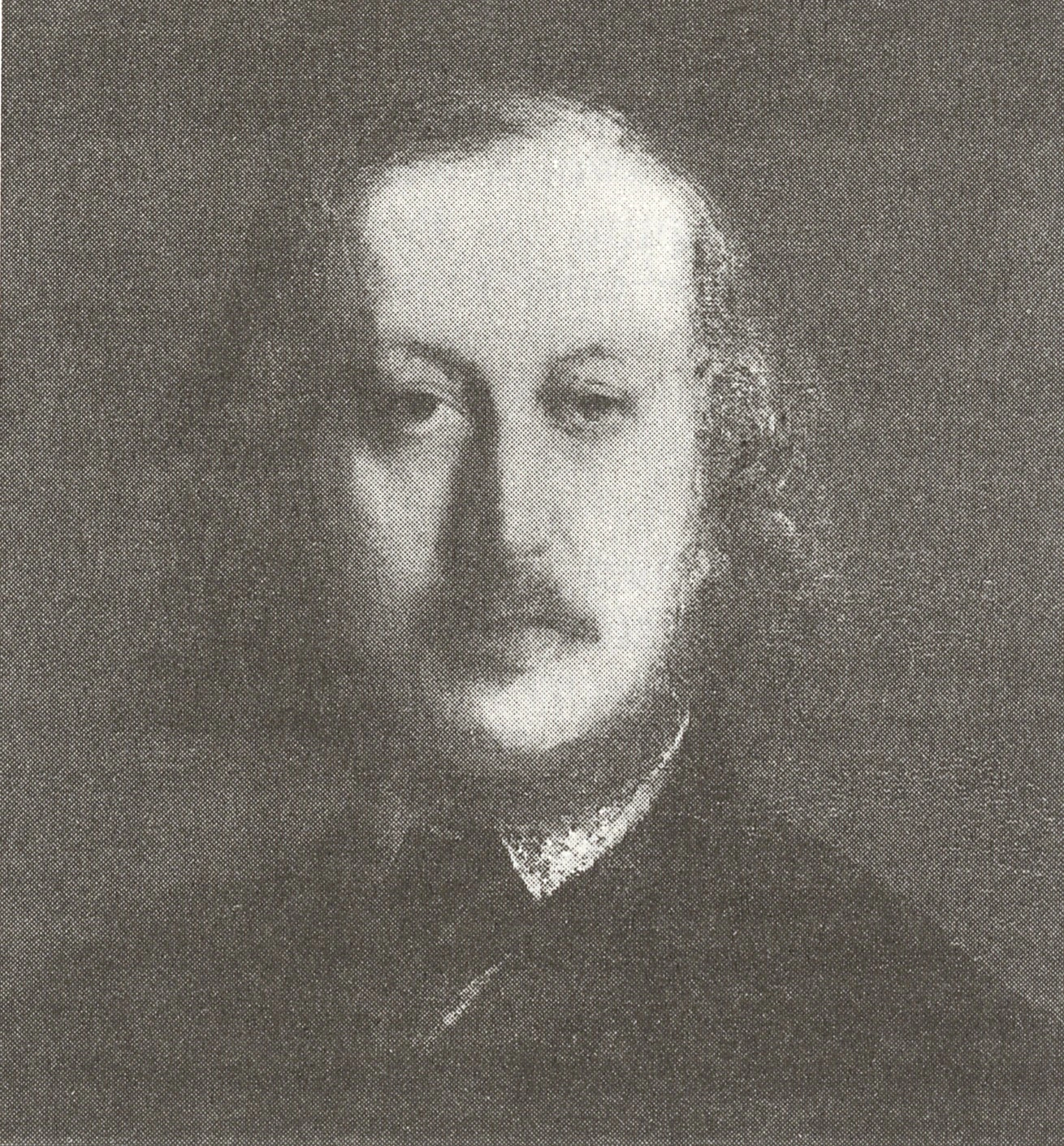
Heller Stephen, István, *15 May 1813 Pest, †14 January 1888 Paris, French pianist and composer of Hungarian origin. He studied piano under F. Bräuer in Pest, and subsequently under A. Halm in Vienna. He began giving concerts in 1826, gaining a reputation as an outstanding virtuoso. In 1828, he travelled with his father on concert tours of Hungary, Austria, Poland (in 1828–29 he performed in Kraków and Warsaw alongside N. Paganini) and Germany. Following performances in Leipzig, Hamburg and Kassel, among other places, in 1830 he ceased his concert activities – due to severe physical exhaustion – and settled in Augsburg (until 1838), where he began studying composition. Heller’s works were enthusiastically received by R. Schumann (numerous reviews in the “Neue Zeitschrift für Musik” in 1836 and 1853). Heller himself, as a correspondent for the “Neue Zeitschrift für Musik”, wrote the so-called Davidsbündlerbriefe on musical life in Augsburg (1836, 1837); after moving to Paris in 1838, he continued this series as Briefe aus Paris (1839, 1840, 1843); he also contributed to the “Revue et Gazette Musicale”. His renewed career as a pianist brought him fame and renown; in 1849 and 1862 he gave concerts in England. He was also a sought-after piano teacher. Heller remained in Paris for the rest of his life; despite general acclaim, the patronage of Chopin and Liszt, and a warm relationship with Berlioz, he lived modestly and in solitude. In 1883, he began to lose his sight. He was buried in the Père-Lachaise cemetery. Autographs of Heller’s works are held mainly at the Bibliothèque Nationale, whilst Schumann’s letters (the so-called “Correspondenz”), including those to Heller at the Jagiellonian Library.
Heller, now largely forgotten, was in the mid-19th century, alongside Chopin and Schumann, a figure widely known in Paris, Germany and England. As a pianist, he enjoyed great success until 1867 in almost all the artistic centres of Europe at that time. He was also a respected music critic and a recognised composer, writing almost exclusively for solo piano; almost all his works were published during his lifetime and performed by numerous virtuosos of the time, with Liszt among the foremost. Heller was also met with an enthusiastic reception in the music literature of the time; numerous articles about him appeared in journals, and H. Barbedette devoted a monograph to him (1876), whilst A. Marmontel wrote an extensive treatise (1887). Heller was a typical representative of the Romantic period in music; in his work, this was expressed through a conscious adoption of literary and musical themes, inspiration drawn from other fields of art (mainly poetry and painting), in the creation and evocation of mood through programmatic titles of so-called “characteristic pieces”, which were most often cyclic forms (with titles also given to individual parts of the cycle), e.g. Traumbilder Op. 79 – 6 pieces, Feuillets d’album Op. 157 – 3 pieces; this type of composition includes the 3 suites Opp. 78, 80 and 89, as well as the 3 suites under the collective title Im Walde Opp. 86, 128 and 136, and Nuits blanches (18 pieces). These short, concise pieces, grouped into cycles, best illustrate the evolution of Heller’s compositional style and technique in terms of rhythmic and harmonic solutions, texture, melody and expression. Influenced by German Romanticism, he treated music as a means of expressing feelings and shifting moods, as well as an attempt to escape reality. The spiritual kinship between Heller and Schumann was acknowledged by the latter, who immortalized Heller’s figure under the pseudonym “Jeanquirita” in his piano suite Davidsbündlertänze, Op. 6 (1837). Although they never met in person, they maintained a lively correspondence, of which Schumann said: “it was the most engaging of all those I maintained” [indirect translation from Polish]. This correspondence reveals that Heller had been captivated by Chopin’s music since his youth; during his stay in Warsaw, he marvelled at the young man’s outstanding talent. He particularly valued the Polish composer’s études, a sentiment he expressed in an article for the “Revue” (24 February 1839) and by composing a cycle of 21 technical studies, serving as a kind of preparatory exercise for his works (Op. 154); Heller commemorated Chopin’s death with a fantasia on themes from the Preludes in E minor and B minor.
During his lifetime, Heller became renowned as the composer of several collections of concert études and so-called technical studies, valued for their educational merit (particularly Op. 16, 45, 46, 47 and 125). His numerous fantasies, caprices and variations on external themes (particularly from operas) display a sketchy, improvisational character. He also composed rondos, nocturnes and dance-inspired pieces in the brillante style.
Literature: H. Barbedette Stephen Heller, Paryż 1876, English translation Stephen Heller. His Life and Works, London 1877, Detroit 1974; A. Marmontel Les pianistes célèbres, Tours 1887; F.G. Jansen Robert Schumann und Stephen Heller, “Neue Musikzeitung” XV, 1894; G. Servières Portrait de Stephen Heller d’après un tableau du Louvre, “Revue de la Société Internationale de Musique” V, 1909; R. Schütz Stephen Heller. Ein Künstlerleben, Leipzig 1911; L. Bronarski Stephen Heller i Chopin, “Ruch Muzyczny” 1960 no. 20; L. Bronarski Chopin et Stephen Heller, “Schweizerische Musikzeitung und Sängerblatt” 1973; J.-J. Eigeldinger Stephen Heller. Lettres d’un musicien romantique à Paris, Paris 1981; U. Müller-Kersten Stephen Heller. Ein Klaviermeister der Romantik. Biographische und stilkritische Studien, Frankfurt am Main 1986 (contains a complete, revised catalogue of Heller’s works).
Compositions:
for piano (total of 158 opuses):
Variations Op. 1 on a theme by Paganini for piano, Leipzig 1829
Variations Op. 4 on a waltz by Hubowski for piano, Leipzig 1833
Variations Op. 5 on a Polish song for piano, Pest 1833
Impromptu Op. 7 for piano, Leipzig 1837
Scherzo Op. 8 for piano, Leipzig 1834
Sonata d-moll Op. 9 for piano, Leipzig 1839
Scherzo Op. 24 for piano, Vienna 1844
Caprice Op. 27 for piano, Paris 1842
Caprice Op. 28 for piano, Paris 1843
Scherzo Op. 57 for piano, Paris 1846
Caprice Op. 63 for piano, Leipzig 1849
Sonata in B minor Op. 65 for piano, Paris 1849
Variations Op. 75 on opera La dame pique by Halèvy for piano, Leipzig 1851
24 preludes Op. 81 for piano, Leipzig 1853
Impromptu Op. 84 for piano, Berlin 1854
Sonata in C major Op. 88 for piano, Leipzig 1856
Nocturn Op. 91 for piano, Leipzig 1859
Nocturn Op. 103 for piano, Paris 1862
Scherzo Op. 108 for piano, Paris 1863
Caprices Op. 112 i 113 for piano, Mainz 1865
3 ballades Op. 115 for piano, Mainz 1866
3 preludes Op. 117 for piano, Mainz 1867
32 preludes Op. 119 for piano, Leipzig 1867
Impromptu Op. 129 for piano, Leipzig 1871
33 variations Op. 130 on a theme of Beethoven for piano, Leipzig 1872
Nocturn Op. 131 for piano, Leipzig 1872
21 variations Op. 133 for piano on the Andante from Beethoven’s Sonata Op. 57, Berlin 1873
4 Barkarolen Op. 141, Leipzig 1876
Variations Op. 142 for piano on Warum from Fantasiestücke Op. 12 No. 3 by Schumann
Sonata B-flat minor Op. 143 for piano, Leipzig 1878
Sonatinas Op. 146 and 147 for piano, Leipzig 1878
Sonatina Op. 149 for piano, Leipzig 1880
20 preludes Op. 150 for piano, Leipzig 1879
Caprice Op. 156 for piano, Paris 1879
numerous fantasies, canzonettas, eclogues, arabesques and other pieces for piano
stylized dance forms:
Tarantella Op. 53 for piano, Berlin 1846
Tarantella Op. 61 for piano, Berlin 1848
Tarantellas Op. 85 and 87 for piano, Leipzig 1855
Polonaise Op. 104 for piano, Leipzig 1862
2 Polonaises Op. 132 for piano, Berlin 1872
Tarantella Op. 137 for piano, Leipzig 1873
4 Mazurs Op. 148 for piano, Leipzig 1879
Mazurkas Op. 158 for piano, Leipzig 1885
waltzes, Ländlers for piano
characteristic works:
Scènes pastorales Op. 50 for piano, Paris 1845
Rêveries d’un promeneur solitaire Op. 58 for piano, Paris 1848, and Op. 101, Paris 1862
Aux mânes de Frédéric Chopin. Elégie et marche funèbre Op. 71 for piano, Leipzig 1850
Spaziergänge eines Einsamen Op. 78, piano suite, Leipzig 1851
Traumbilder Op. 79 for piano, Berlin 1852
Wanderstunden Op. 80, piano suite, Offenbach 1853
Nuits blanches Op. 82 for piano, Paris 1853, also titled Blumen-, Frucht- und Dornenstücke, Berlin 1854
Im Walde Op. 86, piano suite, Leipzig 1855
Promenade d’un solitaire Op. 89, piano suite, Paris 1857
3 romances sans paroles Op. 105 for piano, Paris 1862
Feuilles d’automne Op. 109 for piano, Paris 1863
Lieder Op. 120 for piano, Leipzig 1868
Kinderszenen Op. 124 for piano, Leipzig 1885
Im Walde Op. 128, piano suite, Leipzig 1871
Im Walde Op. 136, piano suite, Paris 1873
Notenbuch jur Klein und Gross Op. 138 for piano, Berlin 1874
Voyage autour de ma chambre Op. 140 for piano, Leipzig 1876
Aufzeichnungen eines Einsamen Op. 153 for piano, Leipzig 1883
Feuillets d’album Op. 157 for piano, Paris 1884
educational works, technical study series, including:
L’art de phraser Op. 16 for piano, Berlin 1840
La chasse Op. 29, concert étude for piano, Berlin 1842
Etudes mélodiques pour servir d’introduction aux études Op. 16, Op. 45 for piano, Berlin 1844
Etudes progressives Op. 46 for piano, Berlin 1845
Etudes pour former au sentiment du rythme et à l’expression Op. 47 for piano, Berlin 1849
Nouvelles études Op. 90 for piano, Berlin 1859
Grande étude de concert Op. 96 for piano, Leipzig 1861
24 nouvelles études d’expression et de rythme dédiées à la jeunesse Op. 125 for piano, Paris 1869
Etudes sur “Freischütz” de Weber Op. 127 for piano, Leipzig 1871
21 technische Studien als Vorbereitung zu Werken von F. Chopin Op. 154 for piano, Leipzig 1884
the composition of songs and arrangements based on themes from operas by other contemporary composers
Writings:
numerous articles, reviews and music criticism in: “Neue Zeitschrift für Musik” 1836, 1837, 1839, 1840, 1843, “Revue et Gazette Musicale” 1839, 1840, 1844, 1879, “Echo” 1855, “Signale” 1859, 1879
Mémoires inédites, compiled by G. Servières, “Revue de la Société Internationale de Musique” VI, 1910