
Fuga na kwartet smyczkowy [partytura]

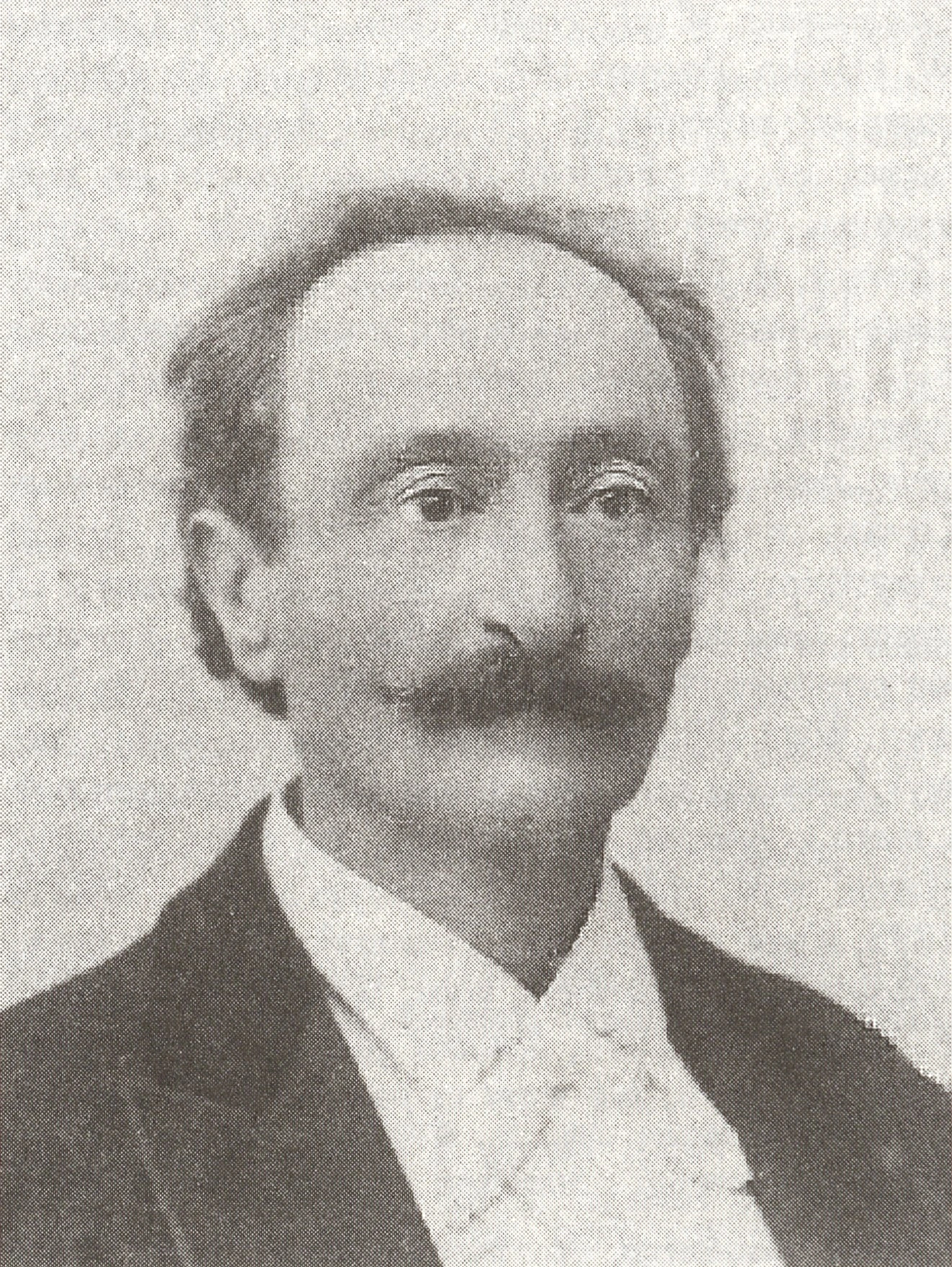
Hertz Michał, *28 September 1844 Warsaw, †8 January 1918 Warsaw, Polish composer, conductor, pianist and teacher. Initially, he trained to become a merchant, completed a banking apprenticeship in Wrocław, and then worked at the Bank Polski in Warsaw; however, he soon gave up this job. He began his musical studies at the Music Institute in Warsaw, where he studied piano with F. Dulcken and also took composition lessons with A. Münchheimer. He then continued his piano studies in Wrocław with K. Mächtig, and from 1865 in Leipzig with I. Moscheles, C. Reinecke, E.F. Wenzel and L. Plaidy. He was also a pupil of H. Richter (conducting) and H. von Bülow (conducting and piano). After returning to Warsaw in 1869, and also earlier during breaks in his studies (1868), Hertz performed there as a pianist, though he was not highly regarded by the critics. Between 1870 and 1872, he was the conductor of the Polish Theatre in Poznań, whilst also leading the choir at the agricultural school in Zabikowo near Poznań. In September 1872, he became a piano teacher at the Stern Conservatory in Berlin, whilst continuing his musical studies under the guidance of F. Kiel and Th. Kullak. In 1878, Hertz settled in Warsaw and taught piano at the Music Institute and at the Instytut Aleksandryjsko-Maryjski Wychowania Panien, and from 1883 also at the Warsaw Musical Society (WTM) music school. From 1880, he served as deputy director of the Warsaw Musical Society for over 20 years. He also frequently performed as a conductor and pianist at symphonic and chamber concerts organised by the society. Between 1895–98 and 1899–1900, he was the conductor of the WTM orchestra section, and from 1890 also the accompanist and coach for soloists at the Warsaw Opera. He received several awards at competitions for a cappella choral works organised by the “Lutnia” Singing Society (1888 – 1st prize for the piece Straż nad Wartą; in the second competition that same year, two 1st prizes for Wędrowny lirnik and Rolnik podolski). Hertz also wrote music reviews for the Warsaw magazines “Kłosy” and “Kurier Poranny”.
Hertz’s works, particularly his songs, symphonic pieces and certain stage works (such as Szklana góra), were performed quite frequently during the composer’s lifetime. The melodeclamation Dzwony, based on motifs from the Funeral March from Chopin’s Sonata Op. 35, gained particular popularity, whereas Hertz’s operas did not win the approval of his contemporaries. Hertz’s songs are relatively simple, intended for solo performance at home or by amateur choirs. They are predominantly structured in stanzas, with harmony based on basic functions. The fairly numerous chromatic notes generally appear as passing tones. In the solo songs, the accompaniment serves as a harmonic and melodic support for the vocal part. Some songs show the influence of the operatic style, evident in the use of recitative (Paweł i Gaweł). Polish dance rhythms often appear in the songs (e.g. Pieśni nasze – polonaise), and the themes revolve around Polish affairs (historical themes, allusions to the partitions, e.g. Rolnik podolski).
Like other Polish composers of the period, Hertz employed techniques characteristic of the music of the first half of the 19th century, although Kleczyński detected in them – presumably due to the relatively frequent use of chromaticism – clear influences from Wagner. Hertz’s stage works, in keeping with tradition, are divided into acts, scenes and numbers. The orchestral instrumentation is typically classical, with a marked predominance of the string quintet. Among his piano works, alongside simple pieces clearly intended for students or amateurs (sonatinas, Une marche villageoise), there are concert pieces (Gavotte in C major, Concert Waltz in A-flat major, Romanzetta). Hertz also produced piano transcriptions of works by other composers, as well as arrangements for choir. Thanks to his wide-ranging activities, he was one of the most important figures in Warsaw’s musical life at the end of the 19th century.
a considerable part of Hertz’ works have remained unpublished, most of the preserved autographs are held at the Warsaw Musical Society Library
Instrumental:
Marsz uroczysty in C major for orchestra, ca. 1879
Gavotte in C major Op. 40 for piano, published in Warsaw 1887
Polacca in D major for piano, published in Warsaw 1887
Barcarolle for piano, published in Warsaw 1887
Scherzo in C minor for piano, published in Warsaw 1887
Concert Waltz No. 1 for piano, published in Warsaw 1889
Concert Waltz No. 2 in A-flat major for piano, published in Warsaw 1889
March in A major for orchestra, prior to 1900
Wielki polonez jubileuszowy in A major for orchestra, prior to 1900
Une marche villageoise for piano, published in Warsaw after 1910
Sonatina No. 1 in C major for piano, published in Warsaw after 1910
Sonatina No. 2 in D major for piano, published in Warsaw after 1910
Romanzetta for piano, published in Warsaw after 1910
Thème con variazioni et Finale for string quartet
Vocal and vocal-instrumental:
104 songs Opp. 2–18 and 33–37 for solo voice with piano accompaniment, inclding Zdrowaś Mario, text by B. Gwozdecki, published in Leipzig after 1860
Ave Maria Op. 13, ca. 1861; 2nd edition 1895, published in Poznań n.d.
Był sobie król stary, Głos z przeszłości, z zapomnienia, 2 songs Op. 17, text by H. Heine, Polish translation by W. Ordon and W. Hłasko, published in Poznań 1871
Przyjechał Jasio wyszukać żony, text by W. Syrokomla, 1881
9 songs for a cappella choir, including Straż nad Wartą, text by W. Bełza, ca. 1888, published in a version for solo voice with piano accompaniment, Kraków 1905; Wędrowny lirnik, text by M. Radziszewski, ca. 1888, published in “Echo Muzyczne, Teatralne i Artystyczne” 1888; Rolnik podolski, text by M. Romanowski, ca. 1888, published in “Echo Muzyczne, Teatralne i Artystyczne” 1888; Wiatr, ca. 1888
Pieśni nasze for male choir (solo voice with piano accompaniment), text by Alkar (Aleksander Kraushar), ca. 1890
Cześć Wandzie, hymn for 3 voices with orchestral accompaniment
Gołąbka Op. 33